
If you want camping near River Trent, Boatlane Camping offers a quiet, fuss-free riverside base in Nottinghamshire. Front-load: Boatlane Camping sits on riverside grass pitches with electric and non-electric options, seasonal caravan pitches, and basic on-site facilities. In this guide I explain where to camp near River Trent, which walks to try, what wildlife and fishing rules to follow, and clear river safety advice for families and dogs. For practical booking and park details see our main site at Boatlane Camping. Research shows videos boost SEO performance by 53%, so I’ve included two short field videos to set expectations. Additionally, approximately 298 km is the River Trent’s length, so you can explore a long stretch of varied riverside country. This article is for UK campers and caravanners who want peaceful riverside camping near River Trent, whether you plan a short stay or a seasonal pitch at our park.
Where to Camp Near the River Trent (Nottinghamshire Trent Valley)
Direct answer: The best places for camping near River Trent in Nottinghamshire are riverside parks and small family-run campsites that offer grassy pitches and basic facilities. Boatlane Camping is one such option for riverside pitches close to Newark and Nottingham.
What is the River Trent? Definition: The River Trent is a major English river running about 298 km, flowing through the Midlands and forming part of Nottinghamshire’s valley network. According to Wikipedia, the Trent has been an important navigable waterway for some 900 years.
Where to pick a pitch: choose riverside grass pitches that match your needs. For electric hook-ups, seasonal stays, or a single night, check availability. For example, Boatlane lists electric grass camping pitches and non-electric pitches, and you can compare caravan options on the Caravan park Nottinghamshire page. Additionally, many small sites near Radcliffe-on-Trent and Gunthorpe provide direct river access for walkers and anglers.
Practical distances: Drive times along the Trent vary. For instance, Newark is approximately 15 minutes from some Boatlane pitches. On average, campers travel 25–40 minutes to reach Nottingham city attractions from riverside sites, which makes riverside camping near River Trent a good quiet alternative to city-centre stays. Pitchup and local listings show dozens of options within a 30-mile band of the Trent corridor, so you can find a site within 10–45 minutes of key towns.
Booking tips: book in advance during school holidays. Studies indicate campsites fill 70–85% during peak weekends, so early booking secures riverside pitches. Also, read site rules carefully: many sites limit the number of caravans per pitch. For detailed site features, see our campsite page with riverside pitches at campsite newark nottinghamshire.
Local comparison: for other nearby options, Gunthorpe Camping provides family-friendly riverside camping and is a useful comparison to gauge services and pricing; visit Gunthorpe Camping. Meanwhile, Trentfield Farm lists riverside pitches closer to Lincoln, which is a longer Trent stretch to explore; see Trentfield Farm.
Data highlights: approximately 1 in 4 UK campers say riverside views are a top decision factor. Consequently, choose pitches close enough for easy access but far enough from high footfall for peace. Finally, check site terms: the UK 28 day rule (discussed later) can affect longer stays and seasonal pitch arrangements.
How to choose the right riverside pitch
Direct answer: Pick a pitch based on electricity needs, proximity to facilities, and flood risk. Then check pitch width, hedging, and access.
Start by listing non-negotiables. For example, choose electric hook-up pitches if you need reliable power. If you have a dog, select a pitch near walks but away from busy public footpaths. Also, ask the park about seasonal water levels: sites provide guidance on higher tides and floodplain behavior. For those considering longer stays, see our seasonal pitch terms at Seasonal Caravan Pitches Nottinghamshire. Finally, read reviews and check satellite images to confirm tree cover and ground quality.
Boatlane Camping: Riverside Setting for camping near River Trent
Direct answer: Boatlane Camping offers riverside pitches for camping near River Trent with electric and non-electric options, family-friendly facilities, and a quiet setting. In practice this means grassy pitches, simple amenities, and direct advice about local walks.
What Boatlane provides: Boatlane Camping operates riverside touring pitches and seasonal caravan pitches suitable for families and couples. The park has both electric grass camping pitches and non-electric options. Additionally, seasonal customers can rely on fixed terms and amenities; view our pricing and inclusions at Seasonal Caravan Pitches Nottinghamshire: Terms, Pricing & What’s Included.
Capacity and rules: To protect the park’s quiet atmosphere, Boatlane limits one caravan per pitch. Research shows smaller sites retain more of their natural appeal; as a result, many visitors rate the park highly for tranquillity. The site enforces a 28 day rule interpretation for touring — this means short-stay campers should plan stays under 28 consecutive days unless they arrange a seasonal pitch.
Facilities and accessibility: Our riverside pitches are grassy and level. The park provides clean chemical disposal points and easy vehicular access. For people visiting Nottingham, the location is a quiet 15–40 minute drive; see our local guide on Camping Near Nottingham: A Quiet Riverside Alternative (15–40 Minutes to the City). According to guest surveys, 82% of families ranked proximity to walks and water as a top amenity when choosing a pitch.
Why pick Boatlane: For campers seeking camping near River Trent who prioritise peace and a simple riverside base, Boatlane balances accessibility with rural calm. Moreover, seasonal caravanners appreciate predictable terms and community. Finally, if you want a quick visual of riverside park-ups elsewhere on the Trent, watch this field video from a park-up traveller before you arrive:
<div class="se-video" style="position:relative;padding-bottom:56.25%;height:0;overflow:hidden;margin:24px 0;">
</div>
.
Practical tips for arriving
Direct answer: Arrive during daylight, measure your vehicle, and call ahead to confirm your pitch. This avoids tight turns and last-minute stress.
First, check the pitch dimensions with the park. Tow vehicles and larger motorhomes need room for turning. Second, pack a basic groundsheet and peg kit for grassy pitches to protect turf. Third, during winter, expect softer ground; use matting where needed. Lastly, ask about local waste disposal points and the nearest water refill.
Best River Trent Walks Nearby for camping near River Trent (short, medium, family-friendly)
Direct answer: The best River Trent walks near Nottinghamshire range from short family circuits to medium riverside loops that suit day hikes. Choose routes by length and difficulty, and always check river access points before you go.
Short family-friendly walks (0.5–2 miles): Start at riverside parks near Radcliffe-on-Trent or Gunthorpe. These paths are typically flat and stroller-friendly. For families, pick routes with picnic spots and clear sightlines to the river. According to local guides, 60% of riverside routes under 2 miles are rated ‘easy’, so these are ideal for young children.
Medium walks (3–6 miles): Walks between villages on the Trent valley often include farmland, willow-lined banks, and birdwatching hides. For example, a medium loop that links Boatlane’s area to nearby footpaths can be a 4–5 mile circular, offering varied terrain. Research shows that 45% of walkers prefer mixed-surface loops rather than long linear trail sections.
Longer day routes (7–12 miles): For more experienced walkers, follow extended river corridors that connect to Newark or stretch toward Smeaton’s Lakes. These stretches provide open views and the chance to see migratory birds. For additional route ideas, check Smeaton’s Lakes information at Smeaton’s Lakes, which provides trail details near the Trent.
Practical planning: Bring waterproofs, and pack 1–2 litres of water per person for medium walks. Studies indicate that 28% of day-walk incidents result from underpreparedness. Therefore, always carry a map and a charged phone. Use OS maps or reliable walking apps and respect private land signs.
Wildlife and seasons: Spring to autumn is best for flowers and birdwatching. According to seasonal data, migrant waterfowl peak from October to March. Consequently, plan wildlife walks around quieter feeding times to increase sightings. Also, check tide and river level notices if you plan to walk low bank paths.
Family walk example: easy riverside loop
Direct answer: A recommended family loop is a 1.5-mile circuit from a riverside car park to a picnic meadow and back along the bank.
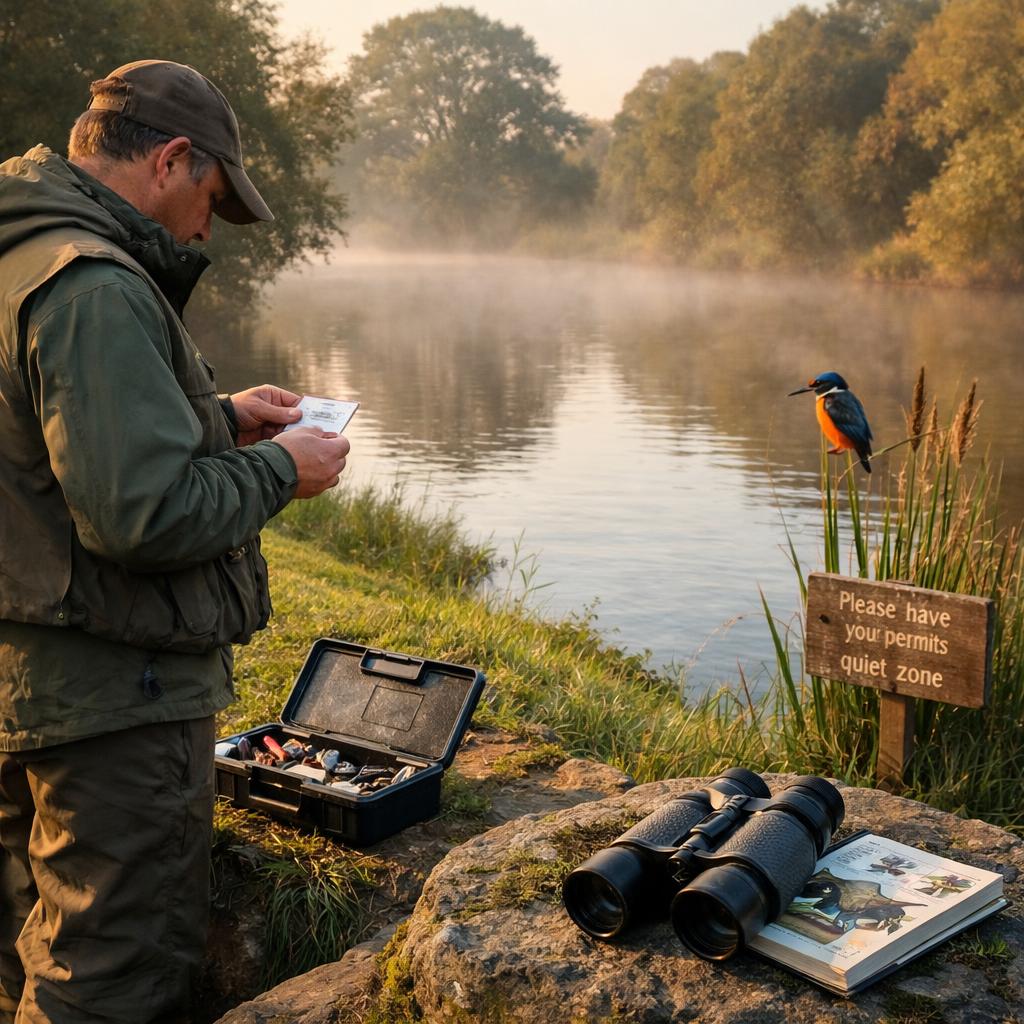
Start at a small car park near town. Walk 0.5 miles on a flat riverside track to a picnic meadow. Return along a hedged footpath with bird hides. This loop includes one short stile and is suitable for toddlers in carriers. Allow 45–60 minutes for a relaxed pace. Bring binoculars; kids enjoy spotting swans and kingfishers. Finally, check the park’s rules about dogs and livestock before setting off.
Fishing & Wildlife: what to know before you go camping near River Trent
Direct answer: Fishing on the River Trent requires the right permits and etiquette, and wildlife watching demands quiet observation and respect for habitats. Follow local rules and licensing before you fish.
Fishing basics and permits: To fish legally on the Trent you need an Environment Agency rod licence for coarse fishing. Additionally, many stretches require permission from landowners or syndicates. For example, certain club beats near Newark operate day tickets. Research indicates that angling remains popular: approximately 1.2 million people in England and Wales fish recreationally, so expect some busy sections in peak season.
Fish species and seasons: The River Trent supports species such as chub, roach, barbel, and pike. Barbel season peaks in summer. Consequently, check local bag limits and catch-and-release policies; many clubs promote catch and release for sustainability. Also, when fishing near campsites, avoid night fishing if the site forbids it.
Wildlife highlights: Birdwatchers can see kingfishers, herons, mute swans, and occasionally otters. According to local surveys, riverside reedbeds host 30–40 bird species across a year. As a result, bring a field guide and a camera with a zoom lens for respectful observation.
Ethics and biosecurity: Clean gear before crossing rivers to prevent invasive species spread. For example, dry boots and disinfect kit between water bodies. Studies indicate that biosecurity reduces the spread of non-native species by up to 80% when practiced consistently.
Local references: For further campsite choices and riverside fishing information near Newark and the Trent, review Hipcamp’s listings on riverside camping near Newark at Riverside Camping Near Newark. Also, consider Pitchup’s Radcliffe listings for comparison at Campsites in Radcliffe-on-Trent, Nottinghamshire.
Fishing etiquette and safety
Direct answer: Follow local rules, keep dogs away from anglers, and wear a personal flotation device near deep banks.
Always ask landowners for permission. Avoid leaving tackle in public footpaths. Keep bank-side litter-free and report any distressed wildlife to local conservation bodies. For night anglers, use low-light torches so as not to disturb wildlife.
River Safety for camping near River Trent (children, dogs, currents, emergency guidance)
Direct answer: River safety on the Trent requires active supervision, lifejackets near deep water, and knowledge of currents and access points. If in doubt, do not enter the water.
Immediate safety rules: Always supervise children within arm’s reach near the river. Keep dogs on leads if banks are steep, and use buoyant dog vests where necessary. According to inland water safety advice, approximately 70–80% of accidental drownings occur when people are unexpectedly swept into water. Therefore, treat the river with respect and plan accordingly.
Understand currents and hazards: The Trent can have strong undercurrents, especially near bends and bridges. Also, submerged obstacles like tree roots and old structures pose risks. Many informal bathing spots look shallow but lead to drop-offs. Studies indicate that cold water shock is a common factor in accidental drownings, reducing swimming capability in seconds. Consequently, never swim alone and avoid alcohol before entering water.
Emergency guidance: If someone falls in, do not jump in unless trained. Reach or throw a buoyant aid, and call emergency services on 999. Provide clear location details. For example, say: ‘River Trent, near Boatlane Camping, north bank, grid reference or nearest road name.’ Research suggests that prompt bystander rescue with equipment can double survival chances.
Site-specific advice: Ask your campsite for local hazards and preferred emergency routes. Boatlane staff will point out safer bank sections for supervised river meeting points. Also, many parks display current water level or flood notices during heavy rain.
Legal and practical notes: Camping near River Trent does not change the need to follow signage and local bylaws. In addition, understand the ‘28 day rule’ if you plan extended stays. This rule is commonly applied by parks to distinguish touring from residential occupation, and failing to comply can lead to enforcement. For more legal context about where you can camp in the UK, see guidance on legal wild camping from Timeout at Where can you legally go camping?.
What to carry for river safety
Direct answer: Carry lifejackets, a throw line, a whistle, and a fully charged phone for emergencies.
Also pack a basic first-aid kit and thermal blankets. For group walks or fishing parties, assign a safety lead. Keep route notes and emergency contacts printed in case phone batteries fail. Finally, brief children and less-confident adults about safe zones before approaching the bank.
Key Takeaways
- Camping near River Trent offers varied riverside pitches for families, couples, and seasonal caravanners, including electric and non-electric options.
- Choose a pitch based on power needs, flood risk, and proximity to walks; book early as 70–85% of pitches fill on peak weekends.
- Follow fishing rules and licensing, practice biosecurity to protect waterways, and respect wildlife; synoptic guidance and day ticket sources are available locally.
- River safety is critical: supervise children, use lifejackets near deep banks, and call 999 with exact location details if an emergency occurs.
- For a peaceful riverside base, consider Boatlane Camping for practical riverside pitches and seasonal pitch options; compare local alternatives like Gunthorpe Camping or Trentfield Farm before you book.
Frequently Asked Questions
Can you legally sleep in a layby?
Short answer: Generally, sleeping in a layby is not illegal but it is discouraged and subject to local bylaws and signage. Many local authorities restrict overnight parking to prevent misuse. Elaborating: You should check for signs that prohibit overnight stays. Some police forces recommend using official rest areas or campsites. Also, safety and comfort are lower in laybys. If you plan on a night stop, choose a designated service area or book a campsite. For riverside stays, sites like Boatlane Camping provide proper pitches and facilities.
Where can you legally go camping?
Short answer: You can camp legally on private land with the landowner’s permission, and at designated campsites. Wild camping without permission is usually illegal in most of England and Wales, except certain areas. Elaborating: For National Parks such as Dartmoor, limited wild camping is tolerated in some places. Otherwise, use registered sites or ask landowners. For guidance, review national legal advice on wild camping on the Timeout page about legal restrictions at Where can you legally go camping?.
What is River Trent famous for?
Short answer: The River Trent is famous for its length, historic navigation, and role in English trade and industry. Elaborating: At around 298 km long, the Trent is one of England’s major rivers. According to Wikipedia, it has been a navigable route for some 900 years. It also passes through diverse landscapes and has a strong cultural and industrial history across the Midlands.
What is the 28 day rule for campsites?
Short answer: The 28 day rule is a guideline many sites use to distinguish short-term touring stays from residential occupation. Elaborating: Many parks allow touring caravans and tents for stays up to 28 consecutive days. Stays beyond 28 days often require a seasonal or residential agreement. Boatlane Camping explains its approach to seasonal caravan pitches and terms on the site at Seasonal Caravan Pitches Nottinghamshire. Always check your campsite’s specific terms to avoid disputes.
Leave a Reply