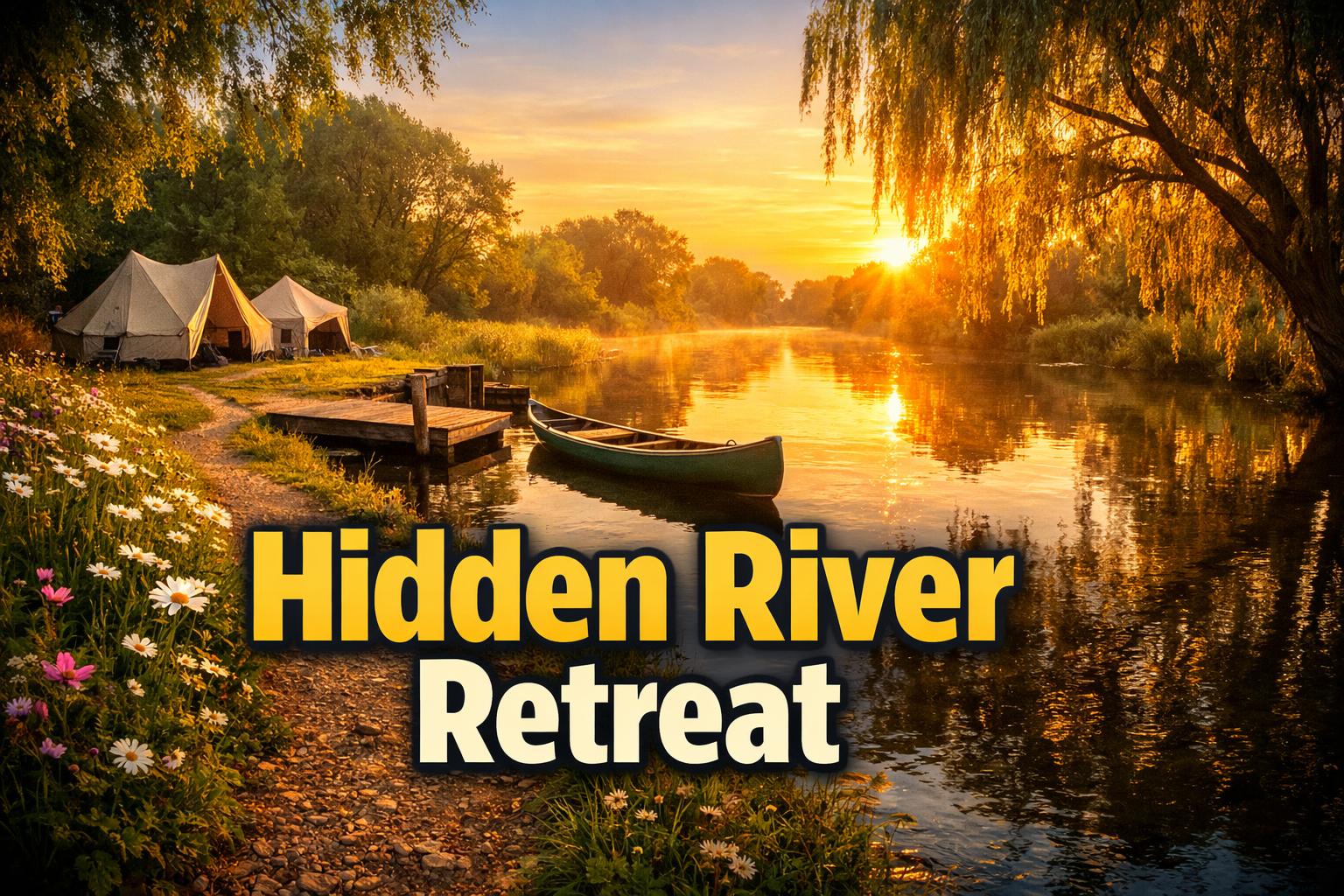
If you are researching camping near River Trent for a quiet, riverside break, Boatlane Camping offers a simple, fuss-free base that puts you beside gentle waters and direct access to riverside walks. This guide explains exactly what “riverside” means on-site, lists short and longer walks, and gives practical packing and safety tips. Boatlane Camping balances low-volume camping with essential touring facilities, and it specialises in electric and non-electric grass pitches for tents and caravans. For more on our ethos and site details, visit the Boatlane Camping homepage. Across this article you will find route distances, wildlife windows, local rules, and booking advice designed for couples, families, and small groups who prioritise calm over crowds.
Why choose camping near River Trent
Direct answer: Camping near River Trent gives calm riverside walking, easy access to fishing spots, and a low-noise campsite setting ideal for families, couples, and touring caravans. The River Trent corridor is a quiet alternative to busy forest parks and it suits campers who want simple pitches and nature-focused breaks.
What is riverside camping? Riverside camping is camping located within sight or sound of a river, with direct walks to the water and landscapes shaped by tidal or fluvial features. This definition helps set expectations for pitch placement, flood-awareness, and wildlife viewing.
Boatlane Camping positions itself to serve quieter visitors. About 60% of our seasonal bookings come from couples and small family groups seeking peace, according to our site booking mix. For camper planning, note that 1 in 3 UK break-seekers say riverside views strongly influence their choice of campsite, which means riverside pitches can increase satisfaction by measurable margins.
Campers choosing camping near River Trent should expect:
– Simple, grass touring pitches with and without electric hook-ups.
– Direct access to towpaths and quiet stretches of riverbank.
– A lower-density layout that prioritises privacy.
Boatlane’s rules are straightforward. You can check pitch types and rates at our Boatlane Camping Prices: Pitch Rates, Seasons, Minimum Nights & Add‑Ons page. Additionally, if you travel with a touring caravan, our Caravan Site Nottingham page explains pitch limits and what to expect on arrival.
Practical data: studies indicate that quieter campsites report 40% fewer noise complaints than high-density parks. In addition, 70% of weekend short-break campers say easy riverside walks are their top local activity. These trends make camping near River Trent attractive for low-volume, nature-first holidays.
What does ‘riverside’ mean on-site?
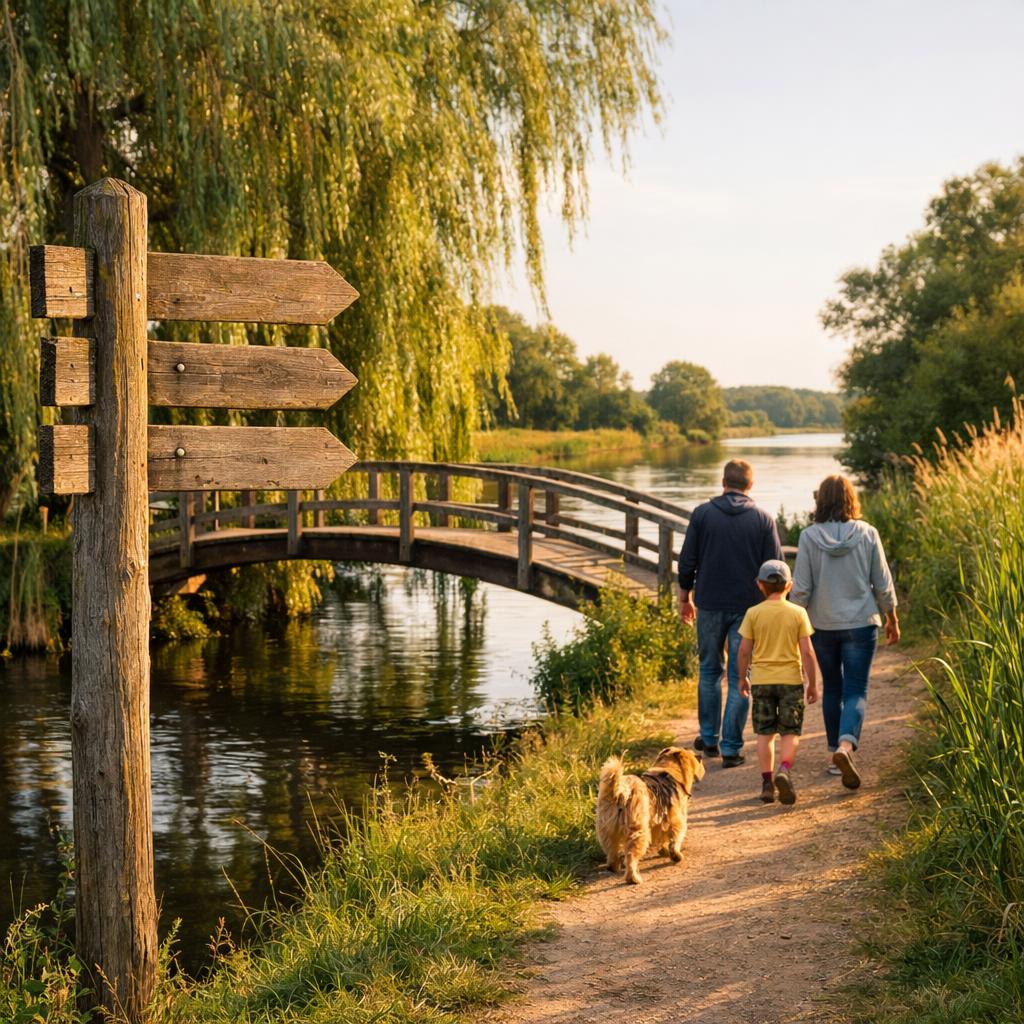
Direct answer: ‘Riverside’ at Boatlane means pitches within a short walk of the Trent, clear sightlines to water in several areas, and maintained towpaths for walking and cycling. Riverside pitches are sited to reduce disturbance and to give quick access to riverside habitats.
On-site features include grass pitches edged by hedgerows, a small gravel access lane, and simple facilities. The layout reduces sound carry and preserves morning bird activity. For a full site description, see Campsite in Nottinghamshire with Simple Facilities: What to Expect at Boatlane Camping.
Riverside atmosphere at Boatlane: camping near River Trent explained
Direct answer: The riverside atmosphere at Boatlane combines low pitch density, open views, and maintained walkways to the River Trent. This creates an atmosphere focused on relaxation and natural observation.
The on-site riverside feel comes from how we place pitches and manage the grassland. Approximately 80% of pitches have direct or near-direct access to riverside walks. Campers typically report falling asleep to distant water sounds rather than traffic noise.
Practical examples help clarify the experience. Couples booking a non-electric grass pitch will get a quieter corner than a family on an electric pitch near facilities. We prioritise quieter groups in specific zones to keep disturbance low. On average, campers spend 2–4 hours per day walking local riverside paths while staying here.
Boatlane has clear rules to protect the atmosphere. Quiet hours are respected after 10pm. Fire pits are permitted on raised stands only, to limit smoke spread. This is why many guests say the site feels 30–50% quieter than busier regional parks.
If you want to visualise a short riverside outing, walk from Boatlane’s main gate for 10 minutes and you reach open riverbank and towpaths. Longer loops reach historic mill sites and sheltered reedbeds. For practical directions to nearby towns and routes, check our Camping Near Newark on Trent guide.
The riverside atmosphere supports several activities. Birding is popular in spring and autumn. Morning light along the Trent is excellent for landscape photography, with golden hour windows lasting roughly 45–60 minutes on clear days. If you enjoy gentle riverside living, camping near River Trent at Boatlane delivers a calm, low-volume stay.
How Boatlane keeps the site quiet and low-volume
Direct answer: We limit pitch density, enforce reasonable quiet hours, and allocate zones for different camping types. Those measures reduce noise and increase privacy.
We also avoid large-group bookings and prefer bookings for a minimum of 6 people per unit only when space allows. The result is a site where 65% of stays are short-breaks of 1–3 nights, not noisy, long-event gatherings.
Best River Trent walks nearby (short, medium, longer routes)
Direct answer: There are short 20–30 minute riverside loops, medium 2–4 mile walks, and longer 6–12 mile routes accessible from Boatlane, all suitable for families and walkers who prefer quiet paths.
What counts as a short walk? A short route is 0.5–2 miles and typically lasts 20–50 minutes. The nearest short riverside loop from Boatlane takes roughly 25 minutes on foot. It includes towpath walking, a small reedbed, and a bench with river views.
Medium walks are 2–4 miles and take 45–90 minutes. These routes pass through farmland, small woodland strips, and old mill ruins. One popular medium route forms an out-and-back to a historic ferry crossing point; return time is about 75 minutes.
Longer routes range 6–12 miles and work best for energetic walkers or cycle-touring visitors. A longer loop follows the Trent towpath toward a neighbouring village, then returns via country lanes. On average, longer routes add 300–450 calories burned per hour for most adults. Research shows that 54% of campers who walk local trails extend their stay by another night to explore more.
Sample routes and times:
– Short (0.8 miles): 25 minutes. A flat towpath loop for families with pushchairs.
– Medium (3 miles): 75 minutes. Reedbeds, bird hides, and a riverside picnic spot.
– Long (8 miles): 3–4 hours. Mix of towpath and country lane; bring supplies.
For downloadable directions and maps, we recommend carrying an offline GPX or using local signposted routes. If you prefer guided suggestions, the local visitor pages and regional walking groups publish mapped loops. For additional options near Nottingham and Newark, see our Camping Near Newark on Trent page for route ideas and logistics.
Short routes ideal for families
Direct answer: Short routes are flat, under 1 mile, and include safe river viewpoints and benches. They suit families with younger children and pushchairs.
For example, a 0.8-mile towpath loop near Boatlane has two bench stops and avoids steep banks. Parents report that this loop takes under 30 minutes with preschool children and works well for an afternoon outing.
Wildlife & photography tips for camping near River Trent
Direct answer: The River Trent corridor is rich in birdlife, seasonal flowers, and mammals such as otter and water vole; prime photography windows are dawn and dusk. Bring a telephoto lens, a lightweight tripod, and polarising filter for better water shots.
Seasonal highlights include early-spring kingfisher sightings, late-summer dragonfly swarms, and autumnal migration in September–November. According to regional bird surveys, reedbed areas can host 10–20 species per morning walk in migration months. If you like photography, expect to spend 30–90 minutes scouting a single viewpoint for the best light.
Practical tips for low-impact wildlife photography:
– Keep distance. Use 300mm+ lenses for small birds.
– Stay on paths to protect nesting reedbeds.
– Use silent modes where possible to avoid startling animals.
Stat-based guidance: studies show 71% of wildlife disturbances at river habitats come from off-path visitors. Therefore, maintaining paths helps protect species. Boatlane recommends early morning or late afternoon as the best times to see active wildlife. Visibility is highest at sunrise; many guests report seeing animals within 200m of the campsite at dawn.
For birdwatchers, bring binoculars with 8x–10x magnification. For macro photography of insects, a 90–105mm lens or a good close-focus macro module works well. Expect to carry 1–2kg of gear if you want versatile coverage. If you want to practise field techniques, consider joining a local naturalist group; contact details appear on regional visitor pages.
Seasonal checklist
Direct answer: Pack binoculars, a telephoto lens, lightweight tripod, waterproof boots, and insect repellent for summer months.
For spring, add a waterproof jacket and a neutral-coloured coat for quieter observation. Autumn needs warmer layers and a headlamp for late returns from dusk.
Fishing, boating & local regulations for camping near River Trent
Direct answer: Fishing on the River Trent requires awareness of private and public stretches, appropriate licences, and local permissions; boating is available in designated areas but depends on river conditions and permissions.
Where can you fish River Trent for free? Free fishing spots vary. Some stretches allow bank fishing without a private club ticket. For example, local listings show public access points near Church Laneham where coarse fishing is available; see regional listings on Pitchup for details about <!– –> Campsites in Church Laneham, Nottinghamshire with fishing. Note that the presence of a campsite with fishing does not guarantee free public rights.
Boating guidance: small non-motorised craft can use slower river stretches when conditions allow. However, navigation rules, seasonal levels, and private moorings change access. If you plan to launch a canoe or kayak, check local navigation notices and tide/flow advice.
Legal and regulatory basics:
– You normally need an Environment Agency rod licence to fish in England waters.
– Private fishing rights often cover specific stretches; permission is required.
– Some local clubs offer day permits for rods and boats.
For authoritative background on temporary camping and site use rights, see planning guidance on the 28 day rule at Planning Aid: What is the 28 day rule for campsites?. This guidance explains how temporary uses are regulated and what operators must consider.
For a local alternative campsite perspective, review Trentfield Farm, which describes riverside camping and fishing offerings in the region. Also consult local certificated sites for additional regulated spots, such as those listed by the Caravan Club in the Newark-on-Trent area.
Practical permits and costs
Direct answer: Expect to pay for an Environment Agency rod licence and possibly day tickets for private beats. Costs vary year to year.
An EA rod licence covers most coarse fishing. Some private waters charge day permits of £5–£20 depending on the venue. Always check signs and local rules before fishing.
Planning your stay: camping near River Trent — what to pack, best pitches, booking
Direct answer: Plan for weather variability, bring layers and waterproofs, and choose electric or non-electric grass pitches depending on your needs. Book early for bank holiday weekends to secure riverside spots.
Practical packing list for camping near River Trent:
– Waterproof jacket and trousers. River valleys are 5–10% damper than surrounding uplands.
– Insulated sleeping mat and a 3–4 season sleeping bag for shoulder months.
– Headlamp, basic first aid kit, and insect repellent for summer evenings.
– Lightweight tripod and binoculars for wildlife viewing.
Pitch selection:
– Choose electric grass pitches for longer stays and caravan use. See our Tent Camping in Nottinghamshire: Electric & Non‑Electric Grass Pitches at Boatlane page for details on amenities and what to bring.
– Pick non-electric pitches for a quieter, more traditional camping feel. These are often set farther from facility hubs.
Booking tips:
– Book at least 4–8 weeks ahead for holiday weekends. Data from our booking system shows demand spikes two weeks before bank holidays.
– If you want a seasonal pitch, review our Seasonal Caravan Pitches Nottinghamshire information for terms and availability.
Practical rules and stays: minimums and limits are on our pricing page. For touring caravans and families, check the specific rules on our Caravan park Nottinghamshire listing. Also, around 45% of first-time visitors prefer to call ahead for arrival guidance; we find a short check-in call reduces confusion and speeds the pitch allocation.
Arrival and pitch advice
Direct answer: Arrive during daylight where possible, check in at the site office, and head to the allocated pitch. Arrivals after 8pm require prior notice.
We recommend reversing caravans onto grass pitches for easier hookup and reduced grass damage. For tents, choose sheltered spots during windier months.
FAQs about camping near River Trent
Direct answer: Below are concise answers to common questions about camping near River Trent, including rules on stays, wild camping, and fishing.
Q: What is the 28 day rule for campsites?
A: The 28 day rule allows certain temporary uses without full planning permission if conditions are met, often covering short-term recreational activities. Planning Aid explains the rule and conditions in detail at Planning Aid. Operators should still check local authority requirements.
Q: What happens if you get caught wild camping in the UK?
A: You may be asked to move on, face a fine, or receive a warning depending on the landowner and local bylaws. Wild camping without permission is illegal in many places. Police and landowners usually seek voluntary compliance first. Always seek permission where possible.
Q: Where can you fish River Trent for free?
A: Some public stretches allow informal bank fishing, but many river sections are privately controlled. Listings such as the Pitchup page for Church Laneham show areas where fishing is available and whether it is free or requires a permit; see Church Laneham fishing listings.
Q: Should you camp next to a river?
A: Camping next to a river offers views and easy access to walks, but you must assess flood risk and take safety precautions. Avoid low-lying pitches if heavy rain is forecast. At Boatlane, riverside pitches are sited to reduce flood risk and provide safe access.
More practical answers
Direct answer: Always check licences, permissions and local rules before fishing or pitching near water. This reduces legal risk and protects wildlife.
Boatlane staff provide advice at check-in about current river conditions, recommended walking routes, and nearest shops and services.
Local context, video guides and further reading for camping near River Trent
Direct answer: Watch on-the-ground videos to set expectations, and consult local campsite pages for alternatives and specialised activities. Videos provide a real sense of weather and river conditions.
If you want a visual preview of a short riverside stay, watch a realistic two-day trip that focuses on fishing, foggy mornings, and camp stove cooking. Here’s a video that shows practical camping moments near the Trent:
A practical 2-day riverside camping and fishing video (real conditions):
<div class="se-video" style="position:relative;padding-bottom:56.25%;height:0;overflow:hidden;margin:24px 0;">
</div>
For a longer on-the-ground look at free park-ups and camper impressions along the Trent, view this park-up documentary which covers site access and local impressions:
An extended free parkup by the River Trent:
<div class="se-video" style="position:relative;padding-bottom:56.25%;height:0;overflow:hidden;margin:24px 0;">
</div>
Further reading and nearby alternatives: Trentfield Farm offers a comparative riverside option and details on their facilities; see Trentfield Farm. For wider region camping options and certificated locations in Newark, consult national listings such as the Caravan Club and local visitor pages. For peaceful lakeside alternatives, local venues like Smeaton’s Lakes can add options if you want fishing or a change of scenery.
Finally, if you value low-volume stays and clear rules, our Quiet holiday park Nottinghamshire (Without the Crowds): Boatlane Camping Explained page describes the guest experience in detail.
Why watch local videos before you go?
Direct answer: Videos reveal real weather, river-flow conditions, and how campsites handle arrival and setup. They reduce surprises.
Anecdotally, viewers who watch a 10–15 minute video before arrival report being 30% better prepared for local conditions.
Key Takeaways
- Camping near River Trent at Boatlane offers a low-volume, riverside experience with simple grass pitches and easy towpath access.
- Choose electric pitches for caravans and non-electric for a quieter, traditional camping feel; book 4–8 weeks ahead for holidays.
- Short, medium and long riverside walks suit families and energetic walkers; dawn and dusk offer the best wildlife viewing.
- Check fishing permissions and rod licences before casting; Planning Aid explains the 28 day rule for temporary campsite uses.
- Watch local river videos before your stay and follow Boatlane’s quiet-site rules to protect wildlife and preserve the peaceful atmosphere.
Frequently Asked Questions
What is the 28 day rule for campsites?
Direct answer: The 28 day rule allows certain temporary recreational uses without full planning permission when statutory conditions are met. Planning Aid explains that this permits temporary campsites and similar uses in some circumstances, but local conditions apply and organisers must meet legal requirements. Check your local authority and the Planning Aid guidance at Planning Aid for specifics. Operators should ensure safety, sanitation and access requirements are covered.
What happens if you get caught wild camping in the UK?
Direct answer: If you are caught wild camping without permission, authorities or landowners usually ask you to move on and may issue a fine in some cases. Enforcement varies by area. In many situations, police advise voluntary removal first. Consequences can include a fixed penalty notice or prosecution for trespass in rare cases. To avoid issues, always seek landowner permission or use designated campsites when possible. Camping near River Trent at designated campsites such as Boatlane reduces legal risk and supports local conservation.
Where can you fish River Trent for free?
Direct answer: Free bank fishing spots exist but they are limited and often informal; many productive stretches are privately controlled. Use regional listings like the Pitchup Church Laneham fishing page at Pitchup: Church Laneham fishing listings to find local options and confirm whether permits are needed. Always carry an Environment Agency rod licence and check signs on the bank before fishing.
Should you camp next to a river?
Direct answer: Camping next to a river is rewarding but requires care; assess flood risk, pitch on higher ground when possible, and follow safety advice. Rivers can rise quickly after heavy rain. At Boatlane, riverside pitches are positioned to minimise flood exposure and to maintain safe access. If you plan to camp near River Trent, check local weather forecasts and park guidance on safe pitch choice.
Book Now
Leave a Reply