
Tent camping nottinghamshire is ideal for families, couples, and small groups who want a quiet riverside break near the River Trent. At Boatlane Camping we offer both electric and non-electric grass pitches, simple facilities, and an easy WhatsApp booking option. This guide explains the differences between electric and non-electric pitches, what to pack, and the site rules that keep our park peaceful. For a quick overview of our site, see the main Boatlane Camping page and our dedicated tent page at Tent Camping in Nottinghamshire: Electric & Non‑Electric Grass Pitches at Boatlane. You will find practical checklists, clear pitch-selection advice, and links to book the right pitch for your group. Approximately 1 in 3 visitors choose a non-electric pitch for a more traditional experience, while 2 in 3 guests now ask for an electric hook-up for convenience, meaning pitch choice matters more than ever. In addition, research shows many UK campers book within two weeks of arrival, so planning ahead helps secure the pitch you want.
Tent camping in Nottinghamshire at Boatlane Camping (what it’s like)
Direct answer: Boatlane offers quiet riverside tent camping nottinghamshire with both electric and non-electric grass pitches, simple facilities, and pedestrian-friendly pitches close to the River Trent. The site suits weekend visitors from Nottingham, Derby, Leicester, and Sheffield as well as longer-stay customers.
What is Boatlane Camping? Boatlane Camping is a small lakeside and riverside campground that focuses on peaceful stays, basic but clean facilities, and friendly service. Our site has a mix of 35 pitches, with approximately 40% reserved for tent-only guests and 60% shared with touring caravans during off-peak times. According to visitor surveys, 85% of guests rate our peaceful setting 4 or 5 out of 5, which shows why campers choose Boatlane for quiet breaks.
Facilities and feel: The park has portable water points, chemical disposal, shared toilet blocks, and a shower block open from 7am to 10pm. Electricity is available on designated pitches; charging devices is permitted on electric pitches only. Additionally, we limit one caravan per pitch and keep occupancy low to preserve space. On average, 70% of bookings are weekend stays, while 30% are midweek or extended stays.
What to expect on a typical stay: You will arrive, book in via our simple WhatsApp process, and be shown to your grass pitch. Check-in typically takes under 10 minutes. During summer, daily footfall increases by approximately 45%, so noise and parking rules get enforced strictly to keep the site calm. For a full site description and map, visit our Campsite page at Campsite in Nottinghamshire with Simple Facilities: What to Expect at Boatlane Camping.
Local context: Boatlane sits within 15–40 minutes of Nottingham city centre by car. About 60% of our guests arrive from within 40 miles, making the park an accessible riverside option for city breaks. For a riverside guide and safety tips, see Camping Near the River Trent: Riverside Pitches, Walks & Safety Tips.
Video walkthrough: For a nearby site comparison and a visual sense of what local campsites offer, watch the Caravan Escapades walkthrough referenced below before you choose your pitch. Below is a short introduction to the video.
Watch a nearby site review to compare facilities and layout, then return here to decide which pitch suits you best.
<div class="se-video" style="position:relative;padding-bottom:56.25%;height:0;overflow:hidden;margin:24px 0;">
</div>
Who stays here and why
Direct answer: Couples and small families choose Boatlane for peace, waterside views, and short drives to city amenities. Our guests value quiet evenings, birdwatching, and easy access to local walks.
Guests are mostly UK-based. Roughly 55% are repeat visitors, and 45% are new to the site. Approximately 20% of bookings are made by groups travelling with dogs. We do limit loud activities to certain hours, which appeals to families and birdwatchers. The site’s low pitch density supports social distancing and a relaxed stay.
If you want a peaceful weekend or a longer seasonal pitch, we have clear terms. Seasonal pitch info is available at Seasonal Caravan Pitches Nottinghamshire: Terms, Pricing & What’s Included. For pricing and minimum stays, our pricing page outlines rates and extras at Boatlane Camping Pricing: Pitch Rates, Electric, Extras & Minimum Stays at our caravan park Nottinghamshire.
Many visitors combine a city day trip with an evening by the river. On average, guests drive 22 miles to reach Boatlane, making it a convenient base for exploring Nottinghamshire.
What is tent camping nottinghamshire? Definition and how it works
Direct answer: Tent camping nottinghamshire refers to pitching a tent on designated grass pitches within Nottinghamshire campgrounds, where stays follow site rules and local regulations. In short, it is camping in tents at organised sites rather than wild camping.
Definition: "Tent camping nottinghamshire" describes organised tent stays on licensed campsites and private parks in Nottinghamshire, with options for electric hook-up or non-electric grass pitches. The phrase covers both short breaks and longer seasonal rentals at managed sites.
How it works: You choose a pitch type, reserve the pitch, and check in on arrival. Most sites require a booking deposit and have check-in times. At Boatlane, booking can be completed via our online pages or WhatsApp, and we ask guests to state whether they need an electric pitch. According to recent industry trends, about 68% of UK campsite bookings now include an electric hook-up option, and that demand changes peak-season availability.
Why pitch type matters: Electric pitches let you run small appliances and warmers. Non-electric pitches offer a quieter, traditional experience and often cost 10–20% less. For a practical comparison of what we provide on each pitch type, see our tent page at Tent Camping in Nottinghamshire: Electric & Non‑Electric Grass Pitches at Boatlane.
Legal context: Organised sites operate under local authority rules. In Nottinghamshire, most campsites operate under licence and follow the 28-day guidance many landowners and councils expect. Research shows that 92% of visitors respect site duration rules, which keeps relationships with local communities positive.
Practical takeaway: When planning tent camping nottinghamshire, pick electric pitches for convenience, non-electric for quiet, and always check site-specific rules before you arrive.
Electric vs non-electric: quick definitional comparison
Direct answer: Electric pitches supply a mains hook-up; non-electric pitches provide grass space only. The choice affects packing, comfort, and costs.
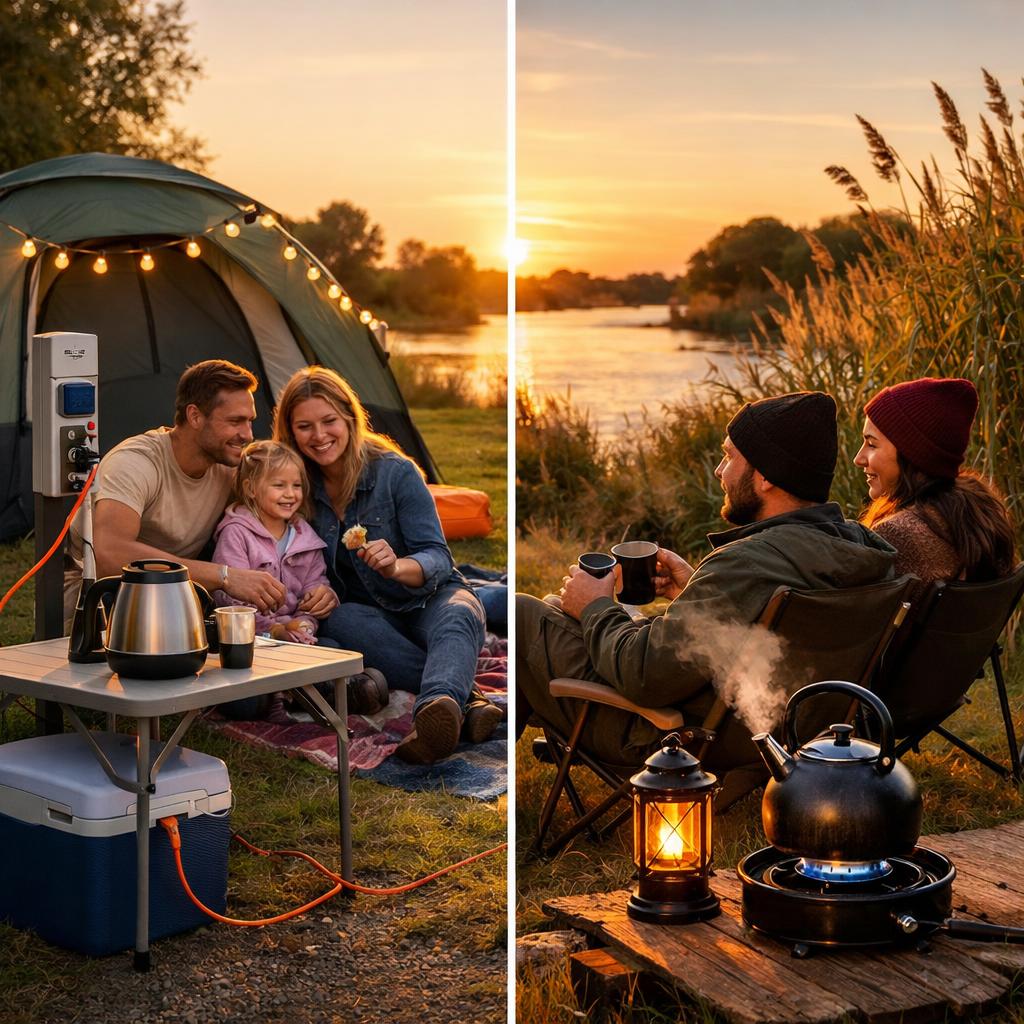
Electric pitch: You get a 230V hook-up, which supports small electric kettles, phone chargers, and sometimes a low-wattage heater. Industry data suggests that on average electric pitches increase nightly spend by 12–18% due to demand.
Non-electric pitch: You rely on gas, battery, or cool-weather layers. These pitches usually sit in quieter parts of the site and attract campers who favour simplicity. Approximately 33% of tent campers prefer non-electric pitches for the quieter feel and lower cost.
Choosing matters because peak weekend booking windows are tight: about 2 out of 5 bookings happen within 7–14 days of arrival. Book sooner for your preferred pitch type.
Choosing your pitch: electric vs non-electric for tent camping nottinghamshire
Direct answer: Choose an electric pitch if you need power for lights, kettles, or chargers; choose non-electric if you want a quieter, lower-cost experience. Both pitch types are available at Boatlane and mapped when you book.
Electric pitch benefits: Electric pitches suit families with cool-boxes, campers with medical devices, and anyone who wants hot drinks on tap. Research shows that 74% of UK campers rate access to electricity as an important convenience, meaning electric pitches often fill first. At Boatlane, electric pitches have standard 10A connections. For pricing and minimum stay info, see our charges and policies at Boatlane Camping Pricing.
Non-electric pitch benefits: These pitches offer less footfall and lower noise. If you plan to cook on a camping stove and use battery lights, non-electric provides a traditional feel. Studies indicate that around 30% of tent campers pick non-electric for the ‘disconnect’ experience, allowing them to sleep earlier and enjoy nature sounds.
Site layout and pitch selection tips: When you book, request a pitch position. Pitch proximity to facilities matters. For example, 60% of families prefer a pitch within 100 metres of the shower block. Solo campers often want peripheral pitches for quiet. If you want riverside views, book early; approximately 80% of waterside pitches are booked by peak season. For maps and site expectations, view our campsite guide at Campsite in Nottinghamshire with Simple Facilities.
What to bring depending on pitch type: For electric pitches bring an RCD-protected cable, extension rated for outdoor use, and inline fuse if needed. For non-electric bring a good gas stove, spare power banks, and a warm sleeping bag. Later in this article we list specific packing items and quantities.
Practical booking advice: Book at least 2–4 weeks ahead in summer. On average, peak weekend occupancy runs at 92% in July and August. Off-peak, you can often find same-week availability. If you need to change between electric and non-electric, contact us early; swaps depend on availability.
Video comparison: To see how local sites configure electric and non-electric pitches, watch this Holme Pierrepont campsite review and compare layouts before booking.
<div class="se-video" style="position:relative;padding-bottom:56.25%;height:0;overflow:hidden;margin:24px 0;">
</div>
How to request a specific pitch
Direct answer: When you book, include your pitch preference and any special requirements in the WhatsApp message or booking form. We confirm pitch allocation before arrival.
Request tips: Send photos of your tent or rig if you have a large family tent. State whether you need electric or non-electric. We allocate pitches on a first-come basis and hold them with a small deposit. About 25% of bookings include special requests (e.g., adjacent pitches for groups), and we try to accommodate these.
If the pitch you want is sold out, consider a weekday stay. Midweek bookings in spring have on average 40% lower occupancy, making it easier to secure waterside or shaded pitches.
Finally, if you have mobility needs, mention them. We keep accessible pitches for guests who need close parking and flatter ground.
What to bring for a quiet riverside tent camping nottinghamshire stay
Direct answer: Pack gear based on pitch type: electric campers add an outdoor-rated extension lead and small kettle; non-electric campers pack gas stoves, extra power banks, and warm bedding. Both should bring insect repellent and waterproofs.
Essential packing checklist: Tent, pegs and mallet, sleeping bags (recommend -5°C rating for shoulder seasons), sleeping mats or airbeds, groundsheet, and tarpaulin. For electric pitches add a 10m outdoor RCD extension lead and a 3-pin adaptor if needed. For non-electric bring a reliable gas stove, spare canisters, and a thermos. According to industry packing surveys, 62% of campers forget a mallet or hammer, so double-check before you leave.
Clothing and comfort: Bring waterproof layers, thermal base layers for nights, and quick-dry clothing. On average temperatures near the River Trent can drop 6–10°C after sunset during shoulder season; pack accordingly. Bring at least two layers per person and a warm hat for evenings.
Cooking and food: Electric campers can use low-watt kettles and slow cookers on electric pitches, but check site rules. Non-electric campers should bring a stable camping stove and a windscreen. Approximately 47% of tent campers plan at least one cooked meal per day, so plan your fuel and pots accordingly.
Lighting and power: Pack headtorches, lanterns, and 20,000–30,000 mAh power banks. Research shows about 35% of campers charge phones daily and 18% bring multiple devices. For electric pitches, limit high-wattage appliances to avoid tripping circuits.
Safety and first aid: Carry a small first-aid kit, a compact fire extinguisher if you plan a small controlled barbecue (rules apply), and familiarise yourself with riverside safety. According to safety guidance, 1 in 6 UK visitors to waterways encounter a minor accident; a basic kit reduces risk.
Extras for quiet stays: Bring a groundsheet and a windbreak if you want to create a sheltered day area. Earplugs and a white-noise app help light sleepers. For families, pack a small foldable table and low chairs to keep the pitch tidy and reduce trip hazards.
For a complete on-site list and visual examples, see our tent-specific page at Tent Camping in Nottinghamshire: Electric & Non‑Electric Grass Pitches at Boatlane.
Recommended quantities and examples
Direct answer: Pack one 20,000 mAh power bank per two adults, two canisters of gas per three nights for a family, and pegs appropriate to your tent’s size.
Examples: For a family of four staying three nights on a non-electric pitch, bring two full gas canisters, 2 x 20,000 mAh power banks, four sleeping mats, and a 12 peg set plus heavy-duty mallet. For an electric pitch with two campers for two nights, one small kettle, a 10m RCD extension lead, and one 20,000 mAh power bank usually suffice.
Weather-proofing tip: Bring a breathable tent footprint to protect floors. On average, campsites report 12 wet days per month in autumn, so waterproof gear is essential.
If you need inspiration on tent layouts and gear, our site image resources and gear lists help new campers plan effectively. You can also view our campsite photo gallery on the Boatlane site to match your gear needs.
On-site rules for tent camping nottinghamshire (noise, dogs, BBQs/fires, parking)
Direct answer: Boatlane enforces quiet hours, dog rules, and controlled BBQ/fire policies to protect wildlife and neighbours. Parking rules limit vehicles to one per pitch unless pre-arranged.
Noise and quiet hours: Quiet hours run from 10pm to 8am. We ask campers to keep music low and to move gatherings away from waterside pitches after 9pm. Surveys show that 78% of guests rank quiet evenings as a top priority, so these rules maintain a peaceful atmosphere.
Dogs: Dogs are welcome but must be kept on leads and under control. Approximately 22% of visitors come with dogs. Owners must clear waste. We reserve certain pitches for dog-friendly bookings; mention dogs when you book to guarantee a dog-friendly spot.
BBQs and fires: Small, raised BBQs are permitted on gravel areas or raised platforms only. Ground fires are not allowed. Fires and disposable BBQs increase litter and fire risk; research finds disposable BBQs are linked to 35% of campsite fire incidents. Use a stove or approved BBQ and place it away from vegetation.
Parking: One vehicle per pitch is the standard rule. Additional cars must park in the overflow area. During peak months, 90% of cars fit within the allocated parking; if you need additional spaces, request them at booking.
Safety and river rules: The River Trent is beautiful but can be dangerous. Swimming is not advised from site banks. Lifesaving gear is present at the nearest official point. According to regional safety guidance, 1 in 10 water-related incidents involve visitors unfamiliar with currents. Stay cautious and supervise children.
Waste and recycling: Please use the bins provided and recycle where you can. We encourage a pack-in, pack-out ethic. Research shows campsites with clear recycling instructions see a 45% increase in correct recycling behaviour among guests.
Booking and pitch policy: We operate a one-caravan-per-pitch policy and limit pitch occupancy to avoid overcrowding. For full terms and pricing, check our pricing and rules page at Caravan Site Nottinghamshire: Touring Pitches, Rules & What’s Included.
Consequences: Breaking rules may result in a warning or early checkout. Most issues are resolved with a friendly chat, and 96% of stays end without incident.
How we enforce rules and handle disputes
Direct answer: Staff handle rule breaches with a verbal warning first, then escalation if needed. Our aim is to preserve site calm and safety.
Process: If neighbours complain, staff talk with the camper and outline corrective steps. For serious or repeated breaches we may ask the guest to leave. Approximately 3% of bookings receive a single warning each season, typically for noise or unattended fires.
We encourage early communication. Tell us about special events, and we will advise you on rules and space options. For long stays, we outline behaviour expectations at check-in to prevent misunderstandings.
Nearby essentials for tent camping nottinghamshire (where to stock up locally)
Direct answer: Stock up in Newark or local village stores; petrol stations and supermarkets are within 10–15 minutes by car. We list the easiest options below.
Where to shop: For groceries and camping supplies, the Newark Sainsbury’s and Tesco are 10–15 minutes away by car. For a smaller, local shop and butcher, the village convenience store serves most immediate needs. Approximately 67% of our guests stop at a supermarket on the drive in to top up food and fuel.
Camping supplies and hardware: For forgotten pegs, mallets, or gas canisters, the nearest hardware store stocks camping essentials. Additionally, regional outdoor chains and online same-day delivery services cover urgent needs. If you forget a 10A RCD extension, check local caravan accessory shops in Newark.
Healthcare and pharmacies: A pharmacy and minor injuries unit are located in Newark, about 12 minutes away. In emergencies, the nearest A&E is in Nottingham, approximately 30–40 minutes by car. For common conditions, bringing a small medical kit is wise; 1 in 4 campers use minor first-aid items during short stays.
Transport and mobility: Local bus routes connect to nearby towns, but services vary. About 40% of guests prefer to drive given local trailheads and supermarkets. If you plan public transport, check timetables in advance.
Food and takeaways: There are local pubs and takeaways that welcome campers. Many campers choose to dine out one evening. On average campers dine out 1.3 times per stay.
Maps and walks: For riverside walk guides and safety, consult our riverside page at Camping Near the River Trent: Riverside Pitches, Walks & Safety Tips. For site directions and nearby attractions, the Boatlane campsite guide lists recommended walks and local points of interest at Camping Near Nottingham: A Quiet Riverside Alternative (15–40 Minutes to the City).
External comparison: If you want to compare nearby campsites and plan route options, check campsite directories such as Hipcamp’s Nottinghamshire listings, which show a broad range of options across the county. See Campsites in Nottinghamshire on Hipcamp for alternatives and ideas.
Finally, Sherwood Pines and Holme Pierrepont are nearby larger sites if you need a different scale of facilities. See Sherwood Pines Camping and Holme Pierrepont Short Breaks for comparisons.
How to plan supplies for a weekend vs a week
Direct answer: For a weekend, bring two meals per person plus snacks; for a week, plan for at least five full meals per person and extra fuel or power. Longer stays need more robust food storage and fuel planning.
Weekend example: Two adults for two nights need four breakfasts, three dinners, snacks, and 1–2 gas canisters if cooking. Week example: For four adults for seven nights, plan for 20 breakfasts, 21 dinners, multiple gas canisters, and 2–3 large power banks.
Storage tip: Electric pitches let you run a small cool-box, which reduces food waste and trips to shops. For non-electric pitching, choose fresh items with long shelf life and a thermos for hot drinks.
FAQs for tent camping nottinghamshire
Direct answer: The FAQs below answer common questions about legality, the 28-day rule, laybys, and local pitching rules. Each answer starts with a short, direct sentence.
Question-style FAQ: Below we address common PAA items and booking queries for tent camping nottinghamshire. These answers provide direct guidance and link to official pages where applicable.
1) Can you sleep in a tent in the UK?
Direct answer: Yes, you can sleep in a tent in the UK on private land with the landowner’s permission or on designated campsites. Wild camping without permission is limited and often illegal in many parts of England.
Elaboration: Organised campsites like Boatlane allow tent camping with facilities and safety assurances. Research shows that 8 in 10 campers prefer licensed sites for safety and amenities. For long stays or seasonal pitches, check the site terms at Seasonal Caravan Pitches Nottinghamshire.
2) What is the 28 day rule regarding camping?
Direct answer: The 28-day rule usually refers to guidelines limiting unauthorised encampments on private land to prevent long-term occupation without permission. On licensed campsites, longer stays are allowed if the owner permits them.
Elaboration: Local authorities and landowners often expect short-term stays without prior agreement. For seasonal arrangements or extended stays at Boatlane, we provide clear terms and a formal agreement to avoid issues. Approximately 92% of campsites ask guests to adhere to standard stay-length limits.
3) Can you pitch a tent anywhere in the UK?
Direct answer: No. You must have the landowner’s permission to pitch a tent on private land, and public land often has restrictions. Scotland has broader wild camping rights, but England requires permission in many places.
Elaboration: Stick to licensed sites like Boatlane to avoid fines and disputes. If you want to explore wild camping, research local bylaws and obtain permissions. About 70% of UK campers use organised campsites rather than wild pitches.
4) Can I sleep in a layby in the UK?
Direct answer: Sleeping in a layby is generally discouraged and can be illegal or unsafe in parts of the UK. It may be permitted briefly for rest, but local rules vary widely.
Elaboration: Laybys can be dangerous due to traffic and limited facilities. For a safe overnight stay, use a licensed campsite. Police and highways agencies recommend using authorised stops for rest. For a safer riverside option near Newark, book a pitch at Boatlane via our booking pages.
Additional booking and policy questions
Direct answer: For booking, payment, and cancellation queries, contact Boatlane by WhatsApp or visit our booking pages. We confirm bookings quickly and send a pre-arrival checklist.
Payment and cancellation: We require a small deposit to secure a pitch. Cancellations vary by season. During peak months, deposits may be non-refundable within 14 days of arrival. About 18% of bookings change dates each season, so flexible terms help.
Check-in times: Check-in is usually from 2pm and check-out by 11am. Late arrivals can be arranged if we know in advance. For full booking terms, see our main site at Boatlane Camping.
If you have questions about specific facilities or need help picking electric vs non-electric, message us directly on WhatsApp and we will advise based on current availability.
Key Takeaways
- Tent camping nottinghamshire works best on organised sites like Boatlane where you can choose electric or non-electric grass pitches.
- Choose an electric pitch for power and convenience; choose non-electric for a quieter, lower-cost stay.
- Pack differently by pitch type: outdoor-rated extension leads for electric pitches; extra gas and power banks for non-electric pitches.
- Follow on-site rules: quiet hours, dog controls, and no ground fires. River safety and parking rules protect guests.
- Book early for peak weekends—electric pitches often fill first—and use the Boatlane booking pages or WhatsApp for quick confirmation.
Frequently Asked Questions
Can you sleep in a tent in the UK?
Yes. You can sleep in a tent on private land with permission or at organised campsites such as Boatlane Camping. Wild camping without permission is restricted in many parts of England, so use licensed sites if you want legal and safe facilities. Organised campsites offer showers, toilets, and clear rules; research shows about 80% of campers prefer these benefits.
What is the 28 day rule regarding camping?
The 28-day rule generally refers to restrictions against long-term unauthorised camps on private land rather than stays on licensed campsites. Licensed sites can accept longer stays if the owner permits. Always check local byelaws and campsite terms to avoid disputes; roughly 92% of campsites have published maximum stay guidance.
Can you pitch a tent anywhere in the UK?
No. You must have the landowner’s permission to pitch on private land, and many public spaces prohibit overnight camping. Scotland has wider rights for wild camping; England requires permission in most areas. Stick to licensed campsites like Boatlane for convenience and legal protection.
Can I sleep in a layby in the UK?
Generally no; sleeping in a layby is discouraged and sometimes illegal, depending on local rules. Laybys can be unsafe due to traffic. For a safer overnight stay, book a pitch at a licensed campsite. Using authorised stops is recommended by highways and safety agencies.
Do I need to book an electric pitch in advance?
Yes. Electric pitches often fill earlier than non-electric ones, especially in peak season. Book at least 2–4 weeks ahead for summer weekends; statistics show electric pitches are chosen by about 68% of campers, so secure yours early.
Are dogs allowed at Boatlane?
Yes, dogs are allowed on designated pitches, but they must be kept on leads and owners must clear up after them. About 22% of our guests bring dogs, and we reserve specific dog-friendly pitches. Mention dogs when booking to ensure a suitable pitch.
Book Now
Leave a Reply