If you’ve searched for wild camping Nottinghamshire, you probably want the freedom of a back‑to‑basics night under the stars — but you don’t want a run‑in with a landowner or the police. Short answer: in Nottinghamshire (and across England) true wild camping is rarely legal without permission. That doesn’t mean you’re out of options. This guide explains the law clearly, busts common myths (sleeping in cars, laybys and campfires), and then offers a simple, legal alternative that still feels wild: quiet riverside pitches at Boatlane Camping on the River Trent. You’ll get practical low‑impact camping etiquette, packing and safety tips, and step‑by‑step booking info so you can get the ‘wild feel’ — campfire ambience, wildlife, seclusion — without trespass or fines. Read on to learn exactly what can happen if you’re caught camping illegally, why permission solves everything, and how Boatlane’s electric and non‑electric grass pitches give you a fuss‑free, nature‑forward break in Nottinghamshire.
Is wild camping legal in Nottinghamshire? (UK legal overview)
In England — which includes Nottinghamshire — the default legal position is that wild camping is not allowed without the landowner’s permission. Unlike Scotland, where the Land Reform (Scotland) Act gives broader rights to camp responsibly on most unenclosed land, English law treats overnight stays on private land as trespass unless permission has been granted. What this means in practice: if you pitch a tent on a farmer’s field, a riverside bank or in a wood without consent, the landowner can ask you to leave and may pursue civil remedies if you refuse. There are also circumstances that carry criminal liability: causing significant damage, lighting illegal fires that result in harm, or committing antisocial acts could lead to prosecution. Enforcement is usually proportionate — many campers are politely moved on — but the risk and stress of confrontation, potential fines for specific offences (for example, damage or fly‑tipping), and seasonal restrictions (ground nesting birds, fire bans) make it a gamble. For a clear primer on countryside responsibilities and rules, see the official Countryside Code and local Forestry England guidance. If you want to experience a genuine wild night outdoors in Nottinghamshire the safe way, get explicit written permission from the landowner or use designated sites. That’s where ‘nearly wild’ or low‑impact commercial pitches come into play — they offer remoteness and natural surroundings with the legal peace of mind that comes from a booked pitch.
England vs Scotland — why the difference matters
Scotland’s access rights are much broader: responsible wild camping is widely permitted on most unenclosed land under the Land Reform (Scotland) Act, subject to the Scottish Outdoor Access Code. In England (and Wales) you don’t have that blanket right. Nottinghamshire sits in England, so the Scottish model doesn’t apply. Practically, this means three things for Nottinghamshire campers: always check landownership, avoid making yourself at home overnight without permission, and prefer licensed campsites or sites that advertise a ‘wild’ or low‑impact experience (like Boatlane’s riverside pitches) if you want a no‑stress nature break.
Common misconceptions (sleeping in car, campfires, landowner permission)
A lot of questions about wild camping Nottinghamshire come from confusion over related activities: can I sleep in my car overnight, are laybys permitted, and what about campfires? Let’s clear those up. Sleeping in your car: generally it is not criminal to sleep in a vehicle on public roads, but local bylaws, private land rules (supermarket car parks, laybys on trunk roads), and highway safety concerns can make it inadvisable. Always check signage, avoid obstructing traffic and don’t set up awnings or camp chairs — that can be treated as ‘camping’ by local authorities and could attract enforcement. Can you sleep in a layby in the UK? Short stays to rest are usually tolerated for safety reasons, but staying overnight repeatedly or treating the layby as a campsite may attract attention from police or highways officers. For practical, up‑to‑date advice about vehicle sleeping and road safety, refer to AA guidance. Campfires: open fires on open ground are risky. Wildfires in dry seasons can cause ecological harm and legal consequences. Many landowners explicitly ban fires; lighting one without permission could lead to prosecution if it causes damage. Landowner permission: this is the simplest route. A written or emailed OK from the landowner transforms a potential trespass into a lawful stay. Many landowners offer informal ‘nearly wild’ options with simple rules: arrive late, leave early, take all waste home, and don’t light fires. If you prefer a completely hassle‑free option, a licensed riverside pitch at a small site like Boatlane gives you the privacy and natural setting of wild camping but with clear rules, toilets, and waste disposal.
Quick practical tips to avoid common mistakes
Always check for signs or fencing that indicate private land; avoid making fires unless permitted; don’t block farm tracks or gates; keep dogs under control near livestock; and take everything home — especially disposable BBQs. If in doubt, ask the landowner or choose a licensed pitch for peace of mind.
Low-impact camping etiquette (golden rules)
Even on legal sites or with permission, low‑impact camping matters. Following a few golden rules protects the places you love and raises the chance you’ll be welcome back. 1) Leave No Trace: pack out all waste — food scraps, toilet paper and cigarette butts. At Boatlane, refuse disposal facilities are available on site so you can dispose of rubbish responsibly. 2) Minimise campfire impacts: use a camping stove for cooking and, where fires are allowed, use existing fire pits or elevated campfire containers. Never leave a fire unattended and fully extinguish it. 3) Respect wildlife and livestock: keep noise low at dusk and dawn, stay away from nests and calves, and keep dogs on leads near fields with animals. Nottinghamshire has sensitive bird nesting seasons and riverside vegetation that benefit from quiet camping. 4) Stick to durable surfaces: pitch on grass pitches or hardstanding rather than trampling wildflower areas. This helps prevent erosion and protects habitat. 5) Human waste: use site toilets where provided. If you must go in the countryside, follow the official guidance for burying waste (6–8 inches deep, 30 metres from water) and use biodegradable toilet paper. 6) Be considerate of neighbours: arrival and departure times, quiet hours, and parking rules help tiny sites and family parks coexist with local residents and farmers. Following these practices keeps green spaces accessible for everyone and reduces the chance of bans or restrictions that arise when sites are abused.
Boatlane‑specific etiquette
At Boatlane Camping we ask guests to keep noise down after 10pm, use the designated waste points, and keep dogs on leads near the river. Observing these simple rules preserves the peace and wildlife that make our riverside pitches special.
A legal alternative: quiet riverside pitches at Boatlane
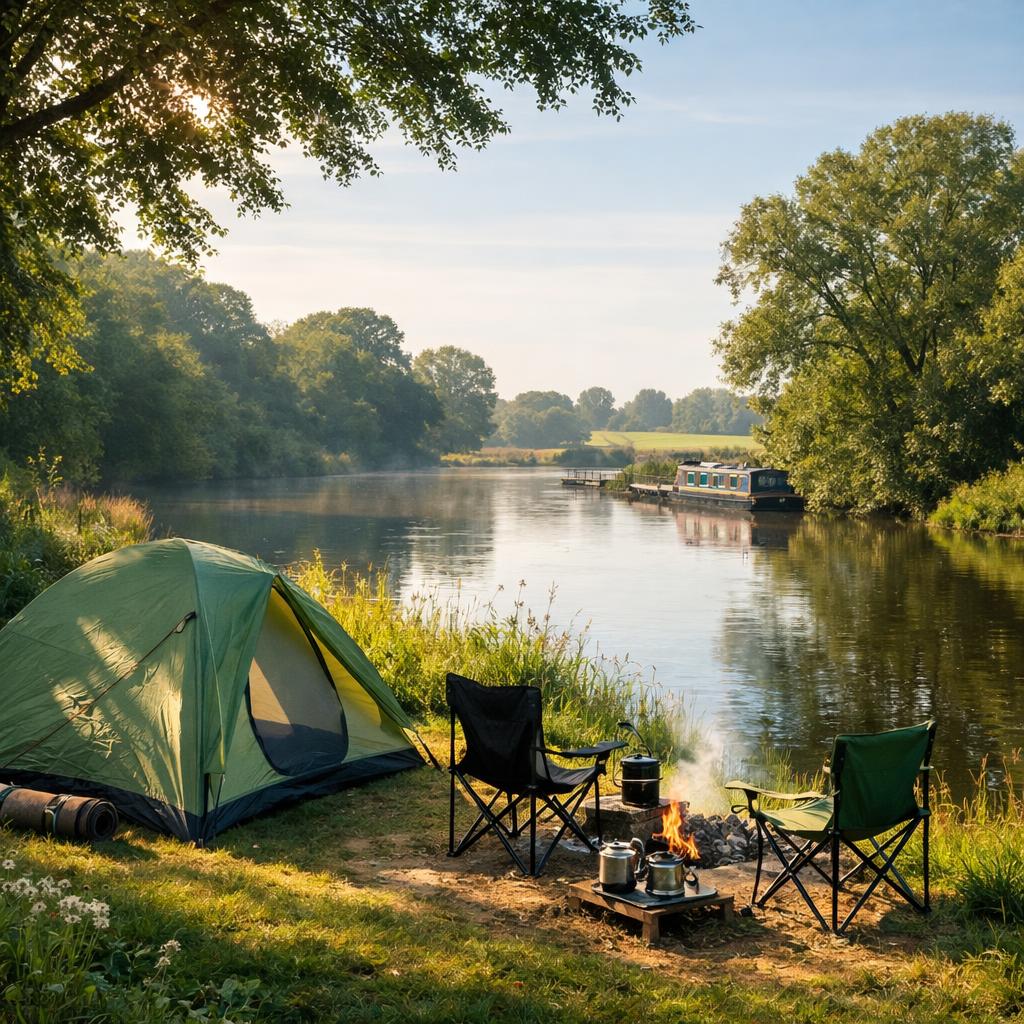
If your aim is wild camping Nottinghamshire without the legal headaches, Boatlane Camping offers a straightforward alternative: quiet riverside pitches with a ‘wild’ feel but full legality and facilities. Located on the banks of the River Trent, Boatlane provides electric grass pitches and non‑electric grass pitches, seasonal pitches and caravan pitch bookings (one caravan per pitch) that give you privacy, river views and the feeling of being ‘off the beaten track’ without trespass. Our pitches are designed for families and small groups (minimum six people per unit for group bookings) who want nature, not crowds. Why choose Boatlane? 1) Legal peace of mind: your stay is authorised, so you won’t be asked to move or risk enforcement. 2) Facilities: toilet blocks, waste disposal and access to water make a low‑fuss stay possible while still being close to nature. 3) Choice of pitch: run a generator-free weekend on a non‑electric pitch, or plug in for a longer stay on an electric grass pitch. 4) Rivers and wildlife: early morning river mist, kingfisher sightings and easy access for riverside walks replace the uncertainty of a random wild pitch. Bookings are simple via the Boatlane Camping website and policies are clear: one caravan per pitch, group rules, and seasonal availability. For imagery of our riverside setting and a feel for our gypsy caravan styling, check this riverside caravan image. If you’re used to wild camping, Boatlane’s pitches let you sleep under the stars, cook on a stove, and still be within the rules — the best of both worlds.
What to expect when you book
Arrival times are flexible but we recommend arriving in daylight. You’ll be directed to your grass pitch, shown where the facilities are, and given simple site rules to keep things peaceful. For full details on pitch types and availability, visit Boatlane Camping to choose the right riverside pitch for your break.
FAQs
Below are direct answers to common People Also Ask questions about wild camping Nottinghamshire and related topics. These are practical, concise and reference what you can expect locally — including alternatives if you want a low‑impact, legal overnight stay by the river.
See the FAQ section below for full answers
Questions cover consequences of illegal camping, laybys, the 56‑day rule and Sherwood Forest rules.
Key Takeaways
- True wild camping in Nottinghamshire (England) is usually trespass without landowner permission; Scotland has different access rights.
- Sleeping in a car or staying in a layby is tolerated for short safety stops, but local rules vary — avoid setting up campsite gear.
- Follow low‑impact etiquette (Leave No Trace, minimise fires, respect wildlife) so natural areas remain open to everyone.
- Boatlane Camping offers a legal ‘wild‑feel’ riverside alternative with electric and non‑electric grass pitches, facilities and clear rules.
- When in doubt, ask for permission or book a licensed pitch to avoid fines, confrontation or site damage.
Frequently Asked Questions
What happens if you get caught wild camping in the UK?
If you’re found camping without permission in England (including Nottinghamshire), the landowner can ask you to leave — if you don’t comply, they can take civil action for trespass. In most cases enforcement is informal: you’ll be asked to move on. However, if you cause damage (by starting an uncontrolled fire, leaving waste, or destroying habitat) you could face fines or criminal charges for specific offences. Local authorities and police also have powers to deal with antisocial behaviour. The safest route is to obtain landowner permission or use a licensed campsite such as Boatlane Camping to avoid any legal risk.
Can I sleep in a layby in the UK?
Short, safety‑related stops in a layby are usually tolerated, but rules vary locally. Overnight sleeping in a vehicle on a public road isn’t automatically illegal, but you must not obstruct traffic, set up awnings, or create a campsite. Private car parks (supermarket, pub) can have their own bylaws and may ask you to leave. For consistent safety and legality, prefer designated campsites or authorised overnight parking areas rather than treating a layby as a campsite.
What is the 56 day camping rule in the UK?
There’s no single nationwide ‘56‑day’ rule that authorises wild camping. The phrase often appears in planning and caravan discussions (for example, rules about temporary use of land or site licences), but permissions and enforcement timeframes vary by local authority. If you’re thinking about staying long term in a caravan or motorhome, check local council planning rules and site licensing. For short stays, use recognised campsites or obtain landowner permission to avoid planning or enforcement issues.
Are you allowed to camp in Sherwood Forest?
Wild camping is generally not permitted across Sherwood Forest and Forestry England land without authorisation. Certain areas operated by Forestry England provide designated camping or glamping options, and private landowners may grant permission on other sites. If you want to experience Sherwood Forest overnight, seek a designated campsite or formal permission rather than pitching up unannounced.
Leave a Reply