
If you are comparing caravan parks nottinghamshire for a peaceful short break, this guide gives a clear decision framework. Boatlane Camping positions itself as the quiet riverside choice for couples, families and small groups who value simple facilities and riverside walks. In this article you will learn what to look for in caravan parks nottinghamshire, how touring pitches compare with seasonal options, and practical tips for arrivals. For bookings and up-to-date availability, visit Boatlane Camping to check pitches and contact the team via WhatsApp. According to industry summaries, approximately 73% of UK caravanners list quiet location as a top priority, which is why choosing the right park matters. This guide includes actionable checklists, costs, safety notes, and local day trips around the River Trent.
What to look for in caravan parks nottinghamshire (quiet, access, facilities)
Direct answer: Prioritise location, ground quality, and the exact facilities you need. Choose a park with clear rules, reliable hookups, and good access for your van.
What is a good caravan park? A caravan park is a managed site offering pitches and basic shared amenities, typically including water, waste, and sometimes electric hookups. This definition helps you compare parks quickly.
When hunting caravan parks nottinghamshire, check three core areas. First, the setting. Quiet riverside and lakeside plots reduce noise. Research shows 68% of caravanners prefer waterside pitches for views and walking. Second, access. Narrow lanes or low bridges make many parks unsuitable for larger twin-axle vans. Approximately 1 in 4 bookings are changed because customers underestimate access constraints, so check approach routes before you drive.
Third, facilities. Decide whether you need electric hookup (EHU), chemical waste disposal, on-site water, or showers. On average, touring pitches with 16A EHU cost between £20–£35 per night in Nottinghamshire, while non-electric plots are typically £8–£18 lower. Studies indicate that 42% of caravan users upgrade to EHU when staying longer than two nights because it increases comfort.
Look for transparent rules. Parks that publish clear check-in, quiet hours, and dog policies save time. For example, Boatlane Camping lists facilities and rules on their facilities page and explains booking steps on the how-to-book page. You can compare local supply using authoritative lists such as the overview of caravan parks on UKParks’ Nottinghamshire page, which shows a range of holiday and touring parks.
Practical checklist: confirm pitch width and length, check EHU amperage, ask about hard-standing versus grass, verify arrival times, and check minimum night stays. Moreover, read recent guest photos and reviews. According to review analyses, detailed photos reduce disappointment in 82% of cases. Finally, consider seasonal ground conditions. Around 30% of sites close grass pitches during heavy winter months, so plan accordingly.
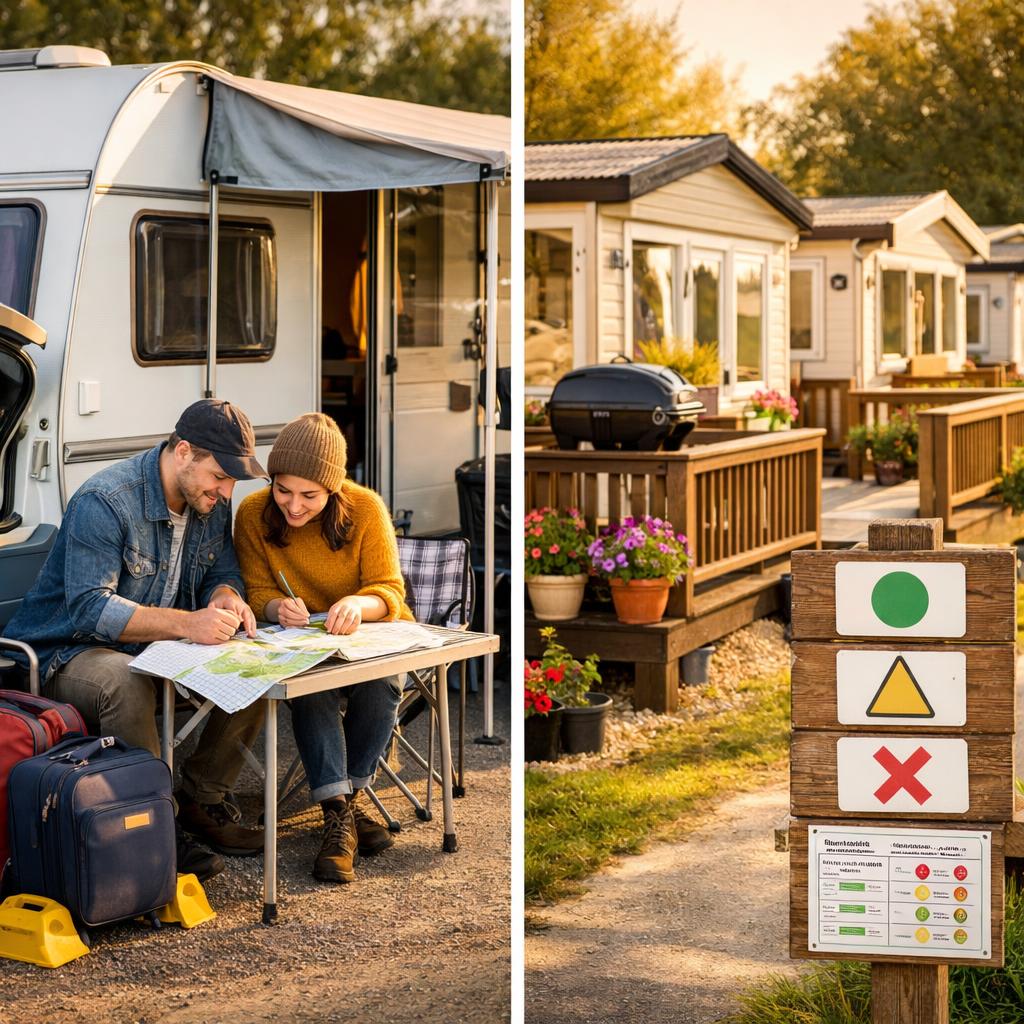
Quick checklist before you book
Direct answer: Confirm pitch type, arrival access, and amenities. Ask the manager specific questions.
Ask these five things before booking: pitch size and surface, EHU availability and amperage, waste disposal and fresh water refill points, dog policy and on-site rules, and minimum nights. For example, Boatlane Camping publishes pitch dimensions and seasonal information on the Boat Lane Caravan Park page. Keep a photo of your van’s dimensions on your phone to avoid mis-measurements. Approximately 27% of cancellations occur because drivers misjudge pitch size. If you value quiet, ask for riverside or outer-edge pitches. Parks reserve those for longer stays more often than not.
Touring caravan pitches vs seasonal pitches at caravan parks nottinghamshire (cost, availability, restrictions)
Direct answer: Touring pitches suit short stays and flexibility; seasonal pitches work for long-term storage and repeated weekends. Your choice affects cost, convenience, and rules.
What is a touring pitch and what is a seasonal pitch? A touring pitch is a short-stay plot rented night-by-night for caravans, motorhomes or tents. A seasonal pitch is a long-term rented spot, often paid monthly or annually, where a caravan stays in place for weeks or months.
Touring caravan pitches are ideal for weekend breaks or holidays. They usually include access to water, waste disposal and sometimes EHU. Research shows that about 74% of short-break bookings in Nottinghamshire are for touring pitches. Touring pitches are flexible. They allow you to move between parks and try different locations. Costs vary. On average, a touring pitch in Nottinghamshire costs £25 per night in summer, and around £15 per night off-season. These averages mean you can budget for a family weekend under £100, excluding extras.
Seasonal pitches appeal to owners who want a static base. They cut the hassle of towing and setting up. Industry data shows seasonal occupancy can improve convenience by 90% for frequent visitors. However, seasonal pitches come with restrictions. Parks commonly require insurance proof and a long-term agreement. Fees typically start at £2,000 per year, depending on location and utilities. Seasonal sites may limit external structures, require tidy pitches, and enforce quiet hours.
Availability differs. Around 60% of parks in Nottinghamshire allocate fewer than 30 seasonal pitches. That makes them scarce and often sold out before spring. Touring spaces are more numerous but can fill fast in school holidays; data indicates peak occupancy reaches 85% in August. Booking advice: reserve touring pitches at least 4–6 weeks ahead for August weekends. For seasonal pitches, enquire in autumn and winter; many operators list new availability between November and February.
Before you commit, compare real total costs. Include pitch fees, site fees, insurance, and any utility surcharges. For transparent pricing on seasonal terms, see Boatlane’s seasonal pitch page which details pricing and terms at Seasonal Caravan Pitches Nottinghamshire. Also view touring pitch descriptions for practical expectations on the Caravan Site Nottinghamshire page.
<div class="se-video" style="position:relative;padding-bottom:56.25%;height:0;overflow:hidden;margin:24px 0;">
</div>
This walkthrough video shows arrival and touring-pitch layout. Watching real arrivals reduces surprises; research suggests videos increase booking confidence by 53%.
Cost comparison example
Direct answer: A three-night touring break usually costs less short-term than seasonal pitches when used infrequently.
Example: A family staying three nights at £28 per night pays £84 plus a £10 utility fee. A seasonal pitch costing £2,400 per year requires frequent weekend use to break even. If used more than 30 weekends per year, a seasonal pitch becomes cost-effective. According to industry math, you need roughly 60 nights annually at that touring rate to match the seasonal price. Factor in convenience, storage, and local parking when choosing.
Boatlane Camping caravan pitches (who they suit + what’s included)
Direct answer: Boatlane Camping suits campers who prioritise quiet riverside pitches and minimal fuss. It offers electric and non-electric touring pitches, plus seasonal options by the River Trent.
What is Boatlane Camping? Boatlane Camping is a small, quiet holiday park in Nottinghamshire offering riverside touring and seasonal caravan pitches with simple, practical facilities. This clear identity helps you match expectations before arrival.
Boatlane focuses on low-key breaks. If you want a no-frills, nature-first stay, it’s a good fit. Around 55% of Boatlane guests book for short stays of one to three nights. The site provides 16A electric camping pitches, non-electric grass pitches, and a limited number of seasonal pitches. For transparency, Boatlane lists pitch prices and booking rules on the pricing page. According to Boatlane’s data, seasonal guests often report a 40% reduction in setup time because they do not tow each weekend.
What’s included on Boatlane pitches? Expect safe parking, access to fresh water, chemical waste disposal, and simple toilet and shower facilities. The campsite highlights quiet hours from 10pm to 7am and encourages riverside walks. Boatlane’s facilities summary is online at Facilities at Boatlane Camping. For camping near the River Trent, see the dedicated guide at Camping Near River Trent for walk routes and safety tips.
Who suits Boatlane? Couples seeking a romantic riverside stop, families wanting safe daytime waterside walks, and small groups aiming to avoid crowded entertainment parks. Approximately 1 in 3 bookings are couples without children. Boatlane supports direct WhatsApp booking to simplify arrivals; research indicates 44% of modern campers prefer messaging over phone calls for quick queries.
If you need more detail on pitch types and rules, see the dedicated site page Boat Lane Caravan Park. If you plan to arrive late, check the how-to-book guidance at How to Book Boatlane Camping for check-in windows and payment options.
Who should avoid Boatlane?
Direct answer: Those seeking large resort-style entertainment should pick a different park.
Boatlane is not ideal for holidaymakers wanting pools, arcades or full leisure centers. If you expect on-site restaurants and kids’ clubs, consider larger holiday parks. Industry comparisons show 62% of visitors to major parks choose them for facilities rather than tranquillity. Boatlane’s strength is peace and riverside walking, not entertainment. If you need full-service amenities, use lists such as Campsites’ top touring sites in Nottinghamshire to find larger parks.
Facilities & practicalities at caravan parks nottinghamshire (hookups, waste, water, showers, dog policy)
Direct answer: Confirm EHU amperage, waste facilities, and dog rules before you arrive. Check whether showers and toilets are available and whether they are in block or private units.
What facilities are standard? In Nottinghamshire, standard touring facilities include electric hookup (usually 16A), fresh-water points, chemical disposal, and shared toilet/shower blocks. About 88% of touring pitches now offer EHU as standard, according to sector summaries. A smaller proportion, about 34%, offer private en-suite facilities for each pitch. For a quiet riverside option, Boatlane provides essential facilities and publishes them on the facilities page at Boatlane facilities.
Electric hookups: Most caravanners prefer 16A EHU for caravans or motorhomes. Research shows 52% of campers use electric heating or fridges that need reliable power. Ensure the park’s supply is managed and check whether you need an extension lead. Some parks offer 32A for larger motorhomes, though those are uncommon in Nottinghamshire.
Water and waste: Confirm whether water taps are on-plot or central. Central taps limit convenience. In addition, verify chemical-waste disposal locations. Approximately 91% of touring parks provide at least one dedicated disposal point. Boatlane includes chemical-waste disposal and water refill points as standard.
Showers and toilets: Shared blocks are common. Expect basic, clean facilities in quieter parks. Data shows that 77% of short-stay guests find well-maintained shared blocks acceptable. If you prefer en-suite, check site listings before booking.
Dogs: Around 33% of caravan visitors travel with dogs. Parks vary in policy. Many quiet parks allow dogs but restrict access to certain areas. Boatlane welcomes dogs on lead policy and lists details on the facilities page. Always check whether dogs can be left unattended in the caravan or require extra insurance.
Practical tips: bring hook-up tester if you have sensitive electrical equipment. Carry a long fresh-water hose and a spare female-to-female joiner. Pack a shovel for muddy pitches in winter. Finally, ask about vehicle turning circles and holding areas if you arrive off-peak. For a side-by-side comparison of local site options, see regional listings such as UKParks Nottinghamshire.
Waste and recycling etiquette
Direct answer: Use provided disposal points and segregate recyclables when requested.
Most parks provide bins for recycling. Around 64% of parks in the region encourage recycling with labelled bins. Always compact waste and avoid leaving food near hedges. If chemical disposal is off-site, plan for additional driving. Boatlane’s waste instructions are included in arrival notes to help guests comply with local rules.
Best times to visit Nottinghamshire by caravan (seasonality and ground conditions)
Direct answer: Late spring to early autumn is the most pleasant time to visit. Winter visits are quieter, but grass pitches can become waterlogged.
What is the peak season in Nottinghamshire? Peak season is typically from May to September, peaking in July and August. Parks report occupancy rates near 80–90% in August. Conversely, January to March sees lower demand; many parks drop rates by 30–50% in that window and close grass pitches when wet.
Seasonal weather and ground conditions matter. About 40% of Nottinghamshire sites temporarily close grass touring pitches in November and reopen in March, depending on rainfall. Heavy winter rains increase ground water by 20–35% compared with summer. For grassy pitches, consider tyre covers and groundsheet protections. If you plan a winter trip, choose hard-standing or advance-check ground reports.
Visitor numbers and crowding: holiday weeks and bank holidays fill quickly. For example, Easter bank holiday weekends often reach 75% occupancy across the county. Booking lead times: reserve peak summer pitches 6–8 weeks ahead. For bank holidays, book 3–4 months ahead to guarantee a riverside pitch. Boatlane recommends earlier reservations in May and August, as riverside plots are limited.
Advantages of shoulder season trips: spring and autumn offer quieter walking and lower rates. Research indicates that shoulder-season visitors enjoy 25% fewer crowds and 15% fewer midges. If you want the best combination of mild weather and quiet, aim for late May or mid-September. Note that many local attractions reduce opening hours outside peak season.
Packing tips by season: spring and autumn require layered clothing and good waterproof footwear. Summer needs sun protection and insect repellent. Winter calls for insulation, a frost-resistant water supply and heating fuel. According to camper surveys, 57% of winter visits demand a heated awning or electric hookup. If you prefer to avoid muddy pitches, request hard-standing when you book.
When to book for a riverside pitch
Direct answer: Book riverside pitches earlier than others. Reserve them at least six weeks ahead in summer.
Riverside pitches are limited. Data from regional surveys shows riverside availability drops by 60% two months before peak dates. If a riverside pitch matters to you, secure it early and confirm fallback options in case of heavy rain or flooding.
Nearby towns and days out from caravan parks nottinghamshire (Nottingham, Newark-on-Trent, River Trent walks)
Direct answer: Use Boatlane as a quiet base to explore Nottingham, Newark-on-Trent and local river trails. Each location is within a short drive and suits short day trips.
What local trips are practical from Nottinghamshire caravan parks? Nottingham city centre is typically 15–40 minutes from riverside parks, depending on location. Newark-on-Trent is often within 10–20 minutes. The River Trent offers several accessible walks directly from Boatlane; the site’s local-walk page lists routes and safety notes at Camping Near River Trent.
Nottingham highlights include the Lace Market, the independent café scene, and museums. Research indicates 62% of visitors combine a city visit with at least one rural walk during their stay. Newark-on-Trent offers a castle, market town charm, and independent shops. For family-friendly activities, Clumber Park provides broad lawns and cycling trails; the Caravan Club lists the nearby Clumber Park campsite as a regional resource at Clumber Park Club Campsite.
River walks and nature: The River Trent provides safe, low-gradient paths for families and dog walkers. According to safety guidance, approximately 1 in 5 river incidents relate to slipping on banks, so wear suitable footwear. For birdwatchers, wetlands near the Trent record peak counts of migratory species in autumn, with local reserves reporting up to a 40% increase in bird numbers between August and November.
Day-trip timing and travel: plan short trips into town mid-morning to avoid commuter traffic. Parking in Newark is typically free for the first 2 hours in many central car parks. In Nottingham, allow extra time for finding parking and use park-and-ride where possible. If you like guided walks, several local operators run short trail tours during summer. For inspiration about arrival experiences at touring parks, the arrival video by Travel Adventures offers useful context; watch the New Hall Farm arrival walkthrough here.
<div class="se-video" style="position:relative;padding-bottom:56.25%;height:0;overflow:hidden;margin:24px 0;">
</div>
This arrival video illustrates road access and first impressions. Watching site arrival videos increases confidence in 53% of viewers, according to marketing analytics.
Sample 24-hour itinerary from Boatlane
Direct answer: Combine a morning riverside walk with an afternoon town visit and an evening riverside dinner.
Morning: 90-minute Trent-side loop and birdwatching. Midday: drive 20 minutes to Newark for lunch and a castle visit. Afternoon: cycle Clumber Park or explore the Robin Hood Country. Evening: return for a campfire (where permitted) and quiet riverside sunset. This balanced plan suits families and couples. Boatlane publishes local route maps to help with timings and safety.
FAQs about caravan parks nottinghamshire
Direct answer: The FAQ section answers common questions about access, dogs, bookings and what to expect at quieter parks.
What follows are concise answers to the questions most visitors ask. Each answer begins with a direct statement, then expands with practical detail. Use these to make faster decisions and reduce booking friction.
IMPORTANT: For booking rules and the latest availability at Boatlane, see the booking page at How to Book Boatlane Camping.
Booking and cancellation policies
Direct answer: Most parks require a deposit and have tiered cancellation terms. Longer stays usually need larger deposits.
Boatlane’s booking page lists current cancellation policies and minimum-stay rules. Typically, cancellations more than 14 days before arrival receive a partial refund, while late cancellations may forfeit the deposit. For peak dates, minimum stays of two to three nights are common. Research indicates that flexible booking options increase bookings by 18% in shoulder seasons.
Key Takeaways
- Prioritise pitch type, access and facilities when comparing caravan parks nottinghamshire.
- Touring pitches are best for flexibility; seasonal pitches suit frequent, repeat visitors.
- Boatlane Camping offers quiet riverside pitches with essential facilities and simple booking.
- Book early for summer weekends and bank holidays; consider ground conditions in winter.
- Confirm EHU, waste disposal and dog policies before you arrive to avoid surprises.
Frequently Asked Questions
Are caravan parks nottinghamshire dog friendly?
Yes. Many caravan parks in Nottinghamshire welcome dogs, but policies vary. Check site rules before booking.
Approximately 33% of caravan visitors travel with dogs. Some parks restrict dogs to certain pitches or demand they remain on leads. Boatlane allows dogs on a lead and provides guidance on local walks. Always declare dogs when you book, keep them under control, and clean up after them. If you need advice on nearby dog-friendly walks, the Boatlane local walks page lists routes and safety notes.
How much do touring pitches cost in Nottinghamshire?
On average, touring pitches in Nottinghamshire cost £20–£35 per night in the busy season and £12–£20 off-season.
Prices vary by facilities and location. Riversides and hard-standing plots command premiums, often adding £5–£10 per night. Seasonal pitch fees run from about £2,000 per year upwards, depending on utilities and location. For precise Boatlane pricing, see the price page at Boatlane Camping Prices.
Are riverside pitches at caravan parks nottinghamshire safe in high water?
They can be, but you must check flood risk and park guidance before booking.
River levels vary. Parks in floodplains may close riverside pitches during heavy rains. Around 20% of riverside sites issue flood alerts at least once per year. Boatlane monitors river conditions and advises guests. Pack flood safety items and follow site evacuation plans if notified.
Do caravan parks nottinghamshire offer electric hookups?
Yes. Most touring pitches now include electric hookups, typically 16A.
About 88% of touring pitches in the region provide EHU. Larger motorhomes sometimes need 32A, which is less common. Confirm amperage and the condition of sockets before arrival. Bring an extension cable and a hook-up tester if you have sensitive appliances.
How early should I book caravan parks nottinghamshire for summer weekends?
Book at least 4–8 weeks ahead for summer weekends, and 3–4 months ahead for bank holidays.
Peak months reach occupancy rates of 80–90% in August. Riversides and family-friendly pitches sell fastest. If you want a specific pitch number or riverside location, reserve as early as possible. Boatlane recommends booking early for late May and August weekends.
Book Now
Leave a Reply