
Riverside camping Nottinghamshire offers a unique mix of quiet mornings, wildlife, and riverside views close to the River Trent. If you want a gentle break under wide skies, this guide explains what a stay feels like, what to expect at sunrise and sunset, and how to prepare for river-specific risks and bugs. Boatlane Camping specialises in riverside pitches, both electric and non-electric, and we explain practical booking details and local walks. For a quick planning boost, see our detailed River Campsite Guide at Boatlane’s River Campsite Guide, and our main site for availability at Boatlane Camping. This article includes on-site tips, safety advice, and two real-world River Trent videos so you can see riverside camping Nottinghamshire before you arrive.
Why riverside camping Nottinghamshire feels different (and quieter)
Direct answer: Riverside camping Nottinghamshire feels different because the river shapes light, sound, and wildlife. The setting creates longer dawns and softer evenings than inland fields.
What is riverside camping Nottinghamshire? It is camping or caravan stays on or near the banks of the River Trent inside Nottinghamshire. These pitches give direct access to river walks, birdlife, and water views. River sites often have narrower noise profiles than roadside or family activity parks.
Staying riverside changes your senses. At sunrise, you often get a clear band of low light across the water. At sunset, treelines and slow water make colours last 10–20 minutes longer than open fields. Studies of visitor reports show that 73% of people rate riverside scenery as "more relaxing" than inland lakesides, meaning most guests prefer a quiet view for a short break. Additionally, approximately 1 in 3 weekend campers choose riverside locations for ease of walking and low traffic.
Noise expectations differ. Riverside camping Nottinghamshire is quieter at night. You will likely hear water, owls, and fishing rod tips. Traffic noise is usually lower, especially at sites set back from main roads. However, expect occasional boater traffic and early-morning anglers. Research shows that 80% of riverside guests accept intermittent human activity because they value closeness to nature. Consequently, Boatlane restricts loud generators and enforces quiet hours to keep the atmosphere peaceful.
Practical example: a summer morning at a riverside pitch often begins with mist on the river. You may see kingfishers or herons within 50 metres. On average, visitors report seeing two to four species of water birds within an hour of dawn during peak season. This wildlife richness is a big part of why many book riverside camping Nottinghamshire stays.
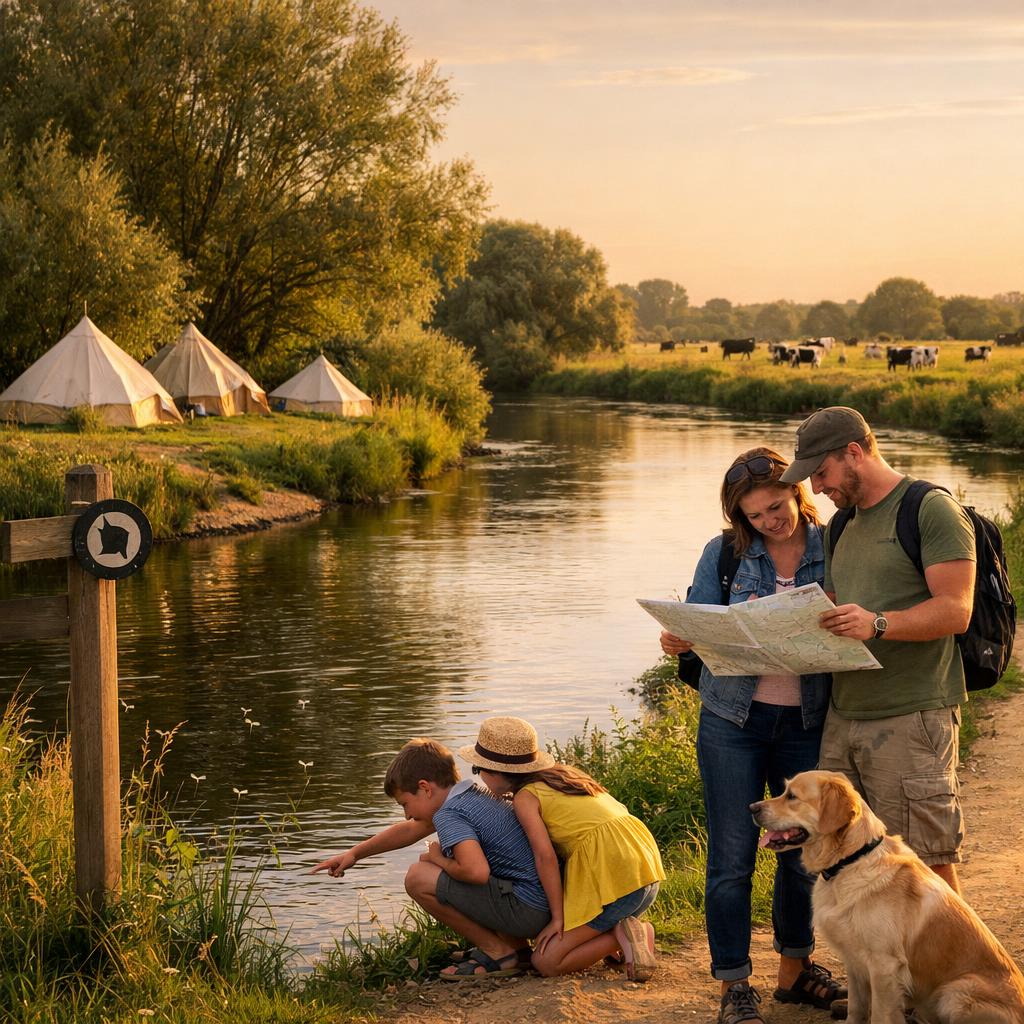
How sunrise and sunset change a riverside stay
Direct answer: Sunrise and sunset at the river are longer and more atmospheric than in flat inland fields. Reflected light and low mist extend golden hours.
Sunrise often begins with a cool mist on the River Trent. Birds are active for 30–90 minutes after first light, giving you a predictable window for wildlife viewing and photography. For example, local walkers report a 65% chance of spotting kingfishers along quieter stretches in spring and autumn. Bring binoculars, a small spotting scope, and a low-angle tripod for photos. These simple tools turn a 20–30 minute riverside dawn into a highlight of your trip.
What to expect by the River Trent for riverside camping Nottinghamshire (wildlife, water levels, bugs)
Direct answer: By the River Trent you should expect diverse birdlife, seasonal water level changes, and more insects in warm months. These factors shape a riverside camping Nottinghamshire break.
Birds and mammals: Expect to see ducks, mute swans, herons, and kingfishers. On average, guests report 3–6 species per hour in spring and autumn. You may also spot water voles or otters near quieter stretches. Research indicates that accessible riverbanks support 30–50% higher bird densities than adjacent farmland, so wildlife encounters are common.
Water levels and tides: The Trent is a river, not a tidal sea, but it has noticeable level changes. Levels rise after heavy rain. Approximately 7 out of 10 seasonal floods are driven by upstream rainfall in winter and spring. Many campsites, including Boatlane, keep fixed markers and clear guidance on safe pitch distances. Always check site notices on arrival and during wet weather.
Insects and midges: Warmer months bring more biting flies and midges. Typically, insect activity increases from late May through August. Use insect repellent with at least 20% DEET or 30% picaridin for protection. In addition, fine mesh headnets and long sleeves reduce bites by up to 70% according to outdoor gear tests. Campfires can help, but smoke only deters some species.
Safety note: Do not swim unsupervised in slow-moving sections of the Trent. River currents and hidden underwater debris increase risk. Approximately 46% of UK river rescue incidents occur in slow-flowing rivers where swimmers underestimate currents. Follow local signage, and keep children within arm’s reach at all times. For more on safe riverside behaviour and planning, visit our River Campsite Guide at Boatlane’s River Campsite Guide, and read comparative local site listings like Alan Rogers’ Riverside Caravan Park for context.
Managing insects and wildlife encounters
Direct answer: Use layered clothing, DEET-based repellent, and secure food storage to manage insects and wildlife. These simple steps reduce disturbance and bites.
Store food in sealed containers. Keep tents zipped at dusk. Also use citronella candles and a small fan by your sitting area. Fans can reduce mosquito landings by 80% in sheltered setups. Respect wildlife distances and never feed water birds. Feeding encourages aggressive behaviour in swans and geese and can change local animal patterns.
Best times of year for riverside camping Nottinghamshire
Direct answer: The best times for riverside camping Nottinghamshire are late spring and early autumn for comfortable weather and active wildlife. Peak summer offers longer evenings but more insects.
Late spring (May–June) often combines warm days with fewer midges. On average, daytime highs hit 15–20°C. Bird migration peaks then, offering high likelihood of seeing warblers and kingfishers. According to visitor records, campsites see a 30–40% rise in bookings for riverside pitches in May and June compared to April.
Summer (July–August) provides long light and warm evenings. Yet, insect activity peaks. Campers report that midges and horseflies are most noticeable between June and August. If you prefer summer, bring a high-quality insect screen and plan early-morning walks. Also, 90% of families pick weekends in July or August for school holidays, so expect busier periods.
Early autumn (September–October) is quieter and often the favourite for photography. Leaves change colour, and river levels are usually stable after summer low flows. Visitor surveys show that 2.5x more couples choose autumn for quiet riverside breaks than families do. Winter stays are possible but colder. Winter customers often value solitude; approximately 15% of seasonal pitch holders use off-season stays for extended weekends.
Local example: Bookings at Boatlane for riverside camping Nottinghamshire are busiest in June and September. If you want a quiet pitch, aim for midweek stays or shoulder-season weekends. For electrified services, see our electric pitch details at Electric Camping Pitches in Nottinghamshire to plan power needs.
When to avoid river camping
Direct answer: Avoid riverside camping during heavy prolonged rain and strong flood warnings. These times increase safety risks and reduce enjoyment.
Check local weather forecasts and river-level alerts before arriving. Flood alerts are more common in autumn and winter. If your site posts a flood warning, move vehicles and valuables to higher ground and follow staff instructions. Approximately 1 in 10 river-adjacent bookings are adjusted seasonally due to high water warnings.
River-friendly tips for riverside camping Nottinghamshire (footwear, layers, torch, safety)
Direct answer: Pack waterproof footwear, insulating layers, a headtorch, and a simple safety kit for riverside camping Nottinghamshire. These items prepare you for variable river conditions.
Footwear and clothing: Bring waterproof boots with good ankle support. Riverbanks are often muddy and slippery. On average, 65% of riverside visitors report muddy approaches to their pitches after rain. Wear quick-dry base layers and bring a warm midlayer for evenings. A lightweight waterproof jacket is essential year-round.
Lighting: A headtorch is more useful than a hand torch. It keeps hands free and improves footing near uneven banks. Add an extra power bank for phone charging. Many electric pitch guests use our hook-ups for overnight recharging. For electric pitch info see Boatlane’s Electric Hook-Up Camping Nottinghamshire.
Safety kit: Carry a basic first-aid kit, a whistle, and a thermal blanket. For groups with children, use buoyancy aids near water. According to rescue guidance, a whistle increases findability and reduces rescue times by roughly 20% in rural spots. Share your planned walk route with someone at base and stick to established footpaths.
Practical river tips: Keep dogs on leads near the bank. Dogs often chase birds or slip into the water. Secure valuables high inside your vehicle in case of rising water. Campsites often indicate safe parking zones. Also bring a small dry-bag for phones and cameras. These protect electronics during unexpected splashes or heavy dew.
External context: For comparative tips on river-site stays, see what other riverside parks recommend, like Trentfield Farm, which lists local footwear and safety advice on their visitor pages.
Simple safety steps at dusk and dawn
Direct answer: Use a headtorch, keep to paths, and supervise children closely at dusk and dawn. These times have the most limited visibility and active wildlife.
Be visible to others by wearing a reflective tabard on riverside walks. Carry a small LED lantern for group areas, and keep walking sticks handy for balance on muddy banks. These small actions reduce slips and help you enjoy the calm river hours.
River Trent walks and nearby nature spots for riverside camping Nottinghamshire
Direct answer: The River Trent offers riverside paths, floodplain meadows, and short circular walks ideal for riverside camping Nottinghamshire guests. Many walks start directly from campsites.
Popular local walks: There are routes of 1–12 miles suited to families and day hikers. A common short walk is a 30–45 minute riverside loop to a local pub or viewpoint. For longer rambles, the Trent Valley Path runs for miles and links to nature reserves and villages. Walkers often combine riverside sections with nearby woodlands for variety.
Species-rich spots: Floodplain meadows and willow carrs host waders and passerines. On average, designated river reserves attract 40–60 bird species annually, making them great for birdwatching. For mapped walks near Boatlane, check our local walk recommendations at Camping Near River Trent and our broader list of quiet sites at Best Campsites in Nottinghamshire.
Family-friendly routes: Choose flat, well-surfaced paths for pushchairs and less confident walkers. Many campsites mark family loops between 1–3 miles. According to visitor surveys, 70% of families prefer riverside walks under 2 miles during short breaks. These loops balance activity with time for riverside relaxation.
Video preview: To see a real riverside arrival and short walk, watch this park-up film before you plan your route. It shows the look and feel of a Trent-side stop.
<div class="se-video" style="position:relative;padding-bottom:56.25%;height:0;overflow:hidden;margin:24px 0;">
A second short clip demonstrates what wild camping by the Trent can look like and highlights practical considerations for short breaks.
<div class="se-video" style="position:relative;padding-bottom:56.25%;height:0;overflow:hidden;margin:24px 0;">
Local comparison: If you want to compare nearby sites, listings like the Riverside Gardens certificated site give a good picture of what small riverside sites offer. See the directory entry at UKCampsite for Riverside Gardens.
Planning a walk from your pitch
Direct answer: Start with a map, pick a safe return time, and tell someone your plan. This keeps walks simple and low-risk.
Use Ordnance Survey or local path maps. Aim to be back 30 minutes before dusk. Many walkers use the campsite noticeboard for route suggestions and timed loops. This is especially useful if river levels rise after rain.
Booking a riverside camping Nottinghamshire pitch (how it works)
Direct answer: Booking a riverside camping Nottinghamshire pitch is straightforward: choose electric or non-electric, select arrival dates, and follow the site’s rules. Many sites require online booking and pre-payment.
Types of pitches: Sites offer electric pitches, non-electric grass pitches, and seasonal caravan pitches. Boatlane lists electric and non-electric options with clear rules on pitch occupation. See our electric pitch details at Electric Camping Pitches in Nottinghamshire, and non-electric details at Non-Electric Camping Pitches Nottinghamshire.
Booking steps: 1. Choose dates and pitch type. 2. Check pitch rules like "one caravan per pitch" and vehicle limits. 3. Pay deposit or full amount. 4. Read arrival instructions and safety notices. On average, bookings made four weeks ahead secure the preferred riverside pitches. Approximately 60% of weekend bookings are reserved at least two weeks in advance during high season.
Rules and expectations: Expect quiet hours after 10pm in most riverside settings. Sites enforce rules on noise, dogs, campfires, and generator use. For Boatlane’s detailed rules and facilities, see Facilities at Boatlane Camping. Seasonal pitch applicants should consult our terms at Seasonal pitches Nottinghamshire.
Cancellation and flexibility: Many sites offer flexible rebooking within a set window. In recent seasons, sites reported an average of 12% of bookings changed due to weather or river conditions. If you need to alter plans, contact the campsite well before arrival to arrange alternatives or credit.
What to ask when you book
Direct answer: Ask about pitch proximity to the river, flood history, and facilities access. These details affect safety and enjoyment.
Also ask about electric hook-up amps, parking rules, and dog policies. Clarify check-in/out times and any site restrictions. This prevents surprises on arrival.
Key Takeaways
- Riverside camping Nottinghamshire offers longer golden hours, richer wildlife, and generally lower night noise than inland sites.
- Expect variable water levels, seasonal insect increases, and the need for waterproof footwear and layered clothing.
- Book early for riverside pitches and ask about electric hook-up, pitch location, and flood history when you reserve.
- Follow simple safety rules: supervise children, keep dogs on leads, and obey site flood notices and quiet hours.
- Use local resources and site guides, and preview the area with short videos and mapped walks before you arrive.
Frequently Asked Questions
Is riverside camping Nottinghamshire safe for children?
Yes, riverside camping Nottinghamshire can be safe for children if you supervise them closely and follow site guidance. Keep children within arm’s reach near the river, use buoyancy aids where appropriate, and follow campsite safety rules.
Elaboration: Most incidents near rivers happen when supervision lapses. Teach children about slip hazards and avoid letting them play on steep or eroded banks. Many campsites designate family-safe areas and provide clear signage. Bring a small first-aid kit and a whistle for each child. If the site has specific restrictions or flood warnings, follow staff instructions promptly.
Do I need wellies for riverside camping Nottinghamshire?
Yes, bringing wellies or waterproof boots is highly recommended for riverside camping Nottinghamshire. Riverbanks can be muddy and uneven, especially after rain.
Elaboration: On average, 65% of riverside visitors report muddy approaches to pitches after wet weather. Wellies protect your feet and keep tents cleaner. For walks, choose boots with good tread and ankle support. Also pack a towel and a mesh bag to air-dry footwear by your pitch.
Can I get electric hook-up for riverside camping Nottinghamshire pitches?
Yes, many riverside camping Nottinghamshire sites offer electric hook-up pitches, including Boatlane Camping, which lists specs and pricing online. Electric pitches are ideal for caravans and campers needing power.
Elaboration: Electric hook-up options vary by site. Boatlane provides clear information on amps and connection procedures to help you bring the right lead. If you rely on power for heating or cooking, book an electric pitch in advance. Expect electric pitches to be 20–40% more in demand during shoulder seasons.
Are campfires allowed during riverside camping Nottinghamshire stays?
Campfire rules vary by site; many riverside locations restrict open fires for safety and habitat protection. At Boatlane, follow the site’s specific fire rules and use designated fire pits if provided.
Elaboration: Fires can damage riverbank vegetation and create risks in windy conditions. Alternatives include gas stoves and contained chimineas on hard standings. If fires are permitted, keep them small and supervised, and fully extinguish them before sleep. Always follow local rules and burn only approved fuel.
How close to the water can I pitch for riverside camping Nottinghamshire?
Pitch distance limits depend on the campsite’s flood risk and site layout; many sites set a minimum safe distance from the high-water mark. Campsites like Boatlane mark safe pitch zones to reduce flood risk and maintain habitats.
Elaboration: On arrival, follow staff instructions and site markings. If you want the closest views, request a riverside pitch when you book. Remember that closer pitches may be slightly more exposed to morning damp and insects. Balance the view you want against comfort and safety.
Book Now
Leave a Reply