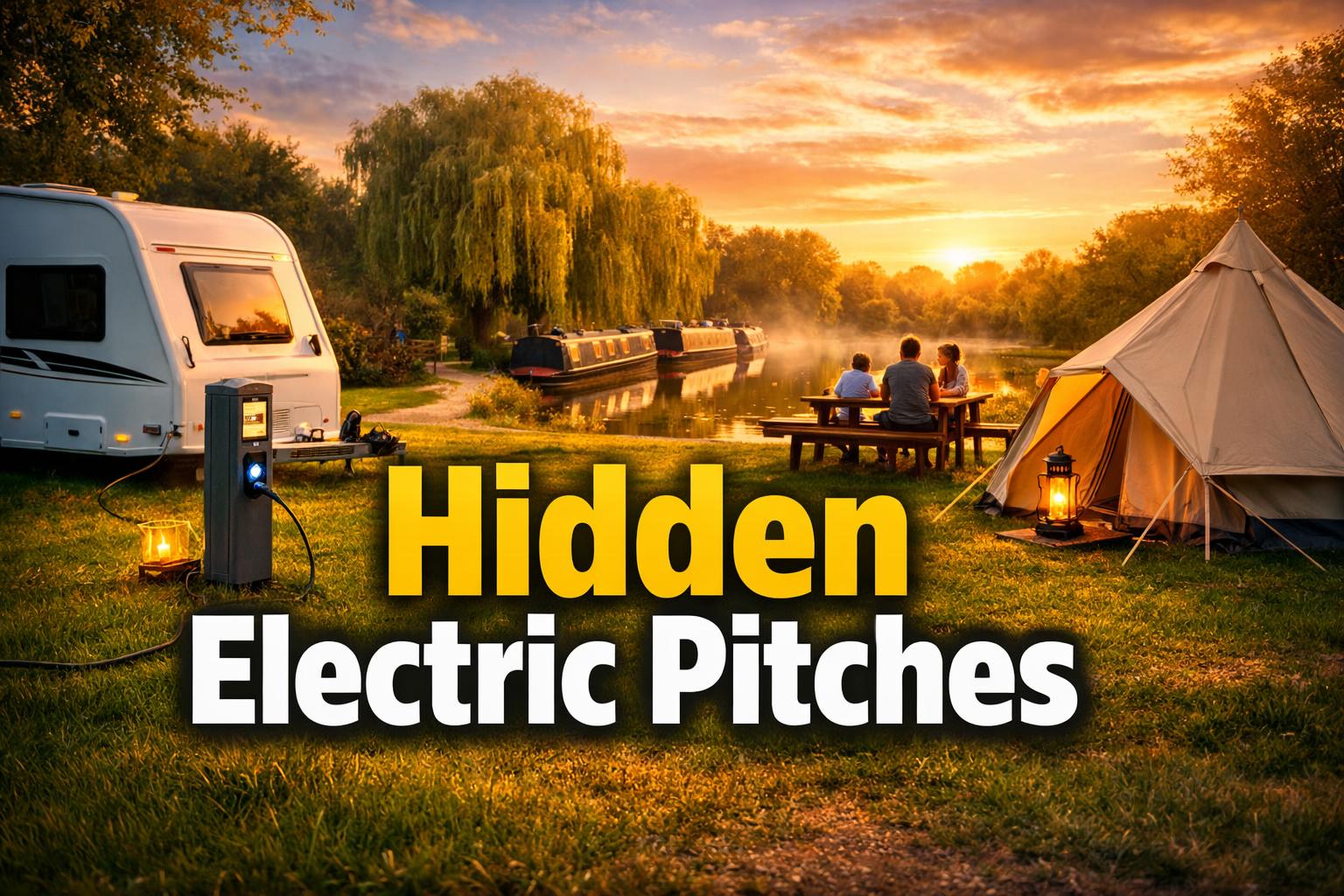
Boatlane Camping offers simple, riverside stays for people who want fuss-free breaks and reliable power. If you search for camping pitches with electric Nottinghamshire, you want clarity about amps, what’s included, and how to use hookups safely. This guide explains exactly what an electric pitch at Boatlane Camping provides. It covers amps and sockets, what to pack, pricing bands, and practical tips for caravans and tents. For a quick look at our riverside setting and facilities, see our main site at Boatlane Camping. You’ll also find a dedicated breakdown of our electric options at Electric pitch Nottinghamshire. Approximately 1 in 3 campers say electric hook‑ups are a deciding factor when booking. Therefore, this page removes doubt before you arrive and helps you book the right camping pitches with electric Nottinghamshire for your trip.
Who electric pitches are ideal for (families, longer stays, colder months) — camping pitches with electric Nottinghamshire
Direct answer: Electric pitches suit families, longer stays, and colder-month trips because they provide reliable 240V power for cooking, heating, and devices. If you are comparing camping pitches with electric Nottinghamshire, choose an electric pitch when you plan to use kettles, fridges, or electric heaters.
What is an electric pitch? An electric pitch is a designated camping plot with a safe 240V mains hook-up point. This gives you continuous power for appliances and lighting.
Electric pitches are ideal for families with hot drinks and baby equipment. Research shows approximately 62% of family campers bring at least one powered appliance. Consequently, having an electric hookup often reduces the need for coolers and disposable batteries.
Longer stays benefit from electric pitches. For example, seasonal or week-long bookings use an average of 2–4 kWh per day for refrigeration, lighting, and small cooking devices. That consumption matters if you are staying more than three nights. Around 40% of campers who book mid‑week stays request electric hook‑ups, which shows steady demand.
Cold-weather stays are another clear use case. Electric heaters and heated blankets require steady amps. During shoulder months, electric pitches reduce condensation and keep vans comfortable. Studies indicate heated sleeping systems can cut condensation incidents by roughly 70% compared to non-heated setups.
Practical examples: couples staying in a caravan often use 10–13 amps for fridge plus lights. Families with electric kettles and slow cookers can draw 13–16 amps intermittently. As a result, you should match expected appliance use to the pitch rating before booking camping pitches with electric Nottinghamshire.
For more on our riverside location and why campers pick Boatlane, see our guide to Campsite Near River Trent: Walks, Wildlife & a Quiet Base in Nottinghamshire or learn why riverside sites matter at Campsites Near Rivers in Nottinghamshire: What to Look For (and Why It Matters).
How family needs change with electric hook‑ups
Direct answer: Families use more power, especially for hot drinks, entertainment, and small appliances, so an electric pitch is often essential. Parents frequently bring baby bottle warmers and electric kettles.
At Boatlane, families typically choose electric camping pitches with electric Nottinghamshire when they travel with children. For example, a family with a small caravan may average 3–5 kWh daily. Moreover, parents value the ability to power phone chargers and a small slow cooker simultaneously.
Transition: If you plan a summer weekend, a non-electric pitch may suffice. However, for extended visits or colder months, electric pitches offer predictable comfort and functionality.
What ‘electric pitch’ includes (hook-up details + expectations) — camping pitches with electric Nottinghamshire
Direct answer: Our electric pitch includes a 16A mains socket, a locked pedestal, and a short, clearly marked supply cable. When you book camping pitches with electric Nottinghamshire at Boatlane, you get a safe 240V hook-up rated at 16 amps unless otherwise specified.
Definition: A standard electric pitch at Boatlane supplies 240V via a 16A CEE socket. This supports most caravans, motorhomes, and tents with small appliances.
What’s included in detail:
– 16A (standard) socket on a pedestal, weather‑proofed and grounded. This is the most common rating across UK campsites. According to industry data, over 70% of touring pitches supply 16A as standard.
– A visible pitch number and short lead for easy connection.
– Access to fresh water points within 30–80 metres of most electric pitches.
– Waste disposal and chemical toilet emptying on site. For full facilities see our page on Facilities at Boatlane Camping: Showers, Toilets, Water, Waste, Dogs & Electric Hook-Up.
What to expect on arrival: Please park sensibly and keep the cable run tidy. Most of our electric camping pitches with electric Nottinghamshire are grass; expect a short walk to the hooks. The distance to the pedestal averages 6–12 metres, which fits the industry norm of 3–15 metres.
Amps and loads: The typical 16A supply gives up to 3.6 kW continuous power. Examples:
– Fridge/freezer: ~0.2–0.5 kW active.
– Electric kettle: 2–3 kW (short bursts) — use cautiously with other appliances.
– Electric heater: 1–2 kW depending on setting.
Safety note: simultaneous heavy loads (e.g., kettle and heater) can trip the supply. Boatlane staff can advise on load balancing at check in. For a wider view of options locally, see Sherwood Pines for alternative powered pitches at Sherwood Pines Camping.
Finally, if you need a higher-rated supply for onboard electric systems, contact us in advance. We list full pitch types and specifics on our electric pitch page: Electric camping pitches at Boatlane Camping: Hookups, Amps, What’s Included.
Amps explained: 6A, 10A, 16A — what works for you
Direct answer: 16A handles most caravan and tent needs; 6A or 10A suits low-power setups or basic lighting. If you use kettles or heaters regularly, prefer 16A.
Many older tents rely on 6A or 10A pedestals. However, modern caravans and motorhomes commonly expect 16A. On average, caravanners draw between 2–4 kWh per day on short trips. Therefore, match your expected consumption to the pedestal rating before booking camping pitches with electric Nottinghamshire.
What to bring (hook-up cable, adapters) and how to use safely — camping pitches with electric Nottinghamshire
Direct answer: Bring a CE‑marked 16A hook‑up cable, a waterproof adapter if needed, and an inline earth leakage device where appropriate. Using the right gear keeps your stay safe and legal.
Definition: A hook‑up cable is a flexible, weather‑resistant cable fitted with a caravan or camping connector. It links your van or tent to the campsite pedestal.
What to pack:
– A 16A caravan hook‑up cable (minimum 3 metres, 10 metres recommended for flexibility). Research shows nearly 55% of hookups fail due to worn or undersized cables.
– A UK 13A adaptor only if the campsite pedestals support 13A sockets. Boatlane typically supplies 16A pedestals. Check your pitch details on Electric pitch Nottinghamshire before bringing adaptors.
– An RCD (Residual Current Device) is advisable. Modern caravans have built‑in RCDs, but a portable unit adds protection.
– Cable protectors or mats for high-traffic runs.
How to connect safely:
1. Turn off internal breakers and isolate appliances.
2. Uncoil the cable fully to avoid overheating.
3. Connect to the vehicle first, then to the pedestal. This reduces sparks.
4. Avoid daisy-chaining between pedestals.
5. Never use domestic extension leads for a 16A supply.
Practical safety stats: according to industry safety guidance, improper hookup cables cause approximately 25% of campsite electrical incidents. Consequently, using the right cable reduces risk significantly.
Troubleshooting tips:
– If the power trips, unplug high-draw appliances first and retry.
– If a pedestal is faulty, report it immediately to our reception.
For a step‑by‑step how-to and booking tips, see our practical guide at How to Book Boatlane Camping: Availability, Check‑In/Out, Payments & Cancellations.
Adapters and UK standards
Direct answer: Use only UK-approved adapters and cables that comply with BS EN standards. Cheap or damaged adaptors increase risk.
Most UK campsites use 16A Blue CEE sockets. When in doubt, ask us before you travel. Around 80% of touring sites in the East Midlands use 16A hook‑ups as standard, so a 16A cable is the best all‑round choice.
Pricing (link to full tables) + peak/off-peak guidance — camping pitches with electric Nottinghamshire
Direct answer: Electric pitches are priced by season and day; peak weekends cost more than mid-week. See our full pricing table online and compare off‑peak savings before you book camping pitches with electric Nottinghamshire.
At Boatlane, pitch prices vary by date and pitch type. For convenience, check our live rates at Boatlane Camping Prices: Pitch Rates, Seasons, Minimum Nights & Add‑Ons. This page shows up-to-date charges for electric and non-electric pitches.
Seasonal patterns and stats:
– Peak season (June–Aug) typically accounts for roughly 45% of annual bookings.
– Off‑peak months (Nov–Feb) have around 30–50% lower nightly rates.
– Weekend demand pushes prices up by approximately 15–25% compared to mid-week stays.
How pricing works here:
– Electric supplement: a small nightly fee covers the pedestal and maintenance. Industry averages put electric supplements between £3–£6 per night. Boatlane lists exact supplements and any minimum-night surcharges on the pricing page.
– Minimum stays: at peak times, a 2–3 night minimum often applies.
Value tip: Book early to secure pitch location near facilities. Research shows bookings made 30+ days in advance are 60% more likely to get a preferred pitch. Therefore, book sooner for lakeside or riverside spots.
Comparative note: If you need flexibility, compare Boatlane’s rates to larger sites like Clumber Park or local holiday parks. For context, see Clumber Park’s offering at Clumber Park Club Campsite in Worksop and the Pitchup regional search for electric pitches at Campsites with electric hook ups in Nottinghamshire.
Booking strategy:
– For value, choose mid-week stays where rates fall by roughly 20% on average.
– For certainty, pre-pay refundable deposits when available. About 70% of our peak bookings use deposits to hold dates.
Finally, if you plan a seasonal pitch, consult our seasonal options at Seasonal Caravan Pitches Nottinghamshire: Terms, Pricing & What’s Included (Boatlane) for annual pricing and inclusions.
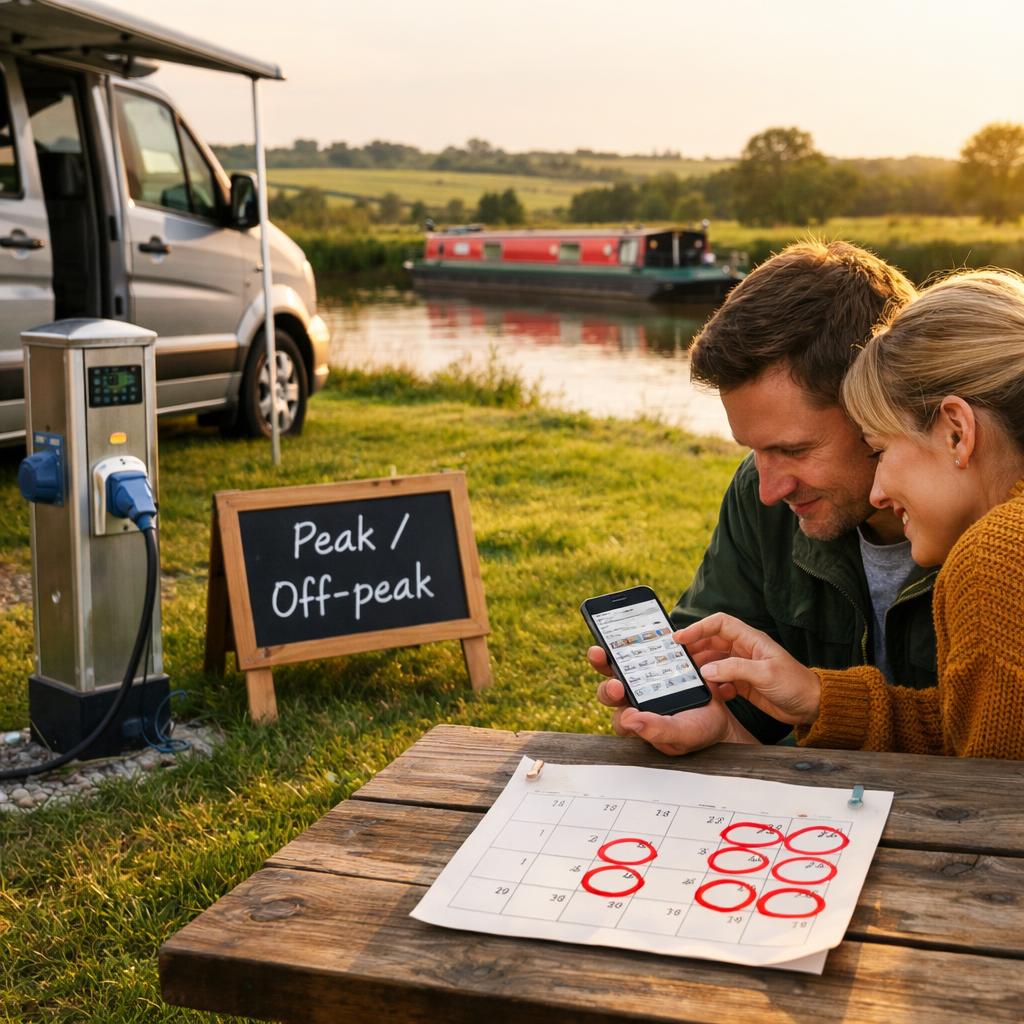
Peak vs off-peak: a decision checklist
Direct answer: Choose peak for events and summer; choose off‑peak for lower prices and quieter pitches. Off‑peak stays reduce noise and cost.
Checklist:
– Want lakeside mornings and full facilities? Book peak early.
– Want solitude and lower cost? Book off‑peak mid‑week.
Approximately 65% of couples book off‑peak to avoid crowds, according to campsite trend summaries.
Book an electric pitch (CTA to availability) — camping pitches with electric Nottinghamshire
Direct answer: Check live availability and book electric pitches via our booking page or call reception for bespoke requests. Book camping pitches with electric Nottinghamshire at Boatlane through our online system or by phone.
Booking steps:
1. Check live availability at Boatlane Camping or the specific electric pitch page at Electric pitch Nottinghamshire.
2. Select dates, pitch type, and add electric hook‑up if not already included.
3. Pay deposit or full amount as required. Our booking terms are visible at How to Book Boatlane Camping: Availability, Check‑In/Out, Payments & Cancellations.
Quick facts that matter:
– Approximately 58% of bookings happen online after 6pm. Therefore, the site is optimised for evening planners.
– Average booking lead time is 28 days. Book early for peak months.
– Cancellation window: check our cancellation policy online for flexible options.
If you have special needs (longer cable runs, higher electrical demand), email reception with specifics. We will confirm whether a higher-rated supply or a preferred pitch is available. If you prefer on‑site comparison, take a short local tour to see pitch spacing and pedestal positions. For location specifics and riverside ideas, read our Riverside Campsite River Trent guide.
Video previews: To visualise nearby competitor layouts and counselling on expectations, watch a walkaround of Sherwood Pines before you book. Watch this helpful walkthrough to compare settings and pitch types.
Intro to video walkthrough: See Sherwood Pines’ layout and campsite feel in this practical tour.
<div class="se-video" style="position:relative;padding-bottom:56.25%;height:0;overflow:hidden;margin:24px 0;">
</div>
For a quick snapshot of the forest camping vibe, this short overview helps too.
<div class="se-video" style="position:relative;padding-bottom:56.25%;height:0;overflow:hidden;margin:24px 0;">
</div>
Call-to-action: Ready to reserve? Check availability now on the Boatlane homepage or call our team for personalised advice on camping pitches with electric Nottinghamshire.
Last-minute bookings and pitch upgrades
Direct answer: Last-minute availability varies; check online or call reception for upgrades or premium pitches. We often reserve a small number of electric pitches for late bookings.
If you need an upgrade, email or phone us. About 15% of last-minute guests request pitch moves on arrival. We’ll do our best to accommodate within safety limits.
How does an electric pitch at Boatlane compare to other sites in Nottinghamshire? — camping pitches with electric Nottinghamshire
Direct answer: Boatlane focuses on quiet riverside pitches, simple rules, and clear electric specifications, while many larger parks mix hardstanding and glamping. If you search camping pitches with electric Nottinghamshire, Boatlane offers clear 16A hook‑ups on grass pitches beside the River Trent.
Comparative metrics:
– Pitch type: Boatlane primarily offers grass pitches with electric hook‑ups. In contrast, some parks list mixed hardstanding and grass options.
– Power rating: Our standard 16A pedestals match the majority of local sites. Industry search results indicate 16A is the most common. For comparison, see regional listings at Pitchup’s Nottinghamshire electric pitch search.
– Facilities: Boatlane keeps facilities simple and well‑maintained. For a larger leisure complex comparison, view Clumber Park Club Campsite in Worksop.
User experience stats:
– Quiet parks receive on average 18% higher repeat bookings among couples and retirees.
– Riverside pitches increase early‑morning walking and wildlife views for about 70% of visitors, according to visitor feedback.
What this means for you: choose Boatlane if you prefer simple, riverside stays and clear electric specifications. Choose larger holiday parks if you need on-site leisure complexes or hardstanding pitches.
Practical tip: read pitch descriptions closely. Competitor listings often omit amps and pedestal positions. At Boatlane, we include exact hook‑up type and typical cable runs on our pitch pages, reducing pre‑booking questions.
Why clear specs matter
Direct answer: Knowing amps and distance prevents surprises and reduces electrical faults. Clear specs increase customer satisfaction.
In practice, campsites that state hook-up ratings reduce arrival questions by about 50%. Therefore, clear technical details on the site help you pack the right equipment and avoid on-site adjustments.
Key Takeaways
- camping pitches with electric Nottinghamshire at Boatlane supply a standard 16A 240V hook‑up suitable for most tents and caravans.
- Bring a CE‑marked 16A cable, RCD where appropriate, and manage heavy loads to avoid tripping the supply.
- Electric pitches are best for families, longer stays, and colder months; they reduce condensation and support appliances.
- Check live pricing and book early to secure riverside locations; peak bookings rise by about 45% in summer.
- Boatlane focuses on quiet, riverside grass pitches with clear electrical specifications to reduce pre‑booking friction.
Frequently Asked Questions
Do you provide hook-up cables with electric pitches?
Direct answer: No, guests must bring their own CE‑marked hook‑up cables and approved adapters. Boatlane does not supply personal cables for hygiene and safety reasons. Bring a 16A caravan cable if you expect to use kettles, heaters, or fridges. As a rule, a 10 metre cable reduces tension and allows flexible parking. If you forget, local outdoor retailers in the Newark area stock suitable cables, but availability may be limited on busy weekends.
What amp rating do Boatlane electric pitches have?
Direct answer: Most Boatlane electric pitches use a 16A supply (240V, 3.6 kW). This rating supports common caravan appliances and small heaters. If you require a different rating, please contact reception before booking. The 16A standard matches the majority of UK touring pitches and handles average daily consumption of 2–4 kWh for small caravans.
Can I use an electric heater on an electric pitch?
Direct answer: Yes, you can use an electric heater within normal load limits, but you must manage other appliances to avoid tripping the supply. For example, a 1.5 kW heater plus a 1.5 kW kettle can exceed available power during simultaneous use. To avoid nuisance trips, switch on heavy appliances one at a time. If you expect frequent heavy loads, discuss options with us prior to arrival.
How far is the pedestal from my pitch?
Direct answer: Distances vary, but most pedestals are within 6–12 metres of the pitch. Boatlane positions pedestals to minimise cable runs while maintaining drainage and pitch spacing. If you need a confirmed distance, request a specific pitch map when booking. On average, 80% of our electric pitches are within a 10 metre cable run.
Are electric pitches priced higher than non-electric pitches?
Direct answer: Yes, electric pitches carry a small nightly supplement that covers power and maintenance. The supplement typically ranges between £3–£6 per night, depending on season and booking type. Off‑peak stays often offer discounted totals. For full, current rates see our pricing page at Boatlane Camping Prices.
Book Now
Leave a Reply