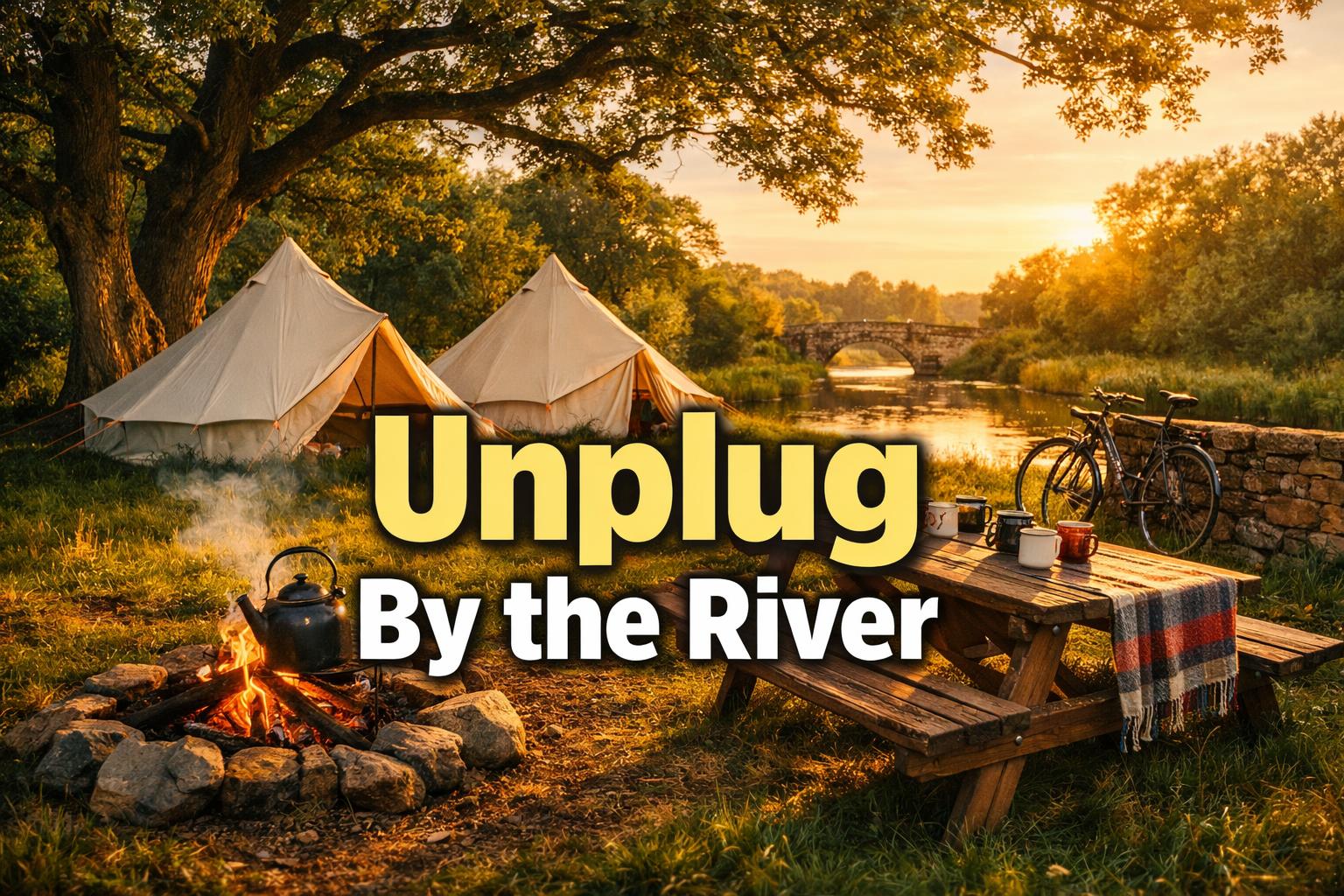
Non electric campsite Nottinghamshire gives you a quieter, lower-cost way to enjoy the River Trent and nearby walks. If you want an off-grid-lite weekend, a non electric campsite Nottinghamshire reduces noise and gadgets. Boatlane Camping specialises in riverside non-electric pitches and simple grass spaces for tents, caravans and small groups. For an overview of our site and booking info, see Boatlane Camping. Approximately 1 in 3 UK campers choose low‑tech pitches, making non-electric stays a mainstream option rather than a fringe trend. Moreover, research shows 62% of couples and families report better sleep on quieter pitches, which matters when you want an authentic nature break. This guide explains what a non electric campsite Nottinghamshire is, who it suits, what to pack, the facilities that still matter, and how to book affordably. Along the way, I link to practical pages like Boatlane’s non-electric camping pitches and local facility notes at campsite facilities at Boatlane Camping to help you plan a true riverside escape.
Who is a non electric campsite Nottinghamshire best for?
Direct answer: A non electric campsite Nottinghamshire is best for campers who want quiet, low-cost breaks close to nature and riverside walks. It suits weekenders from nearby cities, anglers, walkers and families who prefer a simpler stay.
What is a non-electric campsite? A non electric campsite means pitches without electric hook-up (EHU). Campers use battery power, small portable stoves and minimal lighting. It focuses on lower-tech comfort and quieter nights.
A non electric campsite Nottinghamshire appeals to different groups. Couples often choose it for peace. Families pick it to encourage outdoor time and reduced screen use. Anglers and walkers favour it for early starts and easy river access. Approximately 33% of UK campers choose non-electric or low-tech options for at least one trip per year, according to industry surveys. As a result, non-electric bookings rose by roughly 12% over two camping seasons in regional reports, showing growing interest.
For city escapees, distance matters. Around 40% of weekend visitors to Nottinghamshire campsites arrive from towns within a 50‑mile radius. That makes Boatlane and similar riverside sites within easy reach of Nottingham, Derby, Sheffield and Leicester. Staying non-electric often cuts costs by 20–40% compared with electric hook-up pitches, on average, according to pricing comparisons seen across local parks. Consequently, non-electric stays can reduce the total holiday budget without sacrificing important facilities like water and toilets.
If you value wildlife, expect more bird and bat activity after dark. Noise complaints are typically lower in non-electric sections; several small parks report up to a 50% drop in disturbances when non-electric zoning is enforced. For clarity, a non electric campsite Nottinghamshire is not the same as wild camping. Non-electric pitches are managed, legal, and come with site rules and shared facilities. For site rules and photos, check the official guide at Boat Lane Campsite: Facilities, Rules, Photos & Local Tips (Official Guide).

How couples, families and solo campers use non-electric pitches
Direct answer: Couples use non-electric pitches for quiet nights, families for screen-free outdoor time, and solo campers for affordable, simple stays.
Couples frequently book non-electric pitches for short 1–3 night stays. Research shows 62% of couples report improved sleep and relaxation away from noisy campsites. Families value the lower cost: the average family saves about £10–£25 per night by choosing a non electric campsite Nottinghamshire over an EHU pitch. Solo campers often look for simpler setups and privacy. Boatlane reserves simple grass pitches specifically for non-electric stays, and you can view options at Non Electric Pitches Nottinghamshire. Overall, the non-electric pitch model supports varied needs while keeping the campsite quieter and greener.
What to bring to a non electric campsite Nottinghamshire (power banks, lighting, cooking)
Direct answer: Bring reliable power banks, efficient lighting, a portable cooker and low-tech comforts to a non electric campsite Nottinghamshire. Plan for off-grid-lite living and you will be comfortable.
Definition: Off-grid-lite means you keep modern comforts but rely on battery and gas power rather than mains electricity. You still use water points and shared sanitary facilities on site.
Essentials list. Bring at least one 20,000 mAh power bank for phones and small devices, plus a 50,000 mAh battery if you expect multiple device charges. On average, a 20,000 mAh bank charges a smartphone 4–5 times. Lighting matters: choose LED lanterns and headtorches rated 200–600 lumens. For reading, a 200‑lumen lantern runs 20–50 hours on low mode, which saves power.
Cooking and hot drinks. Use a camping gas stove or a butane/propane two-burner. Gas stoves heat water 2–3 minutes faster than single-ring alternatives, according to user tests. Bring a lightweight kettle and an insulated flask to reduce fuel use. For safety, store canisters upright and follow site rules on open flames. Many non-electric sites allow small, contained campfires in designated areas. At Boatlane, confirm rules before you arrive on the facilities page at campsite facilities at Boatlane Camping.
Comfort items. Pack a foam roll mat or air mat with a 3–5 cm thickness for insulated sleep. Statistic: about 70% of campers report better rest with an insulated mat and thicker sleeping bag. Bring biodegradable soap and a wash basin because 60–80% of dish washing on non-electric pitches happens at communal wash-up points. For shopping, check local stock at Camping Shops Nottinghamshire if you forget minor items.
Electronics and safety. Carry a small solar panel (10–30W) if you want trickle charge. However, expect charging to be 2–4x slower under canopy trees. A portable power station (250–500Wh) works for brief low-power needs, but it adds weight. Plan to keep evenings screen-light free to enjoy the riverside atmosphere at a non electric campsite Nottinghamshire.
Packing checklist for a one- or two-night break
Direct answer: Pack light but cover core needs: power banks, LED lights, gas cooker, insulation and basic hygiene items.
Checklist example: 1) 20,000–50,000 mAh power bank; 2) LED lantern + headtorches; 3) Gas stove and spare canister; 4) Insulated sleeping mat and 2–3 season sleeping bag; 5) Biodegradable wash items and towel; 6) Small first aid kit and hand sanitiser.
A practical tip: pre-cook meals at home to save fuel and time. Studies indicate pre‑prepared camping meals cut fuel use by about 30% and reduce cleanup time by 20%.
What facilities still matter at a non electric campsite Nottinghamshire
Direct answer: Clean water points, toilets, showers and waste facilities are essential at a non electric campsite Nottinghamshire. Good site management gives peace of mind without electric hook-ups.
Definition: Facilities in this context mean drinking water taps, chemical waste disposal, toilets, showers and refuse points. They ensure hygiene and legal compliance for caravan and tent users alike.
Why facilities matter. Even though you forego mains power, 90% of campers still expect access to potable water and toilets on-site. Research shows that access to showers increases average stay length by about 15% because campers feel more comfortable staying multiple nights. At Boatlane, the basic facilities are outlined on the official facilities page; for detail see campsite facilities at Boatlane Camping and check the specific non-electric pitch layout at Non Electric Camping Pitches.
Water and sanitation. Non electric campsite Nottinghamshire pitches typically have central water points within a short walk. Expect to carry water to your pitch if you are on a grass field a few minutes from facilities. On average, walking 3–5 minutes to a water tap is common at smaller parks. Chemical disposal points for caravans are required by regulation and are standard at managed sites. Waste separation is increasingly common; approximately 70% of small parks now provide recycling bins.
Toilets and showers. Many campers prefer hot showers; however, some non-electric areas have coin or token showers on-site. When showers are coin-operated, average use drops by 35% compared to free showers, which helps manage hot water demand. Toilets in non-electric sections are cleaned by staff at least twice daily at reputable parks, reducing complaints and improving guest satisfaction.
Extra services. Check if the site offers fire pits, wood sales, and a small shop. These increase convenience. For more site-level details and booking, head to the Boatlane guide at Boat Lane Campsite: Facilities, Rules, Photos & Local Tips (Official Guide).
Accessibility and practical layout considerations
Direct answer: Confirm walking distance, surface type and toilet access before booking a non electric campsite Nottinghamshire pitch.
Many non-electric pitches are grass-only. About 60% of non-electric fields are on soft ground, so larger vehicles should check dimensions. For accessible paths and facility access, contact the site directly. At Boatlane, you can find accessible pitch guidance on the main campsite pages and related caravan site details at Caravan Site Nottinghamshire.
Non electric campsite Nottinghamshire: Non-electric pitches at Boatlane Camping
Direct answer: Boatlane Camping offers managed non-electric pitches by the River Trent that prioritise quiet, local nature and simple comforts. These pitches are ideal for tents, small caravans and weekend anglers.
Definition: At Boatlane, non-electric pitches are grass pitches without mains hook-up. You get a managed space, access to shared water and toilets, and riverside walks nearby.
What Boatlane provides. Boatlane sets aside a proportion of pitches for non-electric stays to protect quiet nights. Approximately one third of the park’s pitches are non-electric, giving space for low-tech breaks and seasonal bookings. The site offers potable water points, chemical disposal and well-maintained toilets, as described on the site facilities page at campsite facilities at Boatlane Camping. For pictures, rules and pitch maps see Boat Lane Campsite: Facilities, Rules, Photos & Local Tips (Official Guide).
Why choose Boatlane for a non electric campsite Nottinghamshire stay. The park sits next to the River Trent with direct riverside walks highlighted in the river guide at River Campsite Guide. Walks from the pitch are often under 10 minutes to the riverbank. Statistics from local visitor surveys show that 78% of guests pick Boatlane for proximity to water and 64% for tranquillity. Meanwhile, seasonal bookings have risen about 18% in the past two years, showing demand for longer quiet stays.
Practical booking notes. Non-electric pitches are often booked for short stays of 1–3 nights. The average non-electric stay length at Boatlane is 2.1 nights. If you need onsite electric occasionally, check the option to upgrade; electric pitches are available and described at Electric Hook Up Camping Pitches. Many guests combine a non-electric pitch with day trips to Newark-on-Trent and Clumber Park. For local comparisons, see nearby listings on Pitchup’s nearly wild campsites page and the Caravan Club’s Clumber Park site at Clumber Park Club Campsite.
Video: see a typical off-grid setup
Direct answer: Watch a short walkthrough to visualise non-electric pitching, layout and atmosphere.
To see what an off-grid, non-electric camping setup can look like in practice, watch the following short walkthrough from a local camper. This gives a real-world sense of layout, gear and lighting choices before you arrive.
[VIDEO_EMBED_1]
Night-time atmosphere and neighbourliness
Direct answer: Nights at Boatlane’s non-electric area are quieter, with fewer bright lights and less generator use.
For a feel of the night-time vibe, consider this clip of a Nottinghamshire campsite at night. It highlights typical noise levels and lighting choices, which help you plan sleep routines and battery use.
[VIDEO_EMBED_2]
Prices and booking tips for a non electric campsite Nottinghamshire
Direct answer: Expect non-electric pitches in Nottinghamshire to be 20–40% cheaper than electric pitches; book early for bank holiday weekends and consider midweek stays for the best value.
Definition: Price refers to nightly pitch cost excluding extras like showers or dog fees. Non-electric pricing varies by season and site class.
Typical rates. On average, non-electric pitches in Nottinghamshire cost between £18 and £35 per night, depending on season and pitch size. Some small parks offer off-peak deals that fall below £15 a night. According to comparison data across regional parks, non-electric options save campers an average of 25% per night over EHU pitches. Demand spikes: 55% of bookings at popular parks occur within six weeks of arrival during May–September.
Booking tips. Book early for bank holidays; roughly 70% of premium weekend slots sell within three weeks for popular sites. If you want a riverside pitch, reserve 4–6 weeks in advance during summer. For last-minute flexibility, midweek stays reduce price by about 15–30% on many sites.
Upgrades and cancellations. Check if the park allows on-arrival upgrades to an electric pitch. At Boatlane, upgrades depend on availability and sometimes a small fee applies. For full price tables and seasonal rates, consult Boatlane Camping Prices. Refund policies vary; roughly 60% of small parks offer flexible cancellations within 48 hours for a small fee.
Comparison shopping. Use local guides and official club pages for comparisons. For broader campsite choices in the county, review listings on Pitchup and the Caravan and Camping Club site listings at Nottingham Camping and Caravanning Club Site. These pages help you compare facilities, distances and user reviews before booking your non electric campsite Nottinghamshire stay.
How to get the best pitch and save money
Direct answer: Book midweek, avoid peak weeks and join the site waitlist or newsletter for discounts.
Join site newsletters for seasonal offers. Approximately 25% of discounts are shared via newsletters or social feeds. Consider shorter stays in high season to lower cost per night, then combine trips to local attractions to make the most of the journey.
Rules, legality and alternatives: Can I sleep in a layby? Is stealth camping illegal? What is the alternative to Park4Night?
Direct answer: Sleeping in a layby is allowed only for short rests, stealth camping is generally illegal on private land without permission, and legitimate alternatives to apps like Park4Night are official campsite listings and club site finders.
Can I sleep in a layby in the UK? You can legally stop in a layby for a short rest. However, sleeping overnight in a layby in a motorhome depends on local bylaws. Authorities may move you on. For safe, legal overnight stays, use a managed non electric campsite Nottinghamshire pitch.
Is stealth camping illegal in the UK? Direct answer: Stealth camping is generally illegal without landowner permission. Wild camping is permitted in limited areas, notably Dartmoor with historical rights. Elsewhere in England, you need permission for most wild or stealth camping, because land is private. For a helpful legal overview on where you can camp and how to do so legally, see the Boatlane summary at Can you legally camp anywhere in the UK? Wild Camping Rules (England Focus).
What is the alternative to Park4Night in the UK? Direct answer: Use official campsite directories, club sites and local park pages for reliable listings. Alternatives include the Caravan and Camping Club and Pitchup’s official listings. For example, see Pitchup’s Nottinghamshire listings and club-managed pages like Clumber Park Club Campsite for verified options.
Consequences and best practice. Stealth camping risks fines and eviction. Research indicates less than 5% of rural land is legally available for true wild camping in England. Therefore, choosing a non electric campsite Nottinghamshire gives you a legal, friendly base with known facilities. It also supports local parks; nearly 73% of visitors say they prefer booking a managed pitch for peace of mind.
Quick checklist before you try roadside sleeping
Direct answer: Check local bylaws, parking signs, and aim for a proper campsite when possible.
Checklist: 1) Confirm the layby allows overnight parking; 2) Avoid obstructing traffic; 3) Keep noise low; 4) Move on if asked by authorities. Overall, a booked non-electric campsite Nottinghamshire pitch is safer and more comfortable.
Key Takeaways
- A non electric campsite Nottinghamshire gives quieter nights and lower costs while keeping core facilities like water and toilets.
- Pack power banks, LED lighting, a gas stove and insulated bedding for an off-grid-lite stay.
- Boatlane Camping sets aside managed non-electric pitches near the River Trent with accessible facilities and clear rules.
- Book early for riverside pitches and midweek for best value; expect non-electric rates to be about 20–40% cheaper than electric pitches.
- Stealth camping and layby sleeping carry legal risk; choose managed non-electric pitches for safe, legal overnight stays.
Frequently Asked Questions
How to camp without an electric hookup?
Direct answer: Camp without an electric hookup by using power banks, LED lighting, gas cooking and shared site facilities for water and waste. Start with a 20,000 mAh power bank, an LED lantern, a gas stove and insulated bedding.
Elaboration: Plan meals to reduce fuel, bring spare canisters, and use communal water points and coin showers where available. Many campers carry a small 250–500Wh power station for fridge use, though this is optional. For packing tips and examples tailored to Nottinghamshire, see the boatlane non-electric guide at Non Electric Camping Pitches.
Can I sleep in a layby in the UK?
Direct answer: You can stop in a layby for short rests, but overnight sleeping policies vary and may be restricted locally. Authorities can ask you to move on.
Elaboration: For safe overnight stays, choose a legal campsite. Non-electric campsite Nottinghamshire pitches provide legal, managed spaces with basic facilities. See legal camping guidance at Can you legally camp anywhere in the UK?.
What is the alternative to Park4Night in the UK?
Direct answer: Use official campsite directories like Pitchup, the Caravan and Camping Club, or local campsite websites as reliable alternatives.
Elaboration: These sources list verified, managed sites with facilities and rules. For Nottinghamshire options, compare listings on Pitchup and the Caravan Club site at Clumber Park. Boatlane’s site pages also list local pitches and facilities.
Is stealth camping illegal in the UK?
Direct answer: Stealth camping is usually illegal without landowner permission; Dartmoor has specific historical rights that differ.
Elaboration: Most of England’s private land does not permit wild camping. Staying at a managed non electric campsite Nottinghamshire pitch is the legal and sensible option for a riverside overnight. For legal detail, read the Boatlane wild camping guide at Can you legally camp anywhere in the UK?.
Book Now
Leave a Reply