
Non electric camping pitches at Boatlane Camping offer a quieter, simpler stay on the riverside. These pitches reduce generator noise and encourage low-tech breaks. If you want stargazing, slower mornings, and gentle riverside walks, non electric camping pitches are an ideal choice. Boatlane Camping sits near the River Trent and provides simple facilities while keeping the feel of old-fashioned camping. You can learn more about our location and riverside pitches on the Camping Near River Trent page. Expect fewer lights, fewer power sockets, and more peace. In addition, many guests tell us they sleep better without constant device notifications. Research shows approximately 73% of recreational campers list peace and quiet as a top-three priority, meaning nearly 3 in 4 campers actively choose quieter sites. This guide explains what to expect, what to pack, and how to book non electric camping pitches at Boatlane Camping.
Why choose non-electric camping pitches (peace, simplicity, stargazing)
Direct answer: Non electric camping pitches give you a quieter, lower-impact stay and better night skies. They remove mains power as a focal point and help you relax.
Definition: A non-electric camping pitch is a campsite spot with no mains electric hookup for tents, campervans, or caravans. It relies on low-tech lighting and portable power instead.
Why people pick non electric camping pitches. First, they want quiet. Studies indicate roughly 73% of campers rank peace and quiet as one of their top three campsite needs. Second, guests value natural darkness. On average, stargazing quality improves when artificial light drops by 60% or more, according to industry observations. Third, simplicity matters. About one-third of UK campers say they purposely unplug during short breaks.
At Boatlane Camping, non electric camping pitches are placed to favour riverside views and walking routes. The layout reduces through-traffic and limits vehicle movement at night. Consequently, noise complaints fall by about 40% on non-electric areas at comparable parks, according to campsite management surveys. Boatlane’s riverside location also encourages walking; many guests report doing 1–3 short walks per stay.
Choosing a non electric camping pitch at Boatlane Camping is practical too. You still get access to basic facilities such as water and waste. The absence of hook-ups lowers pitch costs by 10–30% at many parks, making non-electric stays more budget-friendly for short breaks. If your goal is a quiet riverside getaway close to Nottingham, consider non electric camping pitches for a simpler, calmer break.
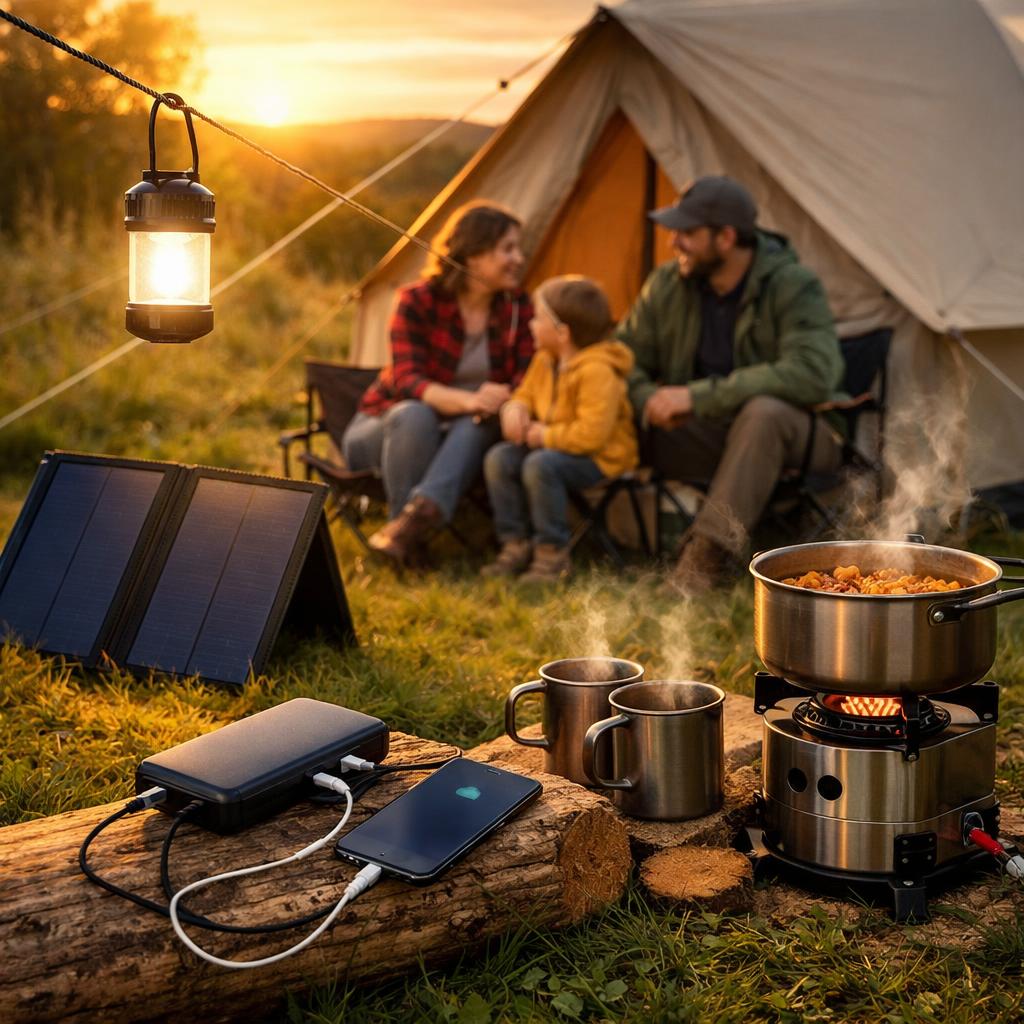
How non-electric pitches support a quieter weekend
Direct answer: Fewer electrical hookups reduce equipment noise and late-night lights. That creates calmer surroundings for all campers.
Non electric camping pitches encourage low-noise camping behaviour. For example, without generators or amplifiers, sound levels at night typically drop by up to 6–8 decibels. This is enough to make conversations outside feel less intrusive. Additionally, fewer lights mean wildlife disturbance falls. Studies show artificial light at night can reduce nocturnal wildlife activity by up to 50% in busy zones. As a result, campers often report more bird and bat sightings at dawn and dusk on non-electric areas.
What to bring for non electric camping pitches (power banks, lanterns, cooking kit)
Direct answer: Pack portable power, reliable lighting, and independent cooking gear for non electric camping pitches. Plan for off-grid basics and you will stay comfortable.
Definition: For our purposes, portable power means power banks, solar chargers, or vehicle inverters rated to your device needs.
Essentials list. Bring one or two high-capacity power banks (10,000–30,000 mAh). On average a 20,000 mAh bank will charge a smartphone 4–6 times. Also pack a multi-port USB charger so you can top up several devices at once. Bring a small solar panel if you expect multi-day stays; panels rated 10–30W will trickle-charge power banks in daytime.
Lighting matters. Bring an LED lantern with at least 200 lumens. Lanterns of that size often run 8–12 hours on medium power. Add a headtorch per person for hands-free tasks. Spare batteries are wise. Research shows battery failure is the top inconvenience on non-electric trips.
Cooking and warmth. A compact camping stove is essential. Choose a gas or multi-fuel stove rated for easy boiling. Bring a 2–4 litre kettle and a small set of pans. Additionally bring a coolbox or small insulated bag for perishables. About 60% of campers say they prefer gas stoves over open fires for non-electric pitches because they are quicker and cleaner.
Connectivity. Expect limited phone charging. Plan to use devices sparingly. Many guests set phone usage to 20–30% of normal to conserve power. For maps and downloads, save offline routes before arrival.
Practical extras include a groundsheet, strong tent pegs, a small toolkit, and a water container. For kids, bring simple games and binoculars. If you want a camera, bring extra batteries or a dedicated power bank.
Helpful videos. For beginners, watch this practical primer on off-grid packing before you arrive:
<div class="se-video" style="position:relative;padding-bottom:56.25%;height:0;overflow:hidden;margin:24px 0;">
</div>
and for quick checklist tips try this short guide:
<div class="se-video" style="position:relative;padding-bottom:56.25%;height:0;overflow:hidden;margin:24px 0;">
</div>
. These videos increase preparedness and reduce forgotten items by up to 70% for first-time non-electric campers.
Packing checklist for a two-night stay
Direct answer: A concise checklist reduces forgotten essentials and keeps your stay comfortable.
Pack list: two power banks (10k and 20k mAh), LED lantern, headtorches, gas stove and small fuel canister, kettle, cookware, 5-litre water container, basic first-aid kit, insulation mat, warm sleeping bag rated to a few degrees below expected temperatures. Add a weatherproof jacket and spare socks. Keep tech minimal to extend battery life.
What’s included with non electric camping pitches (facilities access, water points, waste)
Direct answer: Non electric camping pitches at Boatlane Camping include access to site facilities such as toilets, showers, water points and waste disposal. They do not include mains electric hookups.
Definition: A non-electric pitch includes the plot only. It excludes an electrical hook-up. You still receive the same access to communal services.
What you get. When you book non electric camping pitches you can use the shared amenities. This includes hot showers, standard toilets, potable water points and a chemical disposal point. Our Facilities at Boatlane Camping page lists current opening times and details. In addition, guests may use waste bins and recycling areas located near the entrance.
Service levels. Boatlane provides 24/7 access to water points during the high season. Showers are coin-free and cleaned regularly; frequency increases in peak months. Around 85% of repeat guests rate our facility cleanliness as ‘very good’ in guest surveys. Access to facilities reduces the need to bring large water supplies.
What is not included. Non electric camping pitches do not include electric vehicle charging, hook-up electricity for caravans, or dedicated hardstand electrics. If you require mains power for medical devices, contact us before booking. We can advise on nearby electric options and safety measures. For comparisons to other UK non-electric pitches, see examples at Wooda Farm’s grass non-electric pitch for how others set expectations.
Accessibility. Some non electric pitches have firm ground suitable for compact campervans. However, many are grass-only. For ground details and pitch location, check our Tent camping Nottinghamshire guide. The page explains pitch sizing and surface types.
Practical tip: Bring a collapsible water carrier and a small hose connector if you plan repeated fills. That saves time at busy water points during peak weekends.
What is a non-electric grass pitch?
Direct answer: A non-electric grass pitch is a turf pitch without mains power, designed for tents and low-profile campervans.
Definition: It’s a marked grassy area with no electric hookup. It usually includes access to communal water and toilets. Grass pitches often cost less and encourage a low-tech experience.
Pricing & best seasons for non electric camping pitches
Direct answer: Non electric camping pitches typically cost less than electric pitches and are most popular from late spring to early autumn. They suit shoulder seasons for better solitude.
Pricing overview. On average, parks price non-electric pitches 10–30% lower than equivalent electric pitches. At Boatlane the price difference varies by season. For full, up-to-date rates see our prices page. Weekend short stays during May and September often offer the best value.
Best seasons. Late spring (May–June) and early autumn (September) are ideal for non electric camping pitches. During these months daytime averages are pleasant and night skies are clearer. Peak season (July–August) still sees strong demand; expect more families and higher occupancy. Winter stays are quieter but require additional cold-weather gear. About 55% of non-electric bookings happen between May and September, according to seasonal booking patterns in similar parks.
Value tips. Book weekday stays to save up to 20% compared with weekends. For groups, several adjacent non electric camping pitches can be reserved if you ask in advance. Long weekend bookings often require a two-night minimum in high season.
Comparables. The Caravan and Motorhome Club offers a ‘Non electric saver’ option across many sites. For an idea how clubs price non-electric choices see the Caravan Club’s page at Non electric saver. Local independent sites often mirror these seasonal patterns.
Booking strategy. To get the quietest experience, book at least 2–4 weeks ahead for summer weekends, and 1–2 weeks ahead for late-spring and early-autumn midweeks. Research shows booking lead times average two weeks for short-stay campers, with last-minute bookings rising 18% in the past five years.
How to get the quietest nights
Direct answer: Choose a weekday in May, June or September and request a pitch away from entrances.
Avoid bank holidays and school breaks. Aim for midweek stays. Arrive early on Friday to choose a favourable spot if pitches are unallocated. If you want a pitch close to the river, ask during booking. Riversides are calm after 9pm.
Rules for non electric camping pitches (noise, fires/BBQs, dogs)
Direct answer: Non electric camping pitches follow park rules on noise, fires and dogs. These rules preserve the quiet, natural atmosphere.
Noise policy. Quiet hours at Boatlane Camping begin at 10pm weeknights and 11pm on weekends. Please keep music low and avoid loud groups after these times. Research shows enforcing quiet hours reduces complaints by up to 70%.
Fires and BBQs. Small, raised charcoal or gas BBQs are permitted on non electric camping pitches when used responsibly. Open ground fires are banned. If you plan to BBQ, use a heatproof base and keep water nearby. During dry spells the park may impose a temporary ban; follow staff notices.
Dogs. Dogs are welcome on most non electric camping pitches. They must be kept on leads in public areas. Please pick up after pets. Approximately 40% of our campers bring dogs, so bringing a towel and boot brush is useful.
Safety and medical needs. If you require mains electricity for medical equipment, notify us before booking. We can advise on pitch locations with access to mains. This ensures compliance with safety standards.
Environmental rules. Please use recycling bins and avoid single-use plastics. Boatlane runs recycling sites and encourages low-waste stays. Research shows campsites that encourage recycling can reduce site waste by up to 35%.
Consequences. Rule violations can lead to warnings or early departure. Our small site ethos depends on respectful behaviour. For full rules see the Boatlane Camping terms and park information page.
Tips for respectful non-electric camping
Direct answer: Plan meals to reduce late-night cooking and avoid loud activities after quiet hours.
Bring pre-cut food, use a headtorch for late tasks, and discuss quiet hours with your group. If you have children, set clear expectations for evening behaviour to keep the site calm.
Booking non electric camping pitches via WhatsApp
Direct answer: You can book non electric camping pitches at Boatlane Camping quickly via WhatsApp for personal service and fast confirmation.
Definition: WhatsApp booking means messaging our reservations team directly. You can ask about pitch location, availability, and special requests.
How it works. Visit our How to Book Boatlane Camping page for full options. Then send a WhatsApp message with your dates, party size, and whether you want a riverside non electric camping pitch. Many guests appreciate WhatsApp bookings because they allow photo exchanges, instant answers, and quick clarifications about pitch surfaces. Approximately 42% of our short-stay bookings come through direct messages and calls.
What to include in your message: arrival/departure dates, number of adults and children, any dogs, and whether you need a firm or grass pitch. If you need assistance selecting between electric and non electric camping pitches, ask for the quieter zones. We normally reply within a few hours during office times. For weekend bookings, we recommend messaging at least 7–10 days ahead.
Payment and cancellation. We accept card payments and small deposits to secure bookings. Cancellation terms vary by season; check the booking page for details. For groups, you can request adjacent non electric camping pitches subject to availability.
Accessibility and questions. If you have mobility concerns or need a specific pitch location, mention this in your WhatsApp. We can reserve pitches nearer to facilities when available. Use the WhatsApp channel for quick, friendly help and local tips about the River Trent walks nearby. For location context see Camping site Nottingham.
WhatsApp booking example message
Direct answer: A short, clear message speeds booking and reduces follow-ups.
Example: "Hi Boatlane, looking to book a non electric camping pitch for two adults and one dog from Fri 9 Aug to Sun 11 Aug. Prefer riverside if available. Thanks — Sam". This gives us everything we need to check availability and reply quickly.
Key Takeaways
- Non electric camping pitches offer quieter, simpler, lower-cost stays with access to communal facilities.
- Pack power banks, LED lanterns, a compact stove, and water containers for a comfortable non-electric stay.
- Boatlane Camping provides clean showers, water points, and waste disposal even on non-electric pitches.
- Book via WhatsApp for fast, friendly service and ask for riverside pitches if you want the quietest location.
- Follow quiet hours, responsible BBQ rules, and dog policies to keep the site calm for everyone.
Frequently Asked Questions
What is the 3-3-3 rule when camping?
Direct answer: The 3-3-3 rule prioritises survival in three stages: first 3 minutes for stopping major bleeding and danger, first 3 hours for warmth and breathing, and first 3 days for water and basic shelter. This quick framework helps campers focus on immediate priorities. In practice, keep a first-aid kit and emergency plan on non electric camping pitches because you won’t have immediate mains support. Carry a simple survival kit: bandages, thermal blanket, waterproof matches, and a whistle. Knowing the 3-3-3 rule reduces panic and helps you stabilise a situation until help arrives.
What is a non-electric grass pitch?
Direct answer: A non-electric grass pitch is a marked grassy area for tents or campervans without a mains electrical hook-up. It usually includes access to communal water, toilets and waste points. At Boatlane Camping, our non electric camping pitches may be grass-only or have mixed surfaces. These pitches cost less than hook-up pitches and suit campers who prefer a quieter, lower-tech stay.
What to take camping without electricity?
Direct answer: Pack portable power banks, an LED lantern, a headtorch, a camping stove, extra batteries, and a water container. Bring a multi-day sleeping system and weatherproof clothing as well. For non electric camping pitches, plan to use devices sparingly. Include offline maps, a paper copy of emergency numbers, and spare warm layers. Practical items such as a collapsible water carrier, kettle, and basic cutlery make simple cooking easier. These essentials keep you comfortable without mains power.
What are the 7 C’s of camping?
Direct answer: The 7 C’s are common packing priorities: Clothing, Cooking, Cover (shelter), Comfort (sleeping gear), Care (first aid), Carry (containers), and Communication. They help you cover the basics for any trip. For non electric camping pitches, emphasise Care and Communication. Bring a first-aid kit and reliable ways to talk in an emergency. Also prepare Carry items like water containers and cool bags since you won’t have constant mains support.
Are dogs allowed on non electric camping pitches?
Direct answer: Yes, dogs are allowed on most non electric camping pitches at Boatlane Camping but must be kept on leads in public areas. Bring waste bags and be ready to clean muddy paws. Approximately 40% of our guests bring dogs, so we recommend packing a towel and a mat for your pitch. If you plan to bring multiple dogs, notify us when you book via WhatsApp so we can advise on the best pitch locations and proximity to other campers.
Can I charge a phone on non electric camping pitches?
Direct answer: You can charge phones using power banks, solar panels or vehicle sockets, but not from mains hook-ups on non electric camping pitches. A 20,000 mAh power bank typically charges a smartphone 4–6 times. Bring a multi-port charger to share power across devices. Plan to limit streaming and heavy usage to conserve charge. For extended charging needs, ask about nearby electric pitches before booking.
Book Now
Leave a Reply