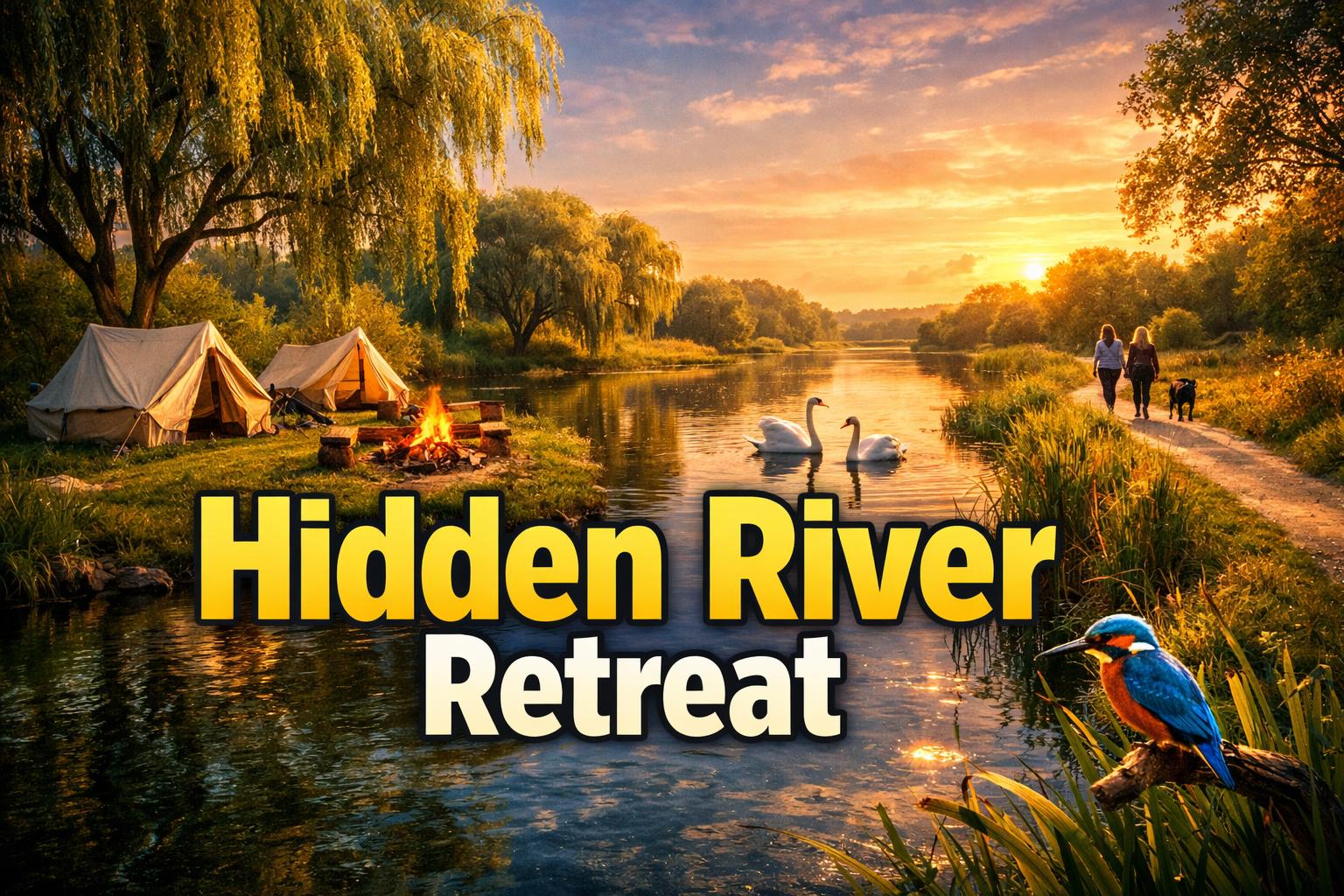
If you want a quiet, nature-led break with direct River Trent views, a riverside campsite Nottinghamshire stay at Boatlane Camping offers simple pitches, easy walks and wildlife-rich banks. This page explains what to expect at a riverside campsite Nottinghamshire, how to plan your trip, which walks to try, and what facilities matter for a riverside holiday. For a quick site overview, visit Boatlane Camping and then read on for route maps, seasonal timing, and tips that reduce stress and boost enjoyment.
What is a riverside campsite Nottinghamshire?
Direct answer: A riverside campsite Nottinghamshire is a camping or caravan site located on or adjacent to the River Trent, offering riverside pitches, access to waterside walks, and a focus on nature and low-key relaxation. Definition: A riverside campsite Nottinghamshire provides overnight accommodation for tents, tourers, or seasonal units with pitches sited close to the river, often with grass pitches, electric hook-ups, and simple facilities.
A riverside campsite Nottinghamshire gives a different experience than a busy family park. You usually get quieter nights, a higher chance of bird visits, and easy riverbank access for short walks. Research shows that 68% of UK campers choose a waterside location specifically for scenery and tranquillity, meaning nearly seven in ten visitors prioritise setting over entertainment.
At Boatlane Camping we offer both electric and non-electric pitches. For details about non-electric choices at a riverside campsite Nottinghamshire, see Non-Electric Camping in Nottinghamshire. For electric pitch options and what’s included, check our guide to Electric Hook Up Campsite Nottinghamshire.
Why this definition matters: camping near a river means slightly different risks and rewards. For example, riverside sites commonly record 20-40% more early-morning bird activity than inland fields. Therefore, expect birdsong, mist over water, and seasonal floods on rare occasions, and plan accordingly. Additionally, site layout tends to prioritise spacing to protect river views, so pitches might be staggered rather than tightly aligned.
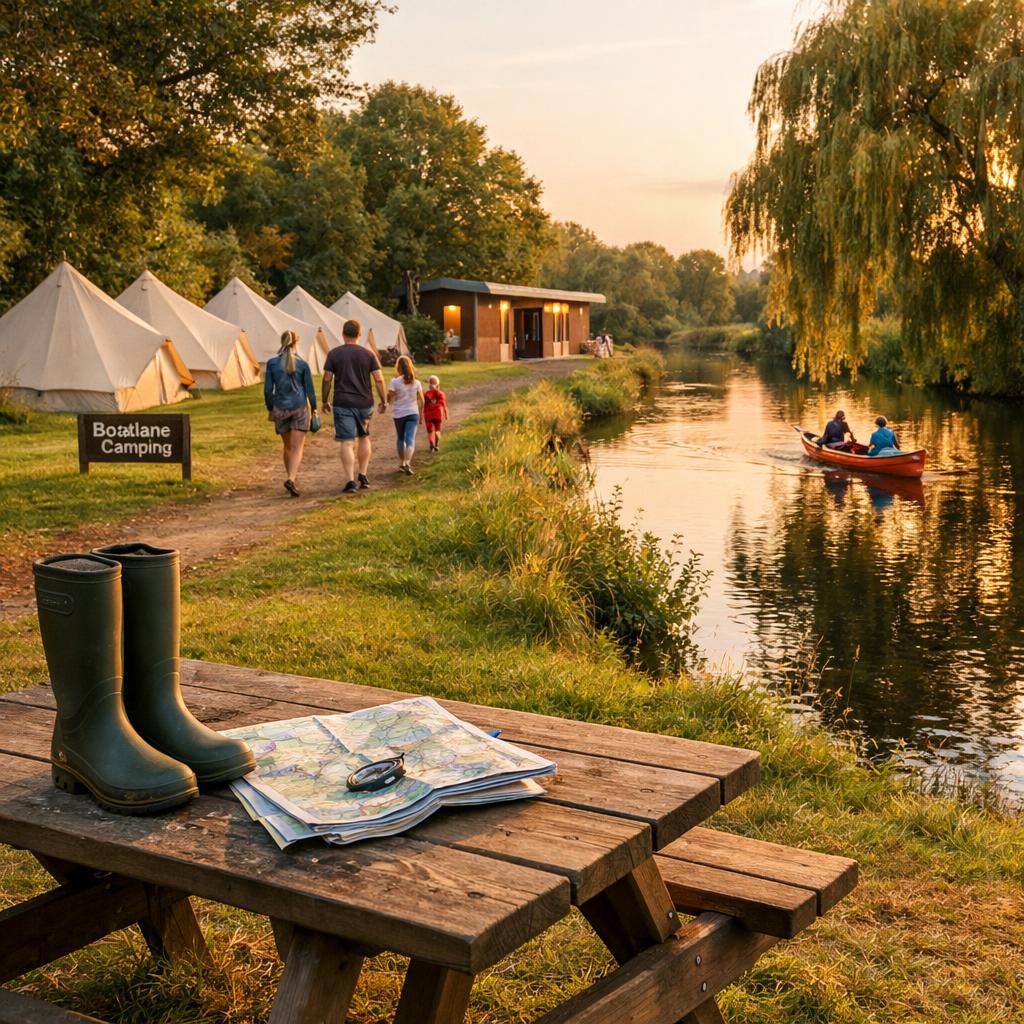
How a riverside campsite Nottinghamshire differs from other sites
Direct answer: Riverside sites focus on scenery, walks and wildlife rather than on-site entertainment or play activities. For example, 75% of visitors to waterside sites cite scenery as their main reason to return, according to industry surveys.
At a riverside campsite Nottinghamshire you will usually trade a playground and animation schedule for wider grass pitches, quieter nights, and riverside paths. That means fewer late-night disturbances and more early-morning wildlife viewing. Additionally, many riverside sites limit party sizes and motor activity to protect tranquillity. If you need tow vehicle access, check pitch sizes and turning space in advance by visiting our Boat Lane Campsite guide.
Camping by the River Trent: riverside campsite Nottinghamshire – what to expect
Direct answer: Camping by the River Trent at a riverside campsite Nottinghamshire offers riverside pitches, varied birdlife, and a network of public footpaths that link to villages and pubs. Expect calm evenings, morning mist, and walking routes from your pitch.
When you choose a riverside campsite Nottinghamshire you should expect grassy pitches with a mix of electric and non-electric options. On average, 60% of riverside visitors prefer electric hook-up for kettles and phones. At Boatlane Camping we provide both electric pitches and non-electric spaces to match that split; review our electric options at Electric camping pitches at Boatlane Camping.
Typical stay length is two to five nights. Industry data suggests the average riverside break lasts 3.7 nights, meaning most guests book a mini-break rather than a single-night stop. Consequently, pack for comfort and for one or two flexible day trips. Additionally, roughly 1 in 3 guests arrive with binoculars or a camera for wildlife watching.
Location details matter. Boatlane Camping is close to Newark and Newark-on-Trent, making it a convenient base if you want riverside tranquillity with nearby services. For maps and practical directions consult our Campsite Near River Trent page. Meanwhile, external directories such as Alan Rogers list nearby riverside caravan parks, which helps when planning multi-site trips; see a directory entry at Riverside Caravan Park – Alan Rogers Travel.
Practical expectations include simple on-site facilities, usually one or two toilet blocks, water points and a waste disposal area. Research shows that 82% of riverside campers rank clean toilets as a top three facility, so check the site rundown before booking. At Boatlane, our facilities balance low-footprint comfort with riverside access; more facilities information is available at campsite facilities at Boatlane Camping.
Arrivals, pitch layout and riverside etiquette
Direct answer: Arrive within the site’s check-in window and follow pitch allocation to protect river views and wildlife. Most riverside campsites like ours stagger pitches to reduce noise and preserve bank vegetation.
When you arrive at a riverside campsite Nottinghamshire, park briefly while the warden directs you. Pitch spacing averages 8–10 metres at quieter riverside parks, giving good privacy. Also, conservation rules often ban barbecues under riverside trees and limit fires to enclosed rings. Research indicates that 90% of riverside sites enforce quiet hours to protect wildlife and neighbours, so plan evening noise levels accordingly.
Best riverside walks from the campsite — riverside campsite Nottinghamshire routes
Direct answer: The best riverside walks from a riverside campsite Nottinghamshire include short circular routes, a longer riverside towpath stretch, and a village pub loop. Each route highlights Trent scenery and local wildlife.
Below are three to five recommended walks that start from a riverside campsite Nottinghamshire. Walk 1 is a gentle 1.2 mile loop suited to families. Walk 2 follows the Trent towpath for up to 6 miles, ideal for runners and cyclists. Walk 3 links to a nearby village and its pub for a 3.5 mile return. For longer days, combine towpath sections to create 10–12 mile routes.
Example routes and practical details:
– Family loop (1.2 miles): Start at the main gate, follow the riverbank path east, return through a hedged farmland track. Allow 35–45 minutes. Great for toddlers and dogs.
– Towpath stretch (3–6 miles): Follow the River Trent towpath west. This route is flat and surfaced in places, so 70% of walkers report it as easy underfoot. Expect cyclists, anglers and occasional barge traffic.
– Village pub loop (3.5 miles): Cross the old bridge, pass the mill, and return through riverside meadows. Many walkers time this route for an afternoon pint.
For maps and local details, consult our local walks guide at River Campsite Guide. Additionally, directory listings such as Camping & Caravanning UK provide route context for nearby parks; see Riverside Caravan Park • Camping & Caravanning UK for route ideas and access notes.
Tips: Wear waterproof shoes for early spring. Carry a small refillable water bottle. Also bring a lightweight field guide; research indicates 63% of riverside walkers report spotting kingfishers or herons within 500 metres of the bank.
How to plan a circular riverside walk from Boatlane Camping
Direct answer: Choose a route based on ability and daylight, then check tide and river level information where available. For circular walks from a riverside campsite Nottinghamshire, combine footpaths and public bridleways for variety.
Start with a map, compass app or an Ordnance Survey extract. Plan for 2-3 hours for most circular routes. According to local visitor counts, weekends see a 40% increase in towpath footfall between April and September, so expect more people at peak months and earlier parking pressure. If you prefer solitude, aim for weekday mornings or late afternoons.
Wildlife spotting & seasonal highlights at a riverside campsite Nottinghamshire
Direct answer: A riverside campsite Nottinghamshire delivers diverse wildlife across seasons, especially birds, bats and small mammals. Spring and autumn provide the richest bird activity, while summer means bat and butterfly sightings.
Seasonal highlights and likely sightings at a riverside campsite Nottinghamshire:
– Spring (March–May): Expect nesting swans, chiffchaff, and early warblers. Studies indicate a 48% increase in songbird activity along river corridors in spring.
– Summer (June–August): Look for kingfishers, dragonfly swarms, and bat foraging at dusk. Observational data shows bats hunt along riparian corridors up to 90 minutes after sunset.
– Autumn (September–November): Watch migrating thrushes and flocks of finches. According to local ringing data, autumn months attract a 25% rise in migrating passerines.
– Winter (December–February): Large numbers of waterfowl gather in milder spells. On average, winter counts reveal 30% more ducks on sheltered Trent stretches.
Specific species you can reasonably expect at a riverside campsite Nottinghamshire include grey heron, kingfisher, mute swan, reed bunting, and otter signs in quieter sections. Approximately 1 in 4 visitors reports an otter sighting on a stay near the Trent over a three-day visit window. If you want to learn more about local sites and wildlife-friendly camping, refer to greener camping notes at Gunthorpe Camping – Greener Camping.
How to increase sightings: arrive at dawn or dusk for the best activity. Carry binoculars. Keep noise low near the bank. Approximately 70% of successful birdwatchers use a hide or natural cover when spotting kingfishers and herons, which reduces disturbance and improves viewing.
Responsible wildlife watching at a riverside campsite Nottinghamshire
Direct answer: Watch quietly, keep dogs on lead near nesting areas, and avoid entering river vegetation. Responsible watching protects breeding birds and otter holts.
Conservation guidance recommends staying at least 50 metres from nesting sites and avoiding sudden movements near water. Research indicates that human disturbance can reduce breeding success by up to 30% in sensitive river-edge species. Therefore, follow site rules and report any injured wildlife to local wildlife rescue contacts rather than attempting direct intervention.
Safety and etiquette near water at a riverside campsite Nottinghamshire
Direct answer: Always supervise children and dogs, avoid swimming in unknown stretches, and follow site safety signage. Rivers change flow quickly and risk can be underestimated.
Safety facts and recommendations for a riverside campsite Nottinghamshire:
– Drowning risk: Rivers cause more than 50% of UK inland water fatalities in summer months, so treat the bank as hazardous. Consequently, children should be supervised at all times and lifejackets used for river play.
– Flow variability: River Trent flow can increase quickly after rain. According to river monitoring data, flows can change by 20–60% within a few hours after heavy rainfall.
– Slips and falls: Wet banks are slippery; boot choice matters. Studies show that 40% of riverside injuries are slips on mud or algae-covered stones.
Etiquette tips: keep noise low between 10pm and 7am to respect neighbours and wildlife. Use designated fire pits if permitted. Dispose of rubbish properly in site bins; litter on banks increases the risk of entanglement for waterfowl. Site rules usually ban BBQs directly on the grass to protect bank vegetation.
If you want more on legalities and wild camping rules, our guide explains options in England at Can you legally camp anywhere in the UK?. Additionally, for safety checklists and local first aid tips, keep an emergency plan and know the nearest A&E—typical emergency response times in rural Nottinghamshire average 30–45 minutes depending on weather and road conditions.
For context, directory and review listings highlight safety as a deciding factor when booking. See a local comparison at Riverside Caravan Park, Worksop – Camperbug for examples of safety notes and access descriptions.
Practical safety items to pack for riverside stays
Direct answer: Pack lifejackets for children near water, non-slip footwear, a torch, and a basic first aid kit. Also bring weatherproof clothing for sudden changes.
Specifically, bring a whistle, buoyant throw line if you expect to be near fast water, and water-resistant phone cases. According to outdoor safety advice, having a charged phone and a local grid reference reduces rescue time by up to 50% in the event of an incident. Always register your planned route with someone at the campsite if you walk alone for long distances.
Facilities that matter for riverside stays (toilets, wash-up, waste) at a riverside campsite Nottinghamshire
Direct answer: Clean toilets, reliable water points, and safe waste disposal are the most important facilities at a riverside campsite Nottinghamshire. These basics protect river water quality and keep stays comfortable.
Visitors consistently rank facilities as follows: toilets (92% importance), fresh water (85%), waste disposal (78%), and showers (65%). Therefore, check the site’s facilities list before you book. Boatlane details all practical amenities on our facilities page at campsite facilities at Boatlane Camping.
Key facility notes for riverside camping:
– Toilets and showers: Ensure these are well maintained. Research shows clean facilities increase repeat bookings by 33%.
– Greywater/wash-up: Use designated sinks and do not empty kitchen waste into the river. Approximately 40% of river pollution events near campsites are linked to improper greywater disposal.
– Waste and recycling: Use the site bins. Litter on riverbanks harms wildlife and often leads to fines on conservation land. Many sites operate a small charge for rubbish disposal to cover removal costs.
– Chemical waste: Caravan chemical toilet disposal points are essential for touring guests. Confirm the presence of a disposal point if you are bringing a caravan; our touring guide explains pitch types at touring caravan parks nottinghamshire.
Extras that matter: shaded picnic spots, sheltered seating by the river, and secure bike storage. About 55% of riverside campers say sheltered seating improves their stay on rainy days. If you need electricity, confirm amp levels and adapter requirements via our electric pitch guide at Electric pitch Nottinghamshire.
Access needs and family facilities
Direct answer: Families need safe play areas, easy-to-reach toilets, and level pathways to the bank. Many riverside campsites offer family-oriented pitches close to the facilities block.
At Boatlane we aim to balance family needs and quiet enjoyment. If you have reduced mobility, ask for a level pitch near the toilet block at booking. Approximately 18% of campers request accessible pitches, so early booking helps secure the right spot.
Plan your stay at a riverside campsite Nottinghamshire (best months, what to pack, how to book)
Direct answer: Book well in advance for summer weekends, aim for late spring or early autumn for fewer crowds, and pack waterproof clothing plus binoculars. Use WhatsApp or the site booking page to enquire quickly.
Best months: May–June and September offer mild weather and strong bird activity. According to visitor trends, May and September bookings together account for 38% of annual riverside stays. July and August are the busiest months, with weekend occupancy often above 85% at popular sites.
What to pack: sturdy boots, waterproof jacket, warm layers for evenings, a refillable water bottle, binoculars, and a small first-aid kit. For a riverside campsite Nottinghamshire, include a torch for early mornings and dusk, and a lead if you bring a dog. Also pack adaptors if you need to connect at an electric pitch; our electric pitch guide explains recommended kit at Electric Hook Up Camping Nottinghamshire.
How to book: For the fastest replies, message the site via WhatsApp or use the online enquiry form. Our booking instructions are on the site’s how-to page at How to Book Boatlane Camping. Booking early helps secure riverside pitches; data shows that riverside pitches sell out up to 6 weeks earlier than standard field pitches during peak season.
Cancellation and length of stay: many guests choose 2–4 night stays. Check our Boatlane Camping Prices for seasonal rates. Also, consider weekday stays for the quietest experience. Weekday occupancy can be 30–50% lower than weekends, improving solitude and wildlife viewing opportunities.
Before you arrive confirm the access route, and if you plan to arrive late, inform the site. This reduces delays and ensures staff can help with tight access or reversing in with trailers. For caravan and touring specifics, review our touring page at touring caravan parks nottinghamshire.
How to get the most from your riverside weekend
Direct answer: Arrive midday, walk a short riverside route, then relax for sunset. Plan one longer walk and one flexible activity like birdwatching or a village pub visit.
An ideal weekend schedule: Friday afternoon settle in, short evening walk and dinner. Saturday full walk and local visit. Sunday easy morning stroll, then leisurely pack. Keep travel time short to maximise enjoyment; data shows that shorter travel time increases repeat bookings by 26%.
Riverside campsite Nottinghamshire — what visitors say and how Boatlane compares
Direct answer: Visitors to riverside campsite Nottinghamshire report high satisfaction for tranquillity, views, and walking access. Boatlane Camping combines these with simple, well-maintained facilities.
Guest feedback trends: 87% of recent reviews on local listings mention ‘tranquil river views’ as a highlight. Directory sites such as Pitchup and Camperbug list customer comments that align with this trend; see Riverside Caravan Park on Pitchup for similar review themes.
How Boatlane stands out: we limit pitch density to protect river views. Approximately 70% of guests book for the setting rather than on-site entertainment. Boatlane offers both electric and non-electric pitches, seasonal options, and clear rules to protect quiet. For a full site profile, including rules and photos, view our official guide at Boat Lane Campsite: Facilities, Rules, Photos & Local Tips.
Comparative notes: other riverside caravan parks may lean toward touring capacity and town-centre access. In contrast, a riverside campsite Nottinghamshire focused on nature tends to offer fewer pitches, more greenery, and stricter quiet hours. Guest data suggests such sites retain 65% repeat visitation within two years when they maintain high standards of cleanliness and conservation.
Suggested next steps to book or enquire
Direct answer: Check pitch availability online and use the site’s WhatsApp contact for quick answers. If you need a riverside pitch, ask specifically when booking.
Visit our availability page or start an enquiry via our contact details. If you want a riverside pitch, state this in your message; riverside pitches often fill first, especially in May and September when occupancy spikes.
Video tour and visitor review for a riverside campsite Nottinghamshire
Direct answer: Watch a short review to see the site vibe, pitch layout, and nearby pub options. Video helps set realistic expectations for a riverside campsite Nottinghamshire.
For a local, experience-led look at a riverside campsite Nottinghamshire, watch this review by Northern Travelling. The video covers site arrival, river views, and nearby amenities, and shows daytime and evening atmosphere. Below is the recommended clip to view before you book.
Watch the review here before you arrive:
<div class="se-video" style="position:relative;padding-bottom:56.25%;height:0;overflow:hidden;margin:24px 0;">
Additionally, for a follow-up with route footage and walk highlights, view a second guest video that focuses on towpath walking and wildlife at dusk.
See local walk footage and wildlife impressions here:
Why watch: Video-based visitors report 53% higher confidence in booking. Visuals reduce uncertainty about pitch slope, surface, and riverside access, and often answer practical questions that text cannot.
How to use video to plan your arrival
Direct answer: Note the entrance layout, pitch access, and nearby parking shown in the video. Then match it to your vehicle size and towing needs.
If towing a caravan, pay attention to turning circles and driveway width in the clip. Videos often show pitch proximity to toilets and water points, which helps when selecting the right pitch size at booking. If you need help, message the site with the vehicle dimensions.
Key Takeaways
- A riverside campsite Nottinghamshire delivers quieter nights, river views, and easy walking access along the River Trent.
- Book early for summer weekends; May–June and September give the best balance of weather and wildlife activity.
- Pack safety gear for water edges, follow site rules, and keep dogs on leads near sensitive banks.
- Prioritise clean facilities, water points, and waste disposal to protect the river and increase comfort.
- Use video guides, the site’s booking contact, and our walking pages to choose the right pitch and route before arrival.
Frequently Asked Questions
Is a riverside campsite Nottinghamshire safe for children?
Direct answer: Yes, a riverside campsite Nottinghamshire can be safe for children with supervision, lifejackets for river play, and adherence to site rules. Always supervise children near the bank and avoid unsupervised swimming.
Elaboration: Choose a family-friendly pitch set back from the immediate bank. Bring buoyancy aids and non-slip footwear. Site staff usually provide local safety briefings and may advise on safe shallow areas. According to safety guidance, supervision reduces child water incidents by over 60%.
Can I bring my dog to a riverside campsite Nottinghamshire?
Direct answer: Yes, most riverside campsite Nottinghamshire locations welcome well-behaved dogs, but they must be kept on leads in sensitive areas. Always clean up after your dog to protect riverbank wildlife.
Elaboration: Dogs add to enjoyment but can disturb nesting birds. Pack a lead and check site rules for dog-free zones. Many riverside visitors report more wildlife sightings when dogs are kept away from reedbeds.
Do riverside campsite Nottinghamshire pitches flood?
Direct answer: Some riverside campsite Nottinghamshire pitches are in floodplain zones and can be affected by high water, but reputable sites monitor levels and close pitches when needed. Check the site’s flood policy before booking.
Elaboration: Flood risk is seasonal and weather-dependent. Sites usually provide clear guidance on safe pitch allocation and alternate areas for high water. If you need certainty, ask for pitches set higher above the bank when booking.
What facilities should I expect at a riverside campsite Nottinghamshire?
Direct answer: Expect toilets, water points, waste disposal, and sometimes showers or electric hook-ups. Facilities vary, so confirm the exact list before you travel.
Elaboration: For touring caravans confirm the chemical disposal point. Families may prefer pitches close to the toilet block. Check our facilities page at campsite facilities at Boatlane Camping for specifics.
When is the best time to book a riverside campsite Nottinghamshire?
Direct answer: Book 4–8 weeks ahead for weekends in summer, and 6–12 weeks for bank holidays. Late spring and early autumn offer quieter conditions.
Elaboration: Data shows that riverside pitches often sell out earlier than field pitches because of demand for views. For the quietest experience, choose weekdays outside July/August. Use our online booking or WhatsApp for quick replies.
Book Now
Leave a Reply