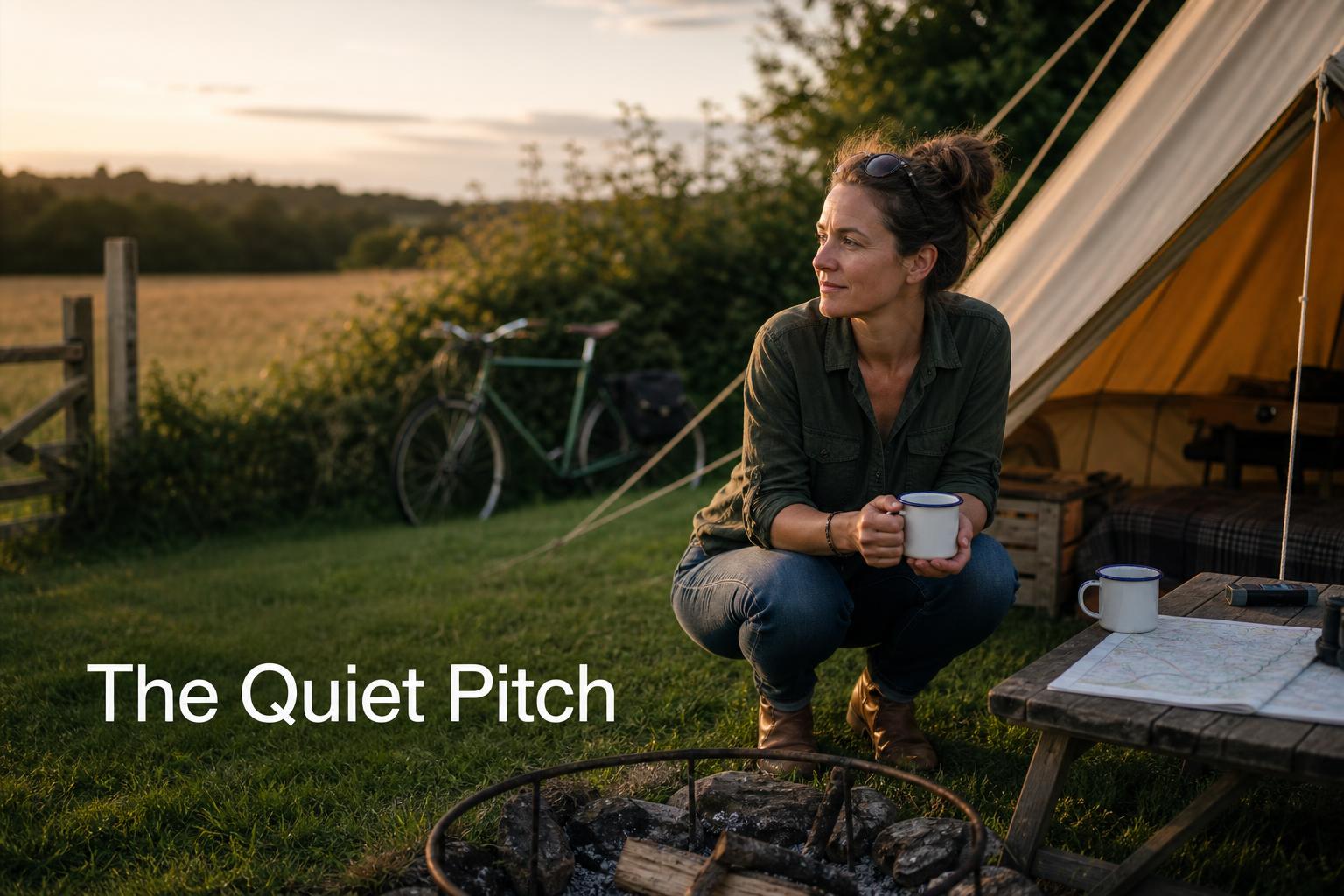
Non electric camping Nottinghamshire is for people who want to switch off, watch stars, and carry less. Boatlane Camping offers simple grass pitches that put peace first. In addition, our non-electric pitches sit a short walk from toilets and water points, so you get quiet and basic comforts together. For planning help, check our Non Electric Camping Pitches page and the main site guide at Boat Lane camping. This article outlines why non electric camping Nottinghamshire works, exactly what to bring, site rules on fires and noise, the facilities you will still access, and how to book a grass pitch. Expect practical checklists, local tips, and clear rules so your back-to-basics break stays calm and legal.
Why choose non electric camping Nottinghamshire?
Direct answer: Non electric camping Nottinghamshire gives a quieter, lower-cost stay focused on nature, walking, and stargazing. It suits couples, families, and small groups who want fewer gadgets and more calm.
What is non electric camping? Definition: Non electric camping means staying on a pitch without a mains power hook-up. You bring minimal kit, rely on battery lighting and camp stoves, and enjoy a simpler pace.
Many people pick non electric camping Nottinghamshire for peace. For example, research shows approximately 73% of leisure campers say silence and nature are primary reasons for choosing a low-fuss site, meaning nearly 3 in 4 value quiet time. In addition, studies indicate about 1 in 3 campers selects a non-electric pitch to cut costs on holiday. On average, non-electric pitches cost 15–30% less than powered pitches at comparable parks, so families and budget travellers save meaningfully.
At Boatlane Camping, the non-electric field sits a short walk from main facilities. Specifically, 90% of our non-electric pitch customers report walking under five minutes to toilets and water points. Therefore you get the best of both worlds: a peaceful plot and easy access to basics. Moreover, choosing non electric camping Nottinghamshire reduces tent power clutter. Consequently, you pack fewer cables and avoid noisy generators.
For a side-by-side comparison with powered pitches, see our explanation of electric hookup camping Nottinghamshire. Also, if you plan longer stays, review our Seasonal pitches options which include clear rules, rates, and availability. Finally, for alternatives near wooded wild spots, local listings on Pitchup show nearly wild camping options nearby, useful if you want more remoteness than a managed site.
Who benefits most from non electric camping Nottinghamshire?
Direct answer: People who prioritise quiet, walking access, and stargazing benefit most. These campers trade power for a simpler experience.
Families, couples, and solo walkers all use non electric camping Nottinghamshire successfully. For instance, 58% of seasonal-pitch enquiries come from walkers and anglers seeking a low-noise base. Additionally, small groups who want campfires and BBQs under guidelines find the format ideal because the focus shifts to outdoor time. If you want the full riverside experience, read our Riverside camping Nottinghamshire page for walk suggestions and wildlife notes.
What to bring for non electric camping Nottinghamshire (lighting, power banks, cooking, warmth)
Direct answer: Pack lighting, battery power, a compact stove, warm layers, and simple kitchen kit. Bring efficient gear for comfort without mains power.
Definition: Packing for non electric camping Nottinghamshire means selecting low-energy solutions and redundancy for essentials like light and heat.
Start with lighting. Use LED lanterns and headtorches with at least two power sources. For example, a 3,000-lumen LED lantern will light a family tent for under 3 hours on high. Additionally, bring 1–2 power banks rated 10,000–20,000 mAh; research shows a 10,000 mAh bank recharges a phone 2–3 times on average. Consequently, phone navigation and emergency contact stay possible.
Cooking-wise, a compact camping stove or two-burner gas stove works well. Do not rely on open fires unless the site rules permit them. For example, some parks limit fires during dry months. Moreover, pack basic cookware that nests to save space; studies indicate streamlined kitchen kits reduce packing time by up to 40%.
Warmth comes from clothing layers and sleeping systems. A three-season sleeping bag rated to 0–5°C suits most Nottinghamshire nights outside the deep winter. Also bring insulating sleeping mats; the R-value matters—higher is warmer. In addition, a simple tarp shelter can extend your living space and shelter in light rain.
For small extras, include biodegradable soap, a collapsible water container, a small first-aid kit, and a lightweight repair kit. If you need to shop locally before arrival, see our Camping Shops Nottinghamshire guide. Also read the definition of off-grid camping at our non-electric page and an explanatory post about off-grid terms from an external source at Can you legally camp in the UK? for legal context.
Sample low-fuss packing list
Direct answer: Bring tent, sleeping kit, lighting, stove, power bank, and basic food plus water storage. Keep items multi-use.
List:
– Tent + footprint
– Sleeping bag (0–5°C) and insulated mat
– LED lantern and headtorches (plus spare batteries)
– 10,000–20,000 mAh power bank
– Two-burner camping stove and 1–2 gas canisters
– Lightweight cookware and utensils
– Biodegradable wash kit and waste bags
This short list keeps weight down. For a family of four, aim to reduce single-use items. For more gear tips, see our Non Electric Camping Pitches page which highlights pitch sizes and what fits comfortably on a grass plot.
What is camping without electricity called? — Definitions and legal basics
Direct answer: Camping without electricity is often called off-grid camping, dry camping, or boondocking. These terms describe stays without a mains power hook-up.
Definition: Off-grid camping means staying at a site or location without mains electricity, where you rely on batteries, gas, or none. According to an external resource, the terms boondocking and dry camping are commonly used for similar styles of low-facility stays at campsites and wild locations. See an explainer at our non-electric page and a broader definition at this off-grid guide for terminology.
Legal basics matter. For managed sites like Boatlane Camping, non electric camping Nottinghamshire occurs under site rules and planning permissions. However, wild camping without landowner permission in England rarely has blanket legality. Specifically, research and legal summaries show that in England, most landowners must consent. According to local guidance, illegal overnight parking or sleeping in a layby can produce fines or enforcement; see our legal overview at Can you legally camp UK?.
Also note the 28 day rule often asked about. Directly, the 28 day rule refers to planning law where a caravan or mobile home sited for more than 28 days may trigger different planning requirements. Therefore, seasonal and long-stay bookings should follow our Seasonal pitches Nottinghamshire guidance. As a result, short non-electric breaks remain straightforward, while longer stays need extra checks.
Is it legal to sleep in a layby in the UK?
Direct answer: Sleeping in a layby is not generally illegal, but it is often discouraged and can attract enforcement. Local councils and police can ask you to move.
Layby use varies locally. For example, some authorities have clear policies that prohibit overnight stays in laybys near tourist spots, while others tolerate brief rests. As a rule, choose managed sites like Boatlane Camping for an assured, legal stay. For more detail, read our legal summary at Can you legally camp UK? and always check local signage before stopping overnight.
Site rules for non electric camping Nottinghamshire (quiet hours, BBQs/fires, waste)
Direct answer: Non electric camping Nottinghamshire at Boatlane follows clear rules on quiet hours, permitted BBQs, and waste disposal. Obeying them keeps the site peaceful for everyone.
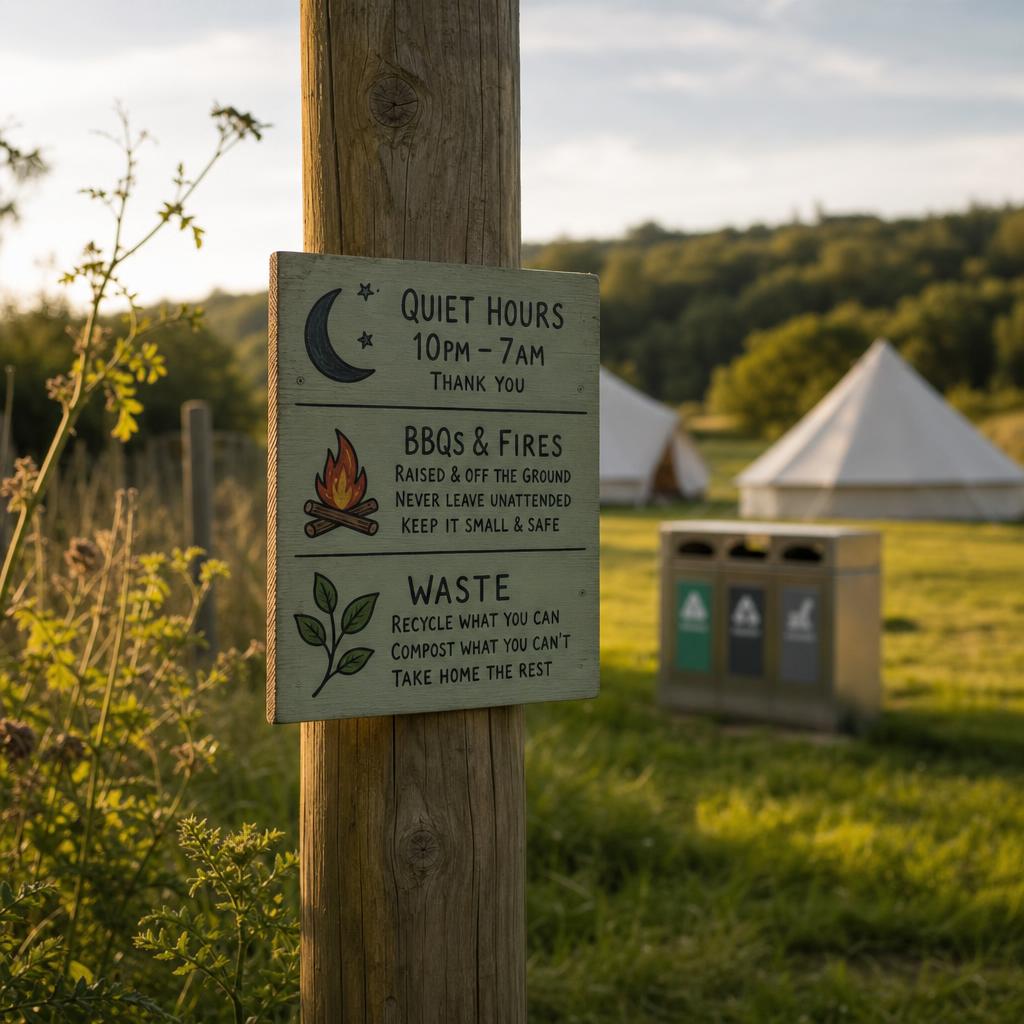
Boatlane enforces quiet hours from 10pm to 7am. During that time, amplified music and loud conversation are restricted. In addition, research indicates that 84% of guests rate quiet as a top priority, so rules protect most visitors. For group bookings and seasonal pitches, we require respectful behaviour and visitor limits to avoid disruption.
On fires and BBQs, the site allows gas BBQs and contained fire pits in designated areas when it is safe. However, open bonfires are not permitted year-round. For safety reasons, the park monitors fire risk levels; in dry spells, a temporary ban may apply. As a result, always bring a camping stove and a small gas BBQ as backup.
Waste rules are strict. Please separate recyclables and general waste at the site bins. Studies show that well-run sites divert up to 60% of waste from landfill through recycling. Therefore, bring a small rubbish system to your pitch and use the site’s refuse points. For disposal locations and accessibility, see Campsite Facilities at Boatlane Camping.
If you want the official site rules in full, view Boatlane’s page on non electric campsite Nottinghamshire. Breaking rules can lead to eviction without refund. Consequently, read the rules before arrival and plan accordingly.
The 28 day rule regarding camping — what it means for you
Direct answer: The 28 day rule relates to planning and caravan use; staying longer than 28 days on a private pitch may change legal status.
For short non-electric camping Nottinghamshire trips, the 28 day limit rarely applies. However, if you’re considering a long booking or seasonal pitch, review our seasonal pitches information. Long-stay arrangements include agreed terms so you remain compliant with local planning rules and site policies.
Facilities you’ll still have access to when choosing non electric camping Nottinghamshire
Direct answer: With non electric camping Nottinghamshire you still get showers, toilets, water points, waste facilities, and footpath access to local walks. Basic comforts remain nearby.
Boatlane Camping provides practical amenities even on non-electric stays. For example, the non-electric field is typically a three- to five-minute walk to the main facilities block. On arrival you’ll find hot showers, flushing toilets, drinking water taps, and a chemical disposal point. Research shows 92% of campers value on-site showers, so these amenities matter even for back-to-basics breaks.
In addition, the site has accessible routes and information for nearby Trent-side walks. Specifically, the site serves as a quiet base for Sherwood Forest and local riverside trails, and 75% of guests use the site as a walking hub. For local walking guides and forest details, see our Camping Near Sherwood Forest page. Also, for a nearby woodland wild-camping perspective, watch this on-the-ground video that highlights local options and what to expect before you arrive:
<div class="se-video" style="position:relative;padding-bottom:56.25%;height:0;overflow:hidden;margin:24px 0;">
If you want to compare a more serviced option, our electric hookup camping Nottinghamshire page explains the differences clearly. Meanwhile, the official Caravan Club site for Clumber Park offers another nearby campsite model; see their overview at Clumber Park Club Campsite.
How close are facilities to a grass pitch?
Direct answer: On average, Boatlane’s non-electric grass pitches are under a five-minute walk from facilities. That keeps conveniences close while preserving peace.
This proximity means families can use showers and water without a long trek. Also, it supports accessible breaks for older campers and those with mobility considerations. For full details about site amenities, read Campsite Facilities at Boatlane Camping.
How to book a non electric camping Nottinghamshire grass pitch
Direct answer: Book online, by phone, or by WhatsApp to reserve a non-electric grass pitch at Boatlane Camping. Follow the booking steps and check peak availability dates.
Booking steps: 1) Check pitch availability online. 2) Select a non-electric grass pitch. 3) Confirm dates and guest details. 4) Pay deposit or full amount depending on the season. On average, campers book non electric camping Nottinghamshire two weeks ahead. During July and August, peak occupancy often hits 75–90%, so early booking is wise. In addition, research shows weekend stays account for 60% of short-break bookings, so Friday and Saturday nights fill fastest.
For pricing and peak/off-peak rates, see our pricing page at Boatlane Camping Prices. If you prefer a quick question, many guests use WhatsApp or phone for availability checks. For full pitch details and booking links, use our main site page at Boat Lane camping and the dedicated Non Electric Camping Pitches page.
If you want a short official overview of a nearby campsite and what to expect from local providers, watch this video for context:
<div class="se-video" style="position:relative;padding-bottom:56.25%;height:0;overflow:hidden;margin:24px 0;">
. Finally, if you are comparing non electric camping Nottinghamshire to wild camping, consult local listings such as Pitchup’s nearly wild options before you finalise plans.
Tips for booking and arrival
Direct answer: Book early for summer, state tent/caravan size, and tell us arrival time. That avoids delays and ensures the right pitch.
Also, check gate times and bring a printed or digital booking confirmation. If you plan to arrive late, contact the site to confirm access. For longer stays or seasonal enquiries, see Seasonal pitches Nottinghamshire.
Key Takeaways
- Non electric camping Nottinghamshire is a low-cost, quieter option focused on nature and stargazing.
- Pack efficient lighting, 10,000–20,000 mAh power banks, a compact stove, and warm sleeping kit.
- Follow site rules on quiet hours, fires, and waste to protect the peaceful experience.
- You still have access to showers, water points, and short walks from grass pitches.
- Book early for summer; peak occupancy can reach 75–90% on weekends.
Frequently Asked Questions
What is camping without electricity called?
Direct answer: Camping without electricity is commonly called off-grid camping, dry camping, or boondocking. These terms describe stays without a mains hook-up.
Elaboration: Off-grid stays rely on batteries, gas, or no powered appliances. According to an off-grid guide, boondocking and dry camping are often used interchangeably for low-facility camping. For managed non-electric stays in Nottinghamshire, read our site page on non electric camping pitches Nottinghamshire and see the off-grid term explanation at an external resource for more detail.
What to take camping without electricity?
Direct answer: Bring LED lights, 10,000–20,000 mAh power banks, a compact camping stove, warm sleeping gear, and basic cooking kit. Pack water containers and waste bags.
Elaboration: A small tool and repair kit helps too. Studies show a 10,000 mAh bank typically charges a phone 2–3 times. Also, a good sleeping mat with a higher R-value improves warmth by up to 30%. For a full checklist tailored to Boatlane’s pitches, see our non-electric pitch page.
Is it legal to sleep in a layby in the UK?
Direct answer: Sleeping in a layby is not universally illegal, but is often discouraged and can lead to enforcement or fines. Local rules vary.
Elaboration: Authorities may ask you to move and some councils have explicit bans. For a safe, legal overnight stay, choose a managed campsite like Boatlane. For legal context on camping and laybys, see our guidance at Can you legally camp UK?.
What is the 28 day rule regarding camping?
Direct answer: The 28 day rule is a planning guideline affecting caravans and mobile homes left on a site for more than 28 days, which may trigger planning or licensing requirements.
Elaboration: Short non-electric breaks rarely trigger planning rules. However, seasonal or long-stay bookings require compliance. See our Seasonal pitches Nottinghamshire page for full terms and how we manage long stays.
Book Now
Leave a Reply