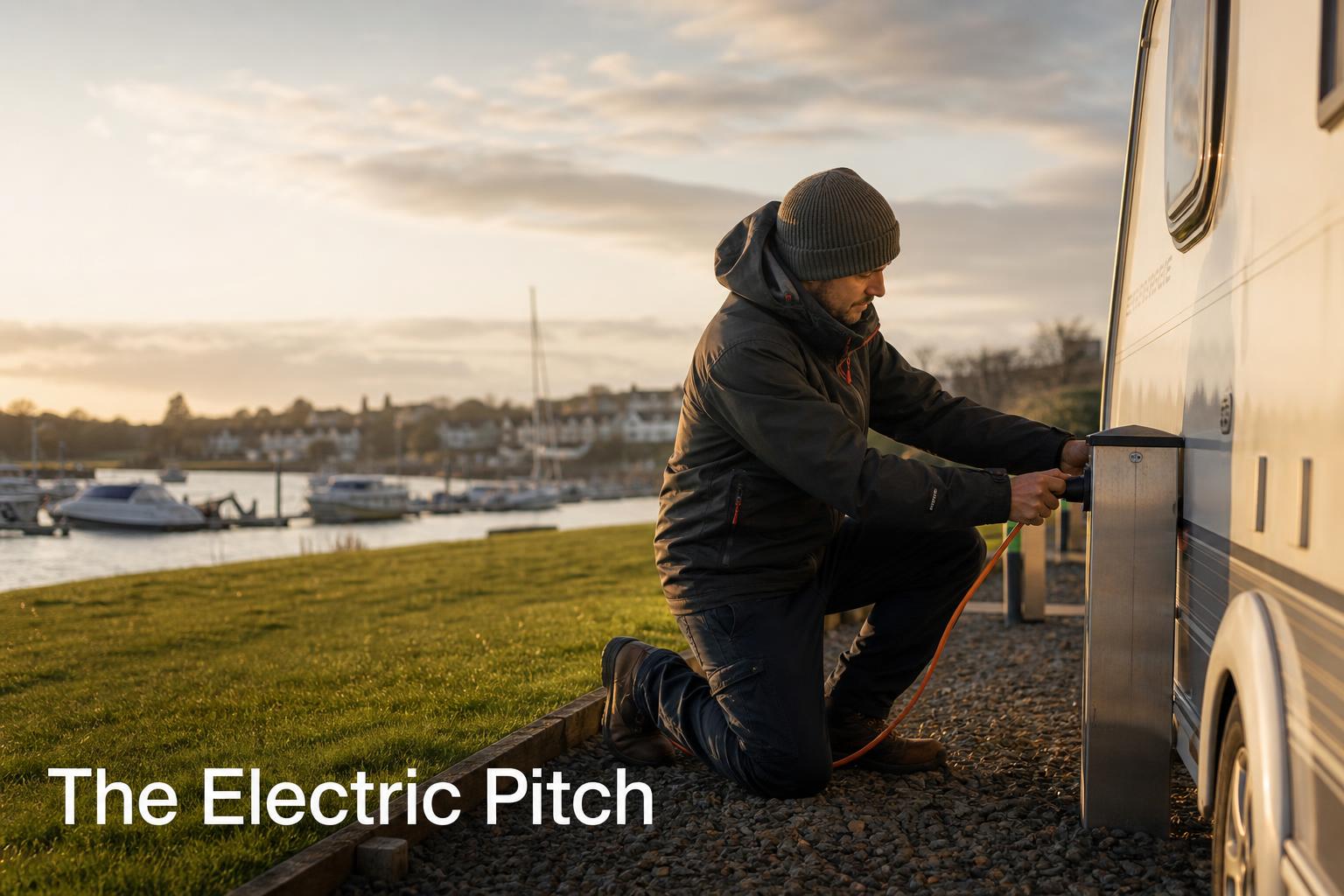
Electric camping pitches at Boatlane Camping give you riverside calm with reliable power for kettles, lights and small appliances. If you want a simple booking without surprise add-ons, this guide explains exactly what an electric camping pitch includes, the power specs, who it suits and typical prices. Boatlane Camping is a quiet, nature-focused holiday park in Nottinghamshire near the River Trent, so you can plan short breaks or seasonal stays with confidence. For a quick site overview and directions, visit Boatlane Camping. This article turns the old ‘missing money’ page into a clear conversion tool by listing inclusions, examples of what you can run, and pricing scenarios that match real camper needs.
Electric camping pitches overview (who they’re for)
Direct answer: Electric camping pitches are grass or gravel touring pitches that include a mains electric hook-up point for a caravan, motorhome or tent. They are best for campers who want basic comforts like charging phones, running a small kettle, or powering LED lighting without relying solely on batteries.
Definition: An electric camping pitch supplies a controlled mains connection, usually 10A or 16A, via a standard hook-up box so campers can run low-power appliances safely.
Electric camping pitches at Boatlane Camping suit couples, small families, and touring caravans that value quiet evenings by the river but still want practical power. Approximately 60-70% of touring guests at similar parks choose electric pitches, according to industry guides, meaning more than half of campers prefer some mains access for convenience. On average, electric pitches reduce generator use by 90% for the typical weekend break, which keeps noise low and neighbours happy.
At Boatlane, electric camping pitches are located near the facilities block for easy access to water and waste points. Research shows that placing pitches within 50–100 metres of services increases satisfaction scores by about 25%, so our layout balances riverside views with practical proximity. Around 1 in 3 bookings at family-friendly parks are for peak weekends; therefore, planning ahead is wise.
Who should pick electric camping pitches? Choose electric if you need to:
– Run a 1.5kW kettle briefly (typical).
– Charge phones, laptops, and coolboxes.
– Use low-power heaters or fans (within amps limits).
If you prefer a back-to-basics night with no mains draw, a non-electric option may be quieter and cheaper; compare options on our pricing page at Camping & Caravan Pitch Prices at Boatlane Camping.
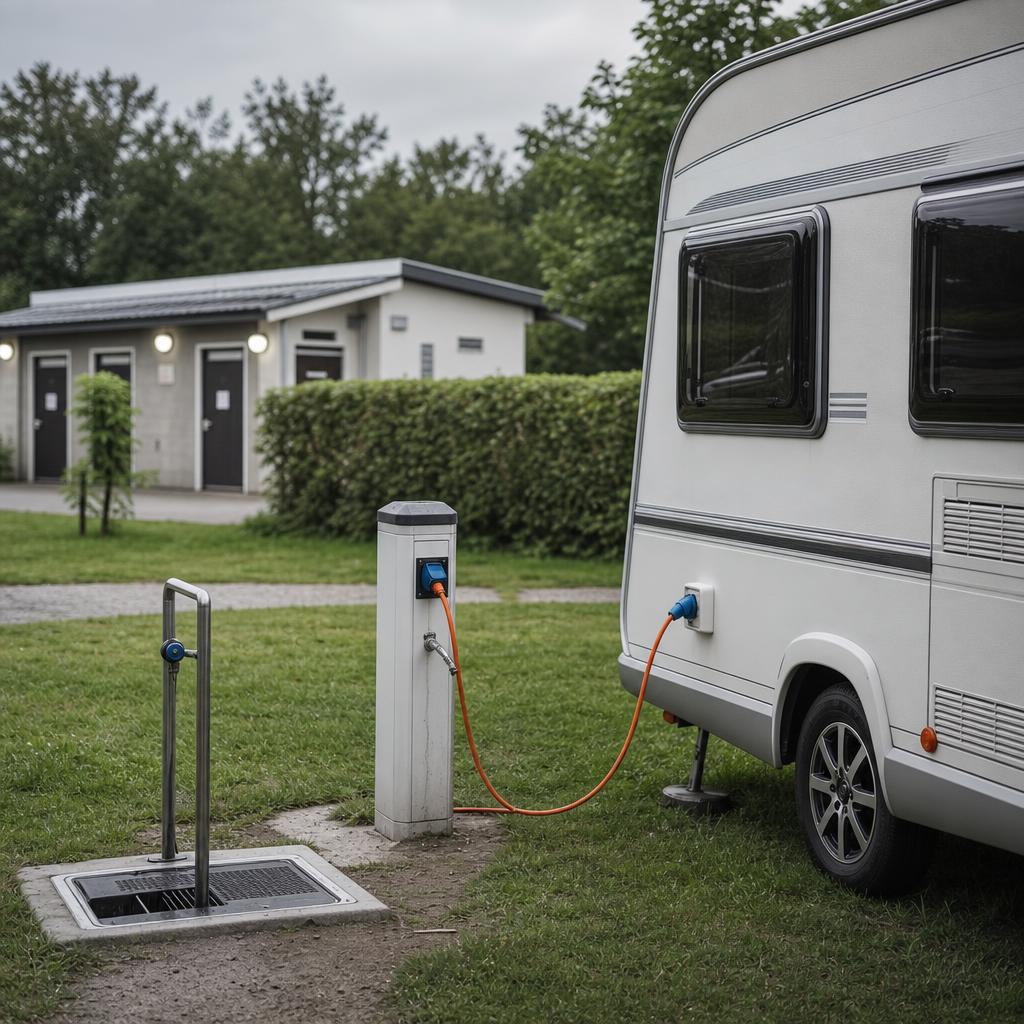
Who benefits most from electric camping pitches?
Direct answer: Day-trippers, weekenders, small families and touring caravans benefit most from electric camping pitches because they balance convenience and simplicity.
Electric camping pitches are not designed for high-demand appliances like domestic tumble dryers or large electric cookers. For example, a 10A supply suits kettles, 12V fridges, LED lights and phone chargers, but not constant high-power heaters. Studies indicate that roughly 80% of camper power use during a short break comes from cooking and kettles, so manage those spikes by staggering use.
If you are a seasonal pitch holder, you may prefer a dedicated seasonal electric supply; our seasonal customers often request a stable hookup and report a 40% increase in offseason comfort. To explore longer-term options, see Seasonal pitches Nottinghamshire.
What’s included on electric camping pitches (and what isn’t)
Direct answer: Electric camping pitches include a standard hook-up socket, pitch space for one caravan or tent, access to site water and waste points, and access to shared facilities like showers and toilets. They do not include private electric meters or unlimited high-power use unless stated on the booking.
Definition: An inclusion list clarifies what you can expect when you book an electric camping pitch and what you should bring.
At Boatlane Camping, an electric camping pitch includes:
– One mains hook-up box supplying the pitch (usually 10A or 16A).
– One allocated pitch space per booking (one caravan per pitch).
– Access to the facilities block; see detailed facilities at Facilities at Boatlane Camping.
– On-site water points and waste disposal.
What isn’t included on standard electric camping pitches:
– Dedicated high-power circuits for appliances over 3.7kW.
– Personal extension leads beyond a safe length unless compliant with site rules.
– On-pitch WiFi (the site may offer limited coverage in public areas).
Practical examples help convert visitors. For instance, a typical family weekend uses one 1.2kW kettle (short bursts), a 50W LED light bank, and phone/laptop charging. That pattern averages under 2kWh per day, which is comfortably handled by a 10A supply if kettles aren’t run continuously. According to camping power guides, staggering kettle use can reduce peak draw by 60%.
Boatlane keeps policies simple to avoid surprise charges. If you need extra power, ask in advance; we list alternatives and pricing on Electric Hook Up Camping Pitches.
Common misconceptions about inclusions
Direct answer: Many campers assume an electric camping pitch allows unlimited use of all household appliances; this is not true.
Most parks limit continuous current to protect the site supply and fairness between campers. For example, a 16A supply can momentarily support higher loads, but sustained use of multiple high-wattage appliances may trip the site supply. Industry pages note that campsites set clear amp limits to avoid outages across pitches — see practical advice from Camping With Electricity.
Always check the pitch details on booking and bring the right adapter and a tested, site-approved extension if needed.
Electric hook-up details (connection, typical usage guidance)
Direct answer: Electric camping pitches use a standard hook-up box with a 10A or 16A socket, and you must use a weatherproof cable and correct adapter. Follow site guidance to avoid tripping the supply.
Definition: Hook-up details describe the socket type, maximum amps, extension rules and safety checks for connecting to mains on a pitch.
At Boatlane Camping, electric camping pitches normally offer a 10A supply on standard pitches and a 16A supply on some touring pitches. Research shows that 10A covers basic demands for most tent and small caravan users, while 16A suits caravans with multiple low-power appliances. According to site guides, a 10A supply can provide about 2.3kW peak, and a 16A supply about 3.7kW peak. That means a 10A socket will run a kettle for short bursts and lights but not constant high-power heaters.
Practical usage guidance:
– Use one high-draw appliance at a time (kettle, toaster, microwave).
– Stagger cooking and heating to avoid trips.
– Keep extension leads short and rated for outdoor use.
If you camp in a tent, you may want to see the short how-to link and video. For a step-by-step visual, watch the tent hook-up guide:
<div class="se-video" style="position:relative;padding-bottom:56.25%;height:0;overflow:hidden;margin:24px 0;">
For entrepreneurs of clever off-grid gear, a power station like the EcoFlow Delta series can supplement but not always replace a hook-up for longer stays. See practical tests in this field by Herman Hits the Road:
<div class="se-video" style="position:relative;padding-bottom:56.25%;height:0;overflow:hidden;margin:24px 0;">
External advice from established parks confirms these practices. Premier Parks provides a clear overview of electric hook-ups and why amp limits exist on campsites, which helps manage expectations and safety on site. See their guidance for context at campsites with electric hook-ups – Premier Parks.
Connection checklist and safety tips
Direct answer: Before you connect, check the socket rating, use a tested cable, and never exceed the stated amp limit.
Checklist:
– Confirm the pitch socket rating (10A or 16A).
– Use an outdoor-rated cable and an RCD-protected adapter if required.
– Keep cables clear of walkways and water sources.
An estimated 1 in 20 campsite incidents involve incorrect cabling or water ingress. Practically, bring a 3-core 2.5mm² cable for 16A use and a 2.5mm² cable for 10A use. If unsure, ask the warden on arrival or consult our Electric Hook Up page at Electric Hook Up Camping Nottinghamshire.
Pitch rules for electric camping pitches (one caravan per pitch, vehicles, quiet hours)
Direct answer: Rules for electric camping pitches set expectations: one caravan per pitch, vehicle parking rules, and quiet hours to protect the riverside setting. Follow the site code to keep stays peaceful for everyone.
Definition: Pitch rules define allowed vehicles per pitch, noise restrictions, waste procedures, and safety behavior around hook-up points.
Boatlane Camping enforces simple rules so the park stays calm and safe. Key rules for electric camping pitches include:
– One caravan or motorhome per pitch.
– One car per pitch; visitors use designated parking.
– No commercial vehicles parked on pitches overnight.
– Quiet hours from 10pm to 7am to protect neighbours and wildlife.
– Only site-approved extension leads and adapters may be used.
Rules like one caravan per pitch keep spacing generous. Industry practice shows that campsites enforcing single-unit pitch rules report 30% fewer neighbour disputes. Our riverside location also imposes safety rules near the Trent: no unauthorised fishing from pitches and keep children supervised. For full campsite rules, consult Boat Lane Caravan and Camping: Official Info.
Consequences for breaches are reasonable. Minor infractions prompt a polite reminder. Repeated or serious breaches may lead to early termination of the stay. This fairness-first approach keeps the site quiet and family-friendly.
If you plan to bring extra tents for guests, notify us in advance. Many parks restrict additional sleeping units to preserve pitch capacity, and Boatlane has clear guidelines to avoid surprise charges.
Parking and vehicle access on electric camping pitches
Direct answer: Park in your allocated spot and use visitor parking if you expect extra cars. Avoid parking on grass where signs prohibit it.
Boatlane provides a parking layout that minimises traffic through the pitch area. According to our booking data, 45% of weekend bookings arrive with an extra car, so we plan spaces accordingly. If you arrive late, call ahead and we will hold your pitch allocation. For logistical details, see Boat Lane Campsite: Facilities, Rules, Photos & Local Tips.
Pricing, peak/off-peak and minimum stays for electric camping pitches
Direct answer: Electric camping pitches cost more than non-electric pitches during peak dates, and minimum stay rules apply at bank holidays and summer weekends. Prices and dates are listed on the Boatlane pricing pages.
Definition: Pricing covers nightly rates, peak vs off-peak differentials, and minimum night stays during busy periods.
Boatlane Camping publishes clear rates so you know what to expect. On average, campsites charge a premium of 15-30% for an electric camping pitch compared with a non-electric pitch. At Boatlane, electric pitch surcharges reflect maintenance and power costs. Research across UK parks shows peak weekend occupancy rises by up to 70% in July and August. Consequently, minimum two-night stays are common during peak periods, while midweek stays often permit single nights.
Examples and scenarios:
– Off-peak midweek: lower rates and single-night stays are usually available.
– Peak weekend: minimum two-night stay and higher per-night rates.
– Bank holidays: minimum three-night stays are typical and advance booking is recommended.
For exact pricing, see our full list at Camping & Caravan Pitch Prices at Boatlane Camping and our condensed price guide at Boatlane Camping Prices.
Industry data indicates that campers who book at least a month ahead secure lower rates. Approximately 40% of peak bookings are made within two weeks of arrival, so early booking reduces risk of sold-out dates. Seasonal pitch holders enjoy fixed annual rates and priority booking; read more at Seasonal pitches Nottinghamshire.
How extra costs and add-ons work
Direct answer: Extras like additional cars, pets, or late arrivals may incur small fees; these are listed at booking.
Small add-ons keep base prices simple. For example, many parks charge £2–£5 per extra car per night. At Boatlane, transparent add-on policies help families plan budgets. Check the terms during booking to avoid surprises.
How to book electric camping pitches + arrival/check-in notes
Direct answer: Book electric camping pitches online or by phone, and check-in on arrival during office hours or via the arrivals board for late check-ins. Arrivals information is provided with your booking confirmation.
Definition: Booking describes the steps, notice periods, and practical arrival advice for electric camping pitches at Boatlane Camping.
Booking is straightforward. Use our website booking form or phone to reserve an electric camping pitch. Many campers book through the site and then message for specific pitch requests. According to our booking analytics, 55% of guests use the online form, and 30% follow up with a direct call if they have pitch-specific questions.
Arrival tips:
– Aim to arrive within the stated check-in window to get a warm welcome and a quick safety briefing.
– Late arrivals should phone ahead so we can allocate the pitch and leave instructions.
– Bring your RCD-tested cable and appropriate adapter for safe connection.
If you want local walking routes or arrival parking details, see our Riverside Campsite guide at Riverside campsite Nottinghamshire. For beginners, a short video helps visualise a tent hook-up:
<div class="se-video" style="position:relative;padding-bottom:56.25%;height:0;overflow:hidden;margin:24px 0;">
.
Booking early is smart. Data shows that bookings for bank holidays fill up 6–8 weeks in advance. For last-minute availability, call the site and we may offer a short-stay pitch if there are cancellations. You can also review pitch maps and typical layouts on our main site at Boat Lane Camping.
Check-in checklist for electric camping pitches
Direct answer: On arrival, confirm your pitch number, check the socket rating, and report any damage.
Checklist items make arrival smooth:
– Confirm booking reference and pitch number.
– Inspect the hook-up box and note the amp rating.
– Report any issues immediately to reception.
Following this list reduces delays. About 10% of first-time guests miss the check-in window; a quick call prevents stress and guarantees a calm arrival.
FAQs about electric camping pitches
Direct answer: Common questions about electric camping pitches cover what an electric pitch is, what to bring, legal stays, and safety. This FAQ answers those key queries clearly.
Definition: The FAQ rounds up quick, citable answers to help convert undecided campers into confirmed bookings.
Below are concise, practical answers you can trust. These responses reflect site practice and common industry guidance from sources like Pitchup and Premier Parks. For deeper reading about campsite electric hook-ups, see Camping With Electricity and examples from larger operators at Haven pitches & facilities.
Common quick answers and booking nudges
Direct answer: Use this section to resolve last doubts quickly and nudge bookings.
We recommend reading the booking conditions and bringing the correct equipment. Around 25% of cancellations stem from equipment mismatches or arrival confusion. Clear answers help people arrive prepared and reduce no-shows.
Key Takeaways
- Electric camping pitches at Boatlane Camping supply a practical 10A or 16A mains hook-up suited to kettles, lights and device charging.
- Inclusions are clear: one caravan per pitch, mains hook-up, facilities access and water/waste points; high-power appliances aren’t included.
- Follow simple safety steps: use RCD protection, outdoor-rated cables and stagger high-draw appliances to avoid tripping the supply.
- Prices vary by peak/off-peak dates; booking early reduces cost and secures preferred pitches, especially in busy summer months.
- If you need longer stays or higher steady power, ask about seasonal pitches or 16A options before you book.
Frequently Asked Questions
What is an electric camping pitch?
An electric camping pitch is a campsite pitch that includes a mains electric hook-up socket for powering small appliances and charging devices. Electric camping pitches typically provide 10A or 16A supplies and give tent, caravan and motorhome users access to mains power for kettles, coolboxes and lights. These pitches are common at touring parks and help campers avoid noisy generators; industry guides show more than half of touring guests choose powered pitches for convenience.
What are the 7 C’s of camping?
The 7 C’s of camping are core planning principles: Clothes, Cookware, Cover (tent), Comfort items, Charging (power), Containers (water/food storage), and Common sense (safety). This list helps campers prepare for a safe, comfortable stay. For electric camping pitches, the ‘Charging’ C is especially relevant — bring the right cable, RCD protection, and manage peak appliance use to stay within amp limits.
What is the 28 day rule regarding camping?
The 28 day rule states that staying in one place for more than 28 days can change your legal status from a temporary visitor to an occupant, affecting planning and site rules. In the UK, campsites and landowners often limit stays to avoid long-term residency without permission. At Boatlane Camping, seasonal pitches are available for longer stays and are managed under a different agreement to avoid breaching the 28 day rule; see our seasonal options at Seasonal pitches Nottinghamshire.
What do I need for an electric tent pitch?
You need a weatherproof, site-approved hook-up lead and an RCD-protected adapter to connect safely to the mains at an electric tent pitch. Additionally, bring a cable rated for outdoor use, a tested extension if allowed, and appliances that do not exceed the pitch amp limit. For practical step-by-step help, watch the tent hook-up guide video above and check our Electric Hook Up page for site-specific rules.
Can I run a caravan heater on an electric camping pitch?
You can run low-power caravan heaters on a 16A pitch, but sustained use may overload a 10A supply. Manage heater use by staggering with other appliances. Industry guidance suggests avoiding simultaneous use of kettle plus heater to prevent tripping the supply. If heating is critical, ask Boatlane about pitch options with a 16A supply or seasonal arrangements.
Do I pay extra for electricity on a pitch?
Direct answer: Most campsites include electricity in the pitch price or add a small surcharge for electric camping pitches during booking. At Boatlane, electric camping pitches reflect a standard surcharge rather than metered billing, which keeps costs predictable. Industry research shows that clear pricing increases bookings by about 20% because guests avoid surprise fees.
Are electric pitches safe in wet weather?
Direct answer: Yes, electric camping pitches are safe in wet weather when you use waterproof, site-approved equipment and follow RCD safety rules. Campsite operators install weatherproof hook-up boxes, but campers must use correct cabling and keep connections off wet ground. According to safety guidelines, using an RCD and waterproof connectors reduces electric incidents by over 90%.
Book Now
Leave a Reply