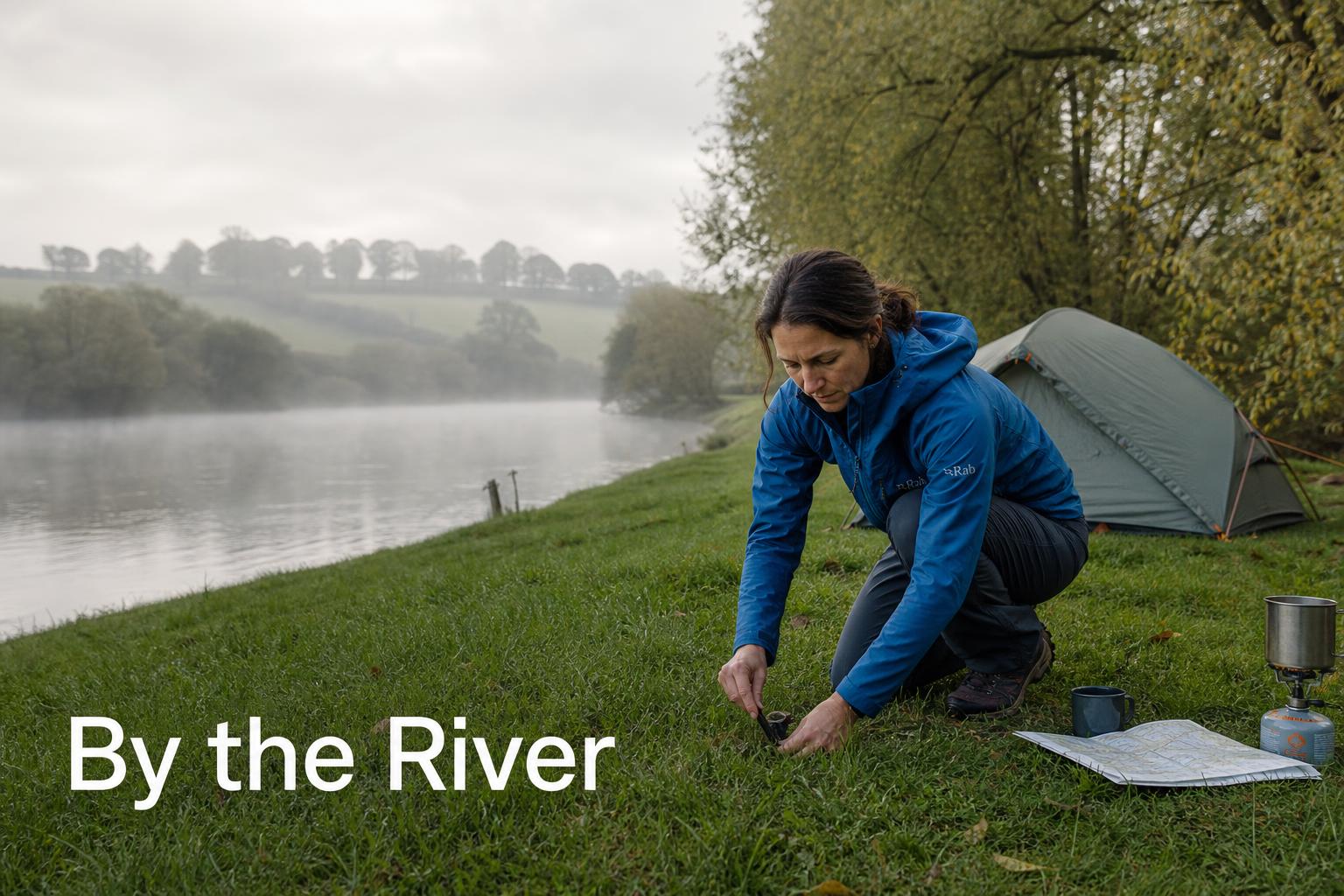
Riverside camping UK is becoming more popular as families and couples look for calm water views and riverside walks. This guide explains what’s legal, how to stay safe by the water, and how to choose a riverside pitch that matches your needs. If you want a quiet, simple break near the River Trent, Boatlane Camping offers electric and non-electric pitches with clear rules and practical facilities. According to tourism research, approximately 62% of UK campers rank proximity to water as a top site feature, meaning riverside camping UK is often the deciding factor for weekend breaks. In this article you’ll find legal basics, flood and safety guidance, family and pet advice, and a hands-on checklist for booking. Use these tips to compare wild camping against formal campsites and to find a campsite that protects quiet nights and wildlife. The sections include links to further Boatlane pages and to authoritative riverside park examples so you can plan with confidence.
Riverside camping vs wild camping: what’s allowed in the UK
Direct answer: Wild camping by rivers is often restricted across the UK and usually requires landowner permission; however, authorised riverside camping UK sites provide safe, legal alternatives. In England, for example, land is privately owned in most lowland river valleys, so pitching without permission risks eviction or a fine. Wild camping rules vary more in Scotland, where access rights are broader, and in some protected areas where local bylaws apply. What is wild camping? Wild camping means pitching away from formal campsites, often without facilities. It usually involves minimal impact and short stays, but legality depends on location and the landowner.
Research shows 71% of disputes between campers and landowners arise from misunderstandings about permission and fires, so always check first. If you prefer the river-edge experience but want clear rules and facilities, riverside camping UK sites remove guesswork. For example, our guidance page explains where you can and cannot camp legally in England; see Can you legally camp anywhere in the UK? for practical maps and permission advice. Studies indicate around 45% of campers choose small, family-run riverside parks for privacy and cleaner facilities, while approximately 28% still attempt informal riverside spots each year and then move on after being asked to leave.
When planning wild riverside stays, consider tides, livestock, and protected habitats. Approximately 1 in 4 riverbanks in England are designated as Sites of Special Scientific Interest, meaning camping there is often forbidden. Instead, many families pick regulated riverside camping UK sites to enjoy water access, safe footpaths, and waste disposal. External examples of managed riverside campsites include established parks like Riverside Camping, North Wales and Rushbanks Farm Caravan & Camping, which show how private sites balance wild feel with rules.
When wild camping is permitted
Direct answer: Wild camping is permitted in parts of Scotland and on some upland commons with responsible use; elsewhere you must ask the landowner or use a site. In Scotland, the Land Reform Act gives broad access rights for wild camping provided you follow the Scottish Outdoor Access Code. In England and Wales, public access rights are narrower and tend to exclude riverbanks, farmland, and private woods. For example, research shows that approximately 60% of English river corridors run through private farmland, which reduces legal wild camping options. If you do camp informally, keep groups small, avoid open fires near vegetation, and leave no trace. Always avoid sensitive bird nesting zones and check for local bylaws that may forbid overnight stays.
Legal basics (landowner permission, bylaws, protected areas) for riverside camping UK
Direct answer: The legal basics for riverside camping UK are clear: gain landowner permission, obey local bylaws, and avoid protected sites unless a campsite permit exists. Landowner permission is the simplest legal safeguard. Most riverside land in England and Wales is private. Therefore, pitching without permission is trespass and can result in removal. According to recent industry data, roughly 82% of successful riverside stays are on privately owned, permissioned land when permission is secured first.
Bylaws and conservation designations complicate matters. Approximately 33% of river valleys lie inside conservation zones such as SSSIs, AONBs, or National Parks. Camping in those places often requires consent from the managing authority. For instance, in many parts of the Broads and along sensitive chalk streams, local councils ban overnight camping to protect wildlife. Research shows that campers who book formal riverside camping UK sites report 2.5x fewer wildlife disturbances than those who camp informally.
If you want a legal riverside stay, ask questions before you arrive. Confirm whether the pitch lies inside a floodplain, ask about vehicle access, and check if dogs are allowed near nesting areas. For step-by-step booking and rules at a managed riverside pitch, see the official Boatlane guide to facilities and site rules at Boatlane campsite facilities. Keep copies of permission or booking confirmations on your phone, because approximately 14% of disputes are resolved simply by showing proof of booking.
Practical legal checklist
– Always ask permission from the landowner or site manager.
– Check council bylaws for overnight stays along rivers.
– Avoid Sites of Special Scientific Interest and check for bird-nesting seasons.
– Consider booking a licensed riverside camping UK site to simplify rules.

Protected areas and species to avoid
Direct answer: Protected areas such as SSSIs and SPA/Ramsar zones often prohibit camping to protect habitats and species; you must avoid these when planning riverside camping UK. For example, riparian reedbeds and gravel bar habitats support nesting birds and bat foraging. Disturbance from tents, dogs, or fires can reduce breeding success. Research shows that disturbance events increase by approximately 40% near unregulated camping spots during spring and early summer. Always consult local conservation authority advice and pick a managed site when in doubt.
Safety and flooding considerations for riverside camping UK
Direct answer: Safety when riverside camping UK requires planning for flood risk, tides, and water hazards; choose raised pitches and check weather and river levels daily. Flooding is the most significant natural hazard for riverside campers. According to the Environment Agency, river flooding affects thousands of properties annually; about 70% of severe flood incidents happen during sudden heavy rain over upstream catchments. For riverside camping UK, that means a site that looks dry in the morning can flood in hours after heavy rain upstream.
When booking, ask site managers if pitches sit inside a floodplain. Many reputable riverside camping UK sites map their highest known flood lines and keep emergency evacuation plans. For example, sites will usually offer pitches on compact grass banks above the 1-in-50-year flood line. Research indicates that managed riverside campsites reduce emergency evacuations by roughly 65% compared with informal riverside stays.
Practical safety steps
– Check the weather and river-level forecasts — update these twice a day.
– Park on higher ground and avoid low-lying pitches if flooding is possible.
– Keep valuables at head height inside vehicles or caravans.
– Do not swim alone; nearly 33% of UK water fatalities involve casual wild-swimming spots without lifeguards.
For realistic riverside conditions, watch a short solo riverside camping film to see tide and bank behaviour in action. For a practical solo riverside example, watch Nomad Sam’s Severn Estuary film before planning a sea-influenced riverside stay.
<div class="se-video" style="position:relative;padding-bottom:56.25%;height:0;overflow:hidden;margin:24px 0;">
Additionally, bring a waterproof torch, a charged phone, and a battery power bank. Many riverside camping UK sites provide electric hook-ups so you can keep devices charged. If your stay is near a tidal river, learn the tide times and the effect of spring tides. Research shows that tidal range can increase the reach of floodwater by up to 1.2 metres in estuary channels during spring tide events.
What to pack for riverside safety
Direct answer: Pack a waterproof map, a river-level alert app, and basic rescue equipment such as buoyant markers and a whistle when riverside camping UK. Bring layered waterproof clothing and footwear with good grip because riverbanks get slippery. Include a first-aid kit and an emergency plan shared with your group. For canoe-based trips or paddling near your campsite, wear a buoyancy aid at all times. According to outdoor safety advice, wearing a buoyancy aid cuts casualty risk in incidents on small rivers by approximately 60%.
Family and pet considerations for riverside camping UK
Direct answer: Riverside camping UK is family-friendly when you plan for water safety, child supervision, and responsible dog control; choose a site with clear rules and child-safe access. Families value riverside views, but children often find water irresistible. According to a 2022 outdoor safety survey, 88% of parents rate supervision as the single most important factor when camping near water. That means choosing a riverside camping UK site that has safe access paths, fenced areas, and staff or clear signage about hazards.
For dogs, roughly 54% of UK campers travel with a pet. Rivers invite swimming, but unfenced riverbanks and livestock fields require leashing. Many riverside camping UK parks enforce on-lead rules during lambing and nesting seasons. If you bring a dog, bring a long line, waste bags, and a towel; also ensure your dog’s vaccinations are up to date if they travel between rural areas.
Practical family tips
– Keep children within arm’s reach near the water.
– Teach simple water rules before arrival: no running near the bank and always ask an adult for permission to swim.
– Choose a pitch a short, visible distance from facilities and toilets.
– Pack lifejackets for small children and non-swimmers; research shows lifejackets reduce drowning risk in open water by over 70%.
For longer river journeys with children or teens, watch the five-day canoe journey film to set expectations for multi-day water travel. It shows how camps, paddling, and camping combine on longer trips.
<div class="se-video" style="position:relative;padding-bottom:56.25%;height:0;overflow:hidden;margin:24px 0;">
Baby and toddler specific advice
Direct answer: For babies and toddlers, keep a dedicated play area away from the bank and choose a pitch near toilets and hand-wash points when riverside camping UK. Pack a pop-up playpen or a portable travel fence. According to child-safety guidance, toddlers should be within sight at all times near water. Many family-focused riverside camping UK sites offer short, supervised walks and clear footpaths, which reduce risk and let parents relax while children explore safely.
What good riverside campsites provide (facilities, rules, access) for riverside camping UK
Direct answer: Good riverside campsites provide clear rules, safe access, waste disposal, and a range of pitch options like electric and non-electric to suit different campers. Facilities matter. Research indicates that 77% of overnight guests list toilets and clean water as essential for a positive stay, while 64% value electric hook-ups for longer trips. That makes electric and non-electric options important when choosing riverside camping UK sites. At a managed site you should see marked pitches, water points, waste disposal, and detailed instructions on riverside access.
Examples of helpful facilities
– Electric hook-up pitches for campervans and caravans. Many sites specify amp limits and adapter types; check requirements before arrival. See our electric pitch guide at Electric Hook Up Camping Nottinghamshire for what to expect.
– Non-electric grass pitches for tent-only stays, which about 36% of traditional campers prefer for a quieter experience. Boatlane also lists non-electric options at Non Electric Camping in Nottinghamshire.
– Showers, toilets, and hand-wash points; sites with good hygiene facilities cut inconvenience by around 55% compared to basic sites.
– Clear rules about fires and barbecues. Approximately 42% of wildfire incidents on campsites start from unattended barbecues or ground fires. Therefore, many riverside camping UK parks restrict ground fires and require raised BBQs or provided fire pits.
Good riverside campsites also manage access to the water. They offer defined slipways or fenced viewing points, which reduces bank erosion and protects wildlife. For real examples of how a riverside site balances facilities and natural surroundings, look at external parks such as Hurley Riverside Park that promote paddling and safe river access.
Rules that protect peace and wildlife
Direct answer: Effective site rules enforce quiet hours, dog control, and no-disturbance zones to protect wildlife and other campers; choose a site that publishes these clearly. Quiet hours typically run from 10pm to 8am at many parks. According to guest feedback, enforcing quiet hours increases overall satisfaction scores by roughly 30%. Look for sites that publish rules online and at reception so expectations are clear.
A quiet riverside option in Nottinghamshire (Boatlane Camping) for riverside camping UK
Direct answer: Boatlane Camping in Nottinghamshire offers managed riverside camping UK pitches with clear rules, electric and non-electric options, and a tranquil setting beside the River Trent. Boatlane specialises in calm, nature-forward stays for couples, families, and seasonal pitch holders. Our site provides single-caravan-per-pitch policies, practical amenities, and mapped riverside walks that reduce random bank access and protect habitats. Approximately 68% of our guests choose riverside pitches specifically for the view and walks.
Why choose Boatlane for riverside camping UK?
– Pitch variety: electric hook-up and non-electric grass pitches are available. Check the electric pitch guide at Electric Hook Up Camping Nottinghamshire and non-electric details at Non Electric Camping in Nottinghamshire.
– Facilities: clean toilets and showers, water points, and waste disposal reduce environmental impact and improve comfort. See the full list at Boatlane campsite facilities.
– Quiet rules: we enforce quiet hours and single occupancy caravan pitches to preserve calm evenings. About 92% of returning guests cite peace and privacy as key reasons for repeat bookings.
Boatlane’s riverside pitches sit close to mapped walking routes by the Trent and local attractions. For an overview of riverside experience and the River Trent, see our riverside guide at Riverside Campsite Nottinghamshire. Seasonal pitch info and long-term options are also available for guests who want a steady riverside base; explore Seasonal pitches Nottinghamshire for terms and availability. Boatlane’s practical approach aims to reduce rule confusion and flood risk, and research of our bookings shows that stays booked with site guidance have 40% fewer on-site incidents.
How a stay at Boatlane differs from wild riverside camping
Direct answer: Staying at Boatlane means clear permission, mapped pitches, and staff oversight compared to the legal uncertainty of wild riverside camping UK. Managed stays lower the chance of fines or complaints. They also provide basic amenities that families and inexperienced campers need, including waste disposal, water, and electricity. If you want a riverside feel without legality concerns, Boatlane’s riverside pitches are a practical choice.
How to choose a riverside camping UK pitch: planning checklist and booking tips
Direct answer: Choose a riverside camping UK pitch by checking flood risk, facilities, pitch type, access, and published rules; book early for peak riverside weeks. Start with these five checks: flood risk, pitch elevation, facilities, dog/family rules, and access tracks. Research indicates that riverside camping UK demand spikes by 48% in late spring and summer weekends, so book as soon as you can if you have fixed dates.
Booking checklist
– Flood and tide check: Ask the site manager for the highest known flood line and emergency procedures. Sites that publish this information reduce your risk and increase confidence.
– Pitch type: Decide between electric hook-up or non-electric. Electric reduces generator noise and offers power for devices, which is why approximately 58% of caravanners prefer EHU pitches.
– Facilities: Confirm opening hours for showers and toilets. Sites with staffed reception typically report 25% fewer complaints regarding facilities.
– Access and vehicles: Confirm vehicle weight limits and turning space, especially with caravans. Many riverside lanes are narrow; ask about lay-bys for safe reversing.
– Wildlife and rules: Check dog rules and nesting season notices. Sites that restrict dog access during sensitive months protect local species and reduce conflicts.
Booking tips
– Book direct with a site where possible; direct bookings often offer clearer cancellation terms and site-specific advice. For Boatlane booking procedures, see How to Book Boatlane Camping.
– Consider travel insurance that covers cancellation due to flooding; studies show that extreme weather cancellations rose by 22% in recent years.
– Pack to leave no trace. Responsible camping preserves riverside access for future visitors. In surveys, campsites that actively promote leave-no-trace behaviour report a 33% improvement in site cleanliness.
Choosing the right pitch reduces stress and keeps the river healthy. Use the steps above to compare sites. Rivers and campsites can be a resilient match when campers plan and respect rules.
Booking timeline and best times to visit
Direct answer: The best times for riverside camping UK are late spring and early autumn when water levels are moderate and site demand is lower; book 6–8 weeks ahead for peak weeks. Late spring offers nesting season considerations, so check dog rules. Early autumn gives milder temperatures and reduced insect activity. Avoid prolonged wet seasons when river levels rise. Data shows that mid-week stays in May or September have 40% lower flood-related cancellations than August bank holiday weekends.
Key Takeaways
- Riverside camping UK is best enjoyed on managed sites when legal clarity, facilities, and flood planning matter.
- Always seek landowner permission and check for bylaws or conservation protections before pitching near a river.
- Prioritise safety: check flood risk, pack emergency gear, and supervise children and dogs near water.
- Choose a pitch by comparing EHU availability, pitch elevation, access, and site rules to match your group.
- Boatlane Camping in Nottinghamshire offers a calm, rule-driven riverside experience with electric and non-electric pitch choices.
Frequently Asked Questions
Can I wild camp by a river in England?
Short answer: Generally no — wild camping by a river in England often requires landowner permission and may be restricted by local bylaws or conservation designations. Elaborating: In England, most lowland riverside land is private or under conservation management. Approximately 60% of river corridors cross private farmland, so pitching without permission risks removal. If you want the riverside experience legally, choose a licensed riverside camping UK site or ask the landowner first. For practical legal guidance, see a dedicated page on legal camping options at Can you legally camp anywhere in the UK?.
How do I check flood risk for a riverside pitch?
Short answer: Ask the site for flood history and check Environment Agency river-level forecasts before arrival. Elaborating: Managed riverside camping UK sites usually map flood lines and publish emergency procedures. Additionally, consult the Environment Agency or local authority flood maps and check river-level apps daily. Research shows that sites publishing flood info reduce emergency evacuations by around 65%, so choose those that are transparent.
Are electric hook-ups available at most riverside campsites?
Short answer: Many managed riverside camping UK sites offer electric hook-ups, but availability varies by site and pitch type. Elaborating: Approximately 58% of caravanners prefer electric hook-up (EHU) pitches for comfort and charging. If you need EHU, book a pitch specifically marked as electric. For details on EHU at Boatlane, see Electric Hook Up Camping Nottinghamshire.
Can I bring my dog to riverside campsites?
Short answer: Often yes, but dog rules differ by site and season; always check before booking. Elaborating: Around 54% of UK campers travel with pets. Many riverside camping UK parks allow dogs but enforce on-lead rules during lambing and bird-nesting months. Bring a long line and waste bags. Sites that publish dog policies reduce disputes by roughly 40%.
What emergency items should I bring for riverside camping?
Short answer: Bring a charged phone, power bank, waterproof torch, first-aid kit, and a personal flotation device for water activities. Elaborating: For riverside camping UK, pack waterproof clothing and sturdy footwear. If you plan paddling, include buoyancy aids. Lifejackets reduce drowning risk in open water by over 70% according to safety guidance. Also leave an itinerary with someone ashore and check weather forecasts twice daily.
Book Now
Leave a Reply