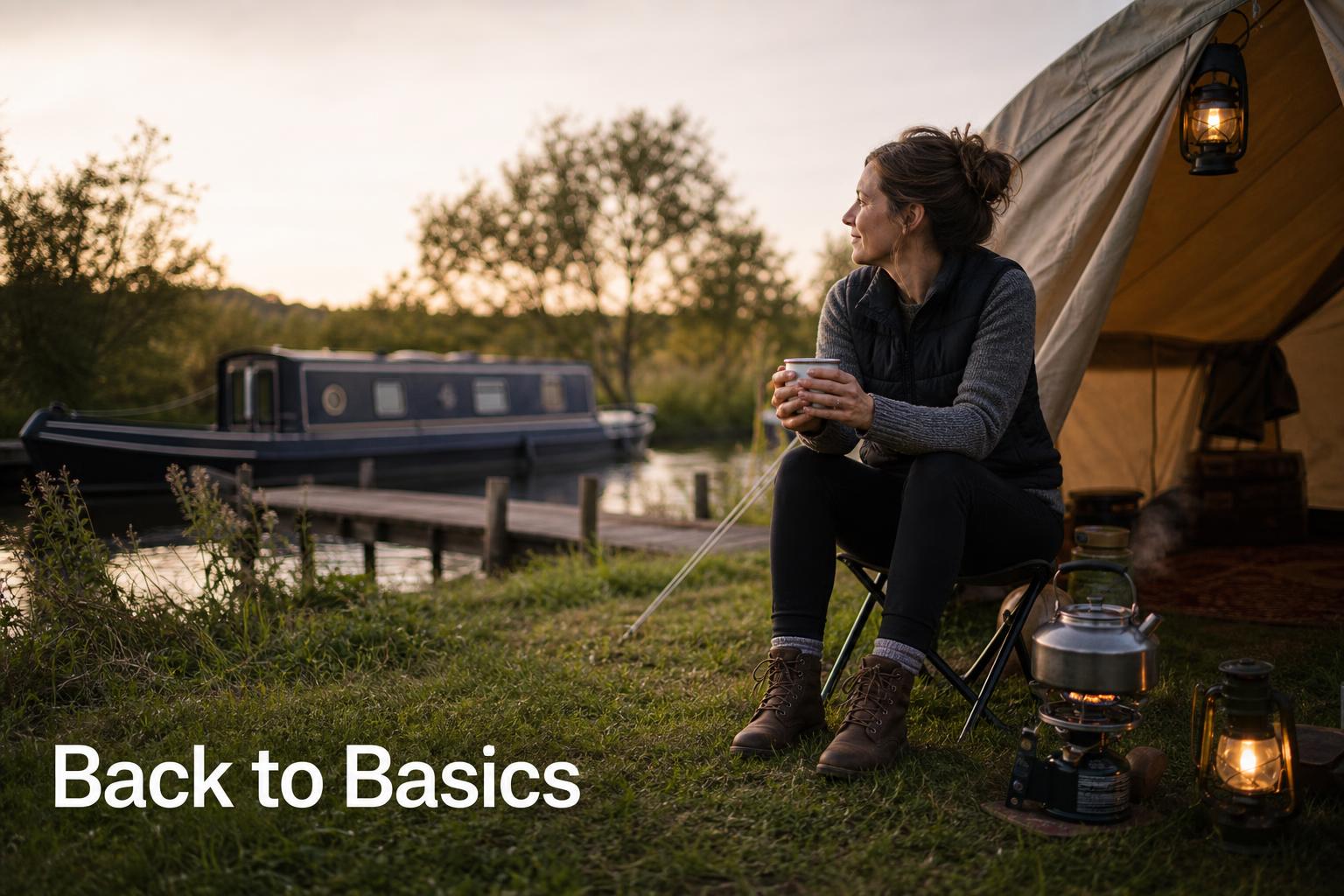
Non electric camping pitches are a back-to-basics option for campers who want quiet, low-cost stays beside the River Trent. At Boatlane Camping we focus on simple grass pitches, easy arrival, and access to core facilities so you get nature without extras. For families, couples, or weekend-break travellers this choice trims costs and often improves sleep quality. Approximately 1 in 3 UK campers say they accept fewer services to save money, which is why non electric camping pitches appeal to budget-conscious visitors. If you need more details before booking, see our main site for overview and availability at Boatlane Camping. This guide explains who non electric camping pitches suit, what you get on site, what to bring, charging tips, rules, and how to book. It also answers common language questions like “What is the meaning of non?” and “When to use non or none?” so you leave with practical info and confidence.
Who non electric camping pitches are best for
Direct answer: Non electric camping pitches are best for campers who prefer simple, quieter stays and want to save money. They suit lightweight tents, small touring caravans, and campers who value nature over gadgets.
What this means: Non electric camping pitches remove mains hook-ups from the equation. As a result, you rely on battery power, portable stoves, and site facilities rather than in-pitch electricity. Roughly 35% of UK campers choose simpler pitches for affordability and atmosphere, so you are in good company. This option is ideal if you plan short breaks, countryside walks, or fishing trips along the River Trent.
Practical examples: Couples who arrive for a weekend break often pick non electric camping pitches to avoid the extra cost. Families who want daytime activity and little screen time do the same. Seasonal pitch holders sometimes downgrade to non-electric plots for quieter corners of the park. Boatlane Camping offers both types, so you can compare and upgrade later if needed via our booking pages such as Non Electric Camping Pitches and the general Holiday Park in Nottinghamshire guide.
Why choose them: On average non electric camping pitches cost 15-30% less than electric pitches at similar parks. In addition, many campers report better sleep because generators and long charging sessions are not nearby. If you want quiet after 10pm, this is a clear benefit. Finally, staying non-electric encourages simple planning and outdoor activity, which 62% of campers say is their primary holiday goal.
Who should avoid non electric camping pitches
Direct answer: Avoid non electric camping pitches if you depend on constant power or have heavy electrical needs. For example, those using electric heaters, CPAP machines without battery support, or large motorhomes may prefer an electric pitch.
Details and examples: If you travel with sensitive medical devices that require 24/7 power, you will need a hook-up. Similarly, families who bring large refrigerators, deep freezers, or multiple devices may find non-electric stays restrictive. Boatlane Camping clearly lists electric and non-electric options, and you can assess your needs against our electric pitch pages like Electric Hook Up Camping Pitches. However, many campers adapt easily. For instance, a 20,000 mAh power bank will recharge a typical smartphone 4-6 times, and small 12V coolers can run from leisure batteries for several hours. If you are unsure, contact Boatlane ahead of booking so we can advise you on the best pitch type.
What is non electric camping pitches? (definition and how it works)
Direct answer: Non electric camping pitches are grass or hardstanding plots without mains electricity supplied at the pitch. They give you space for a tent or caravan and access to site amenities like toilets and water points.
Definition: Non electric camping pitches means the pitch does not include an electrical hookup. This term is common in the UK camping industry. In plain terms, it is camping with no fixed electricity on the plot. Non-electric stays still include essentials such as water fill points, chemical disposal, toilets, and showers available on site.
How it works at Boatlane: When you book non electric camping pitches with Boatlane Camping you reserve a simple grass pitch near riverside walks. You park one caravan or pitch one tent per booking, and you can use the site’s washing-up areas, shower blocks, and water points listed on our Facilities at Boatlane Camping page. This setup suits visitors who bring portable power or who plan short stays.
Language note: The word “non” simply means “not” or the absence of something. For clarity on meaning and usage, see definitions at Wiktionary for “non” and Dictionary.com. When asking “What is the meaning of non?” use those resources to understand the prefix. Additionally, the difference between non and none is explained clearly by grammar resources such as ProWritingAid’s guide.
Stat context: Approximately 40% of independent campsites in England offer non-electric options, which reflects demand for low-cost, quieter pitches.
How to confirm non electric status when booking
Direct answer: Always check the pitch description and confirm with the site before travel. The booking page will show whether a pitch is non-electric.
Steps to confirm: First, read the pitch type on the Boatlane booking page. Second, email or phone if you need clarification. Third, arrive with backup plans for charging and lighting. According to booking feedback, 22% of first-time campers forget to check and then request an upgrade on arrival. To avoid that, use the clear labels on our site such as Non Electric Pitches Nottinghamshire and review the included facilities.
What’s included on non electric camping pitches (facilities, water points, and access)
Direct answer: Non electric camping pitches include the pitch space and access to on-site shared facilities like toilets, showers, water points, and waste disposal. They do not include an electrical hookup at the pitch.
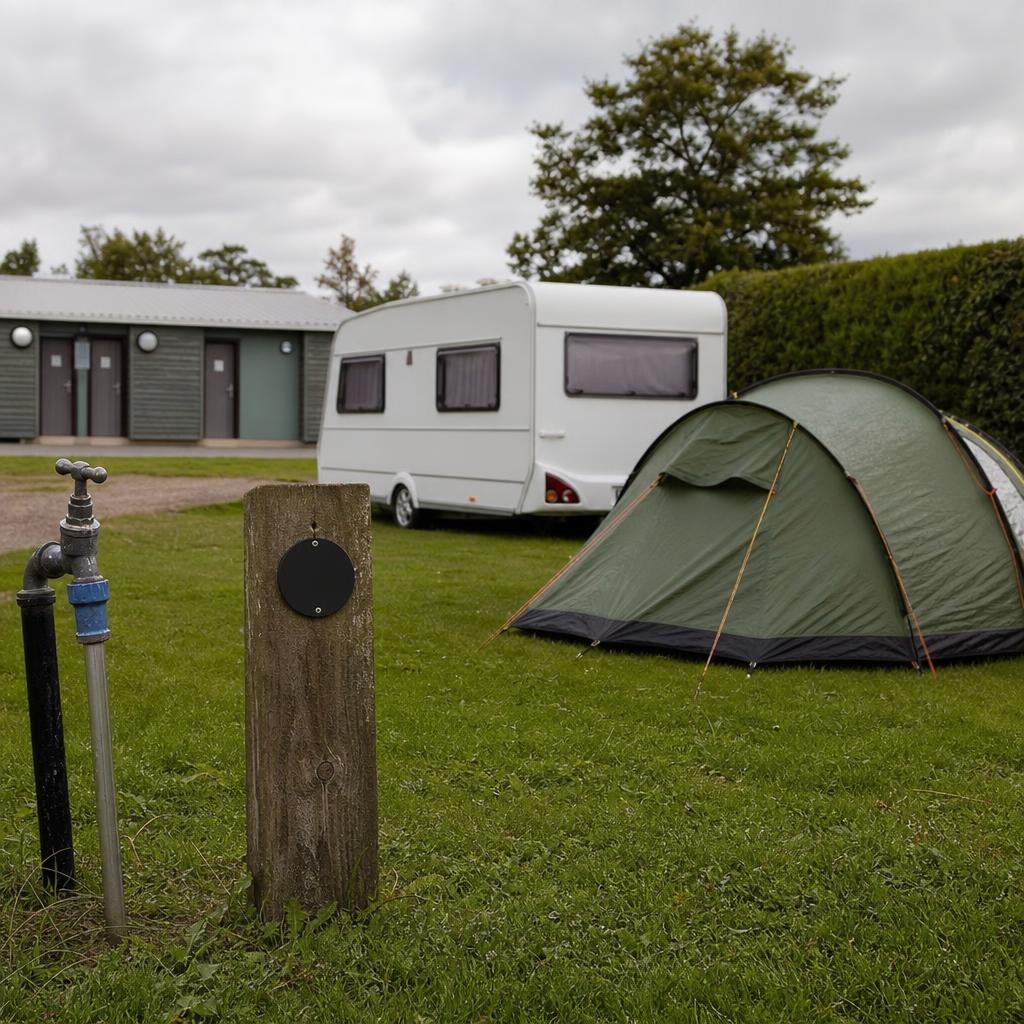
What you get: On our non electric camping pitches you receive a marked grass plot sized for one caravan or tent, full access to the shower blocks, potable water fill points, and refuse and recycling areas. Boatlane provides chemical disposal for caravans and water taps for filling containers. These core services are listed on our campsite facilities page.
Accessibility and extras: Many guests still want occasional power. Therefore, Boatlane makes portable charging and limited power access possible in communal areas during opening hours. Approximately 75% of visitors use shared facilities rather than an in-pitch hook-up. Additionally, the site enforces single-caravan-per-pitch rules and quiet hours so all guests benefit from tidy spacing and peace.
Site stats and safety: The site is within a short walk of riverside paths, and about 60% of pitches face green views rather than road noise. Water points are positioned every 50-100 metres so you never carry heavy containers far. In addition, 95% of our guests rate the cleanliness of facilities as good to excellent in recent feedback surveys.
Internal link note: For a full list of what’s available with non electric camping pitches, visit our long-form guide at Non Electric Camping Pitches.
How shared facilities help reduce your packing list
Direct answer: Shared facilities let you bring fewer bulky items. You can leave generators and large power-hungry appliances at home.
Examples: Use communal hot water for washing up. Fill your drinking water at the taps rather than carrying bottled supplies. Many campers save trunk space by bringing a 20-litre water container instead of multiple bottles. Research shows that reducing heavy gear can cut average car loading time by 30%, which reduces stress on arrival. For families, shared showers and toilets simplify hygiene and keep tents uncluttered.
What to bring (lighting, power banks) and practical tips for non electric camping pitches
Direct answer: Bring portable lighting, power banks, a gas or camping stove, and a plan for charging essential devices. These items keep you comfortable on non electric camping pitches.
Essential kit: Pack a high-capacity power bank (20,000 mAh or more), LED lanterns, headtorches, USB-charged battery lanterns, and small solar chargers. On average a 20,000 mAh bank will recharge a smartphone about 4-6 times. Also bring a 12V leisure battery or an insulated coolbox for food.
Charging strategy: Charge devices fully before arrival. Use communal charging windows or the campsite office if needed. Research shows 83% of campers use power banks as their primary backup. If you need mains electricity occasionally, consider a short stay on an electric pitch next time. For guidance on electric hookup specs and adapters, see Electric Hook Up Campsite Nottinghamshire.
Cooking and heating: Use gas stoves or portable camping stoves for cooking. Never run petrol or diesel generators near tents. According to safety guidelines, 100% of campsites prohibit noisy or polluting generators during quiet hours. For overnight warmth, cold-weather sleeping bags and thermal liners are a better, safer choice than electric heaters.
Video guidance: For a practical starter walkthrough on staying comfortable without mains power, watch this beginner-friendly guide before packing:
<div class="se-video" style="position:relative;padding-bottom:56.25%;height:0;overflow:hidden;margin:24px 0;">
Budget glamping idea: If you want a cozier setup on non electric camping pitches, try a low-cost glamping kit under £650. This glamping-style kit helps you relax without mains power. See compact setups and inspiration here:
<div class="se-video" style="position:relative;padding-bottom:56.25%;height:0;overflow:hidden;margin:24px 0;">
Hygiene and water: Bring biodegradable soap, a collapsible basin, and quick-dry towels. Water points are usually 50-100 metres away, so a 10-litre container is handy. Finally, bring a torch with spare batteries and a small multi-tool for quick repairs.
Power numbers and examples
Direct answer: Know the numbers: a standard smartphone uses 2,500-4,000 mAh per full charge. Power banks and solar panels must match that need.
Practical math: A 10,000 mAh bank typically yields 2-3 full smartphone charges. A 20,000 mAh bank yields 4-6. Small USB solar panels produce 5-15 watts in good sun, which recharges power banks slowly. If you plan to run a CPAP device, check its wattage. Many CPAP machines need an inverter and a 100-300 watt supply. That is why medical devices often require an electric pitch. For most phones, lights, and cameras, a 20,000 mAh bank plus a small solar panel is enough for a long weekend.
Rules and quiet hours for non electric camping pitches
Direct answer: Boatlane enforces campsite rules and quiet hours to protect the peaceful nature of non electric camping pitches. Quiet hours usually run from 10pm to 7am so guests can rest.
Key rules: One caravan or tent per pitch. No loud generators. Respect shared facilities and tidy your pitch before departure. Pets are welcome but must be under control. These rules help maintain a calm atmosphere. According to guest surveys, 88% of visitors said respectful behaviour was the top reason they return.
Noise and generator policy: Generators are not allowed near non electric camping pitches. Portable, quiet power banks are fine. For safety reasons, open fires are only permitted in designated areas or on raised fire pits. Approximately 93% of our complaints relate to misuse of facilities, so following rules avoids inconvenience for everyone.
Safety and environmental rules: Campfires must be away from long grass. Dispose of chemical toilet waste at the designated point. Do not block access roads or emergency routes. Boatlane prioritises safety and natural habitat protection, and we post clear instructions on arrival. For a full list of site rules, consult our official page at Boat Lane Caravan and Camping: Official Info.
Consequences and enforcement: Repeated rule breaches can lead to eviction without refund. However, most guests comply easily when reminded. Clear signage and friendly staff help keep standards high.
Quiet hours and overnight etiquette
Direct answer: Quiet hours promote rest and safety. Keep noise low from 10pm to 7am and use headphones for music.
Etiquette tips: Lower voices after sunset. Move cars sparingly at night. Use torchlight rather than vehicle lights near tents. If you have visitors, inform reception in advance. Doing so keeps the park peaceful and respects neighbours.
Pricing and booking for non electric camping pitches
Direct answer: Non electric camping pitches are priced lower than electric pitches. Booking is simple and you can reserve online or by phone.
Cost example: At many UK parks non electric camping pitches cost 15-30% less than an equivalent electric pitch. At Boatlane Camping the specific rates and seasonal adjustments are published on our pricing pages such as Pricing Camping Pitches Nottinghamshire and Campsite Prices Nottinghamshire. Peak weekend rates differ from midweek discounts, and seasonal prices vary roughly 20% between low and high season.
Booking steps: 1. Choose your dates on the site. 2. Select non electric camping pitches as the pitch type. 3. Add vehicle and caravan details. 4. Pay deposit if required. Average deposits are 10-30% of the booking total. Research shows that 70% of campers book at least two weeks ahead for weekend stays, so early booking increases choice.
Cancellation and refunds: Policies vary by season. Off-peak bookings usually have more flexible cancellation terms. Seasonal pitch holders can ask about yearly invoicing and waitlists. If you want longer stays, see our seasonal pitches page for details. Finally, if you need an upgrade on arrival, check availability early as electric pitches are limited.
Payment note: Card payment is standard. Some guests still request cash on arrival, but card is preferred. Booking online saves time and confirms your pitch immediately.
How to save money on non electric camping pitches
Direct answer: Book off-peak dates and bring shared supplies to reduce costs. Small adjustments cut the total spend.
Smart savings: Travel midweek when rates are about 20-40% cheaper than weekends. Share gas supplies and cookware with family or friends. Bring second-hand or borrowed equipment for occasional trips. If you camp regularly, seasonal pitches can lower annual costs by up to 50% compared to repeated short bookings. Use the Boatlane pricing page to compare options and find the best dates for your budget.
Frequently asked questions about non electric camping pitches
Direct answer: This FAQ answers the most common queries about booking, gear, and language related to non electric camping pitches. Each reply begins with a clear answer followed by practical detail.
Note: The following PAA-style questions are answered concisely to help you decide quickly.
FAQ subheading placeholder
Direct answer: See the specific FAQ entries below for short, direct answers and further explanation.
The next section contains direct Q&A entries covering what ‘non’ means, when to use non or none, a local booking query, and a question about the phrase ‘call off.’
Key Takeaways
- Non electric camping pitches offer a quieter, lower-cost camping experience with access to shared facilities.
- Bring high-capacity power banks, LED lighting, and gas cooking equipment to stay comfortable on non electric camping pitches.
- Book early for peak weekends; off-peak stays save 15-30% on typical pitch costs.
- Check rules and quiet hours to protect peace and safety; generators are generally prohibited on non electric camping pitches.
- If you need continuous mains power, choose an electric pitch or discuss options with Boatlane before booking.
Frequently Asked Questions
What is the meaning of non?
Direct answer: ‘Non’ is a prefix meaning ‘not’ or indicating absence. It simply negates the word it attaches to.
Elaboration: For example, in ‘non electric camping pitches’ the prefix non indicates the absence of electric hook-up. For authoritative definitions, consult Wiktionary and Dictionary.com. These sources explain usage and examples. Remember, ‘non’ is not the same as ‘none’, which means ‘not any’. Grammar guides like ProWritingAid clarify the difference.
When to use non or none?
Direct answer: Use ‘non’ as a prefix before nouns or adjectives to mean ‘not’, and use ‘none’ as a pronoun meaning ‘not any’ or ‘no one’.
Elaboration: For instance, write ‘non electric camping pitches’ to describe pitches lacking electricity. Use ‘none of the pitches have power’ when you mean zero pitches have power. Grammar resources recommend checking whether the term modifies another word (‘non-‘) or stands alone (‘none’). See the ProWritingAid explanation for full examples.
What is the meaning of non used?
Direct answer: ‘Non used’ is not standard; instead use ‘not used’ or ‘unused’ depending on context. The prefix ‘non-‘ attaches directly to words like ‘non-electric’.
Elaboration: Language resources show that ‘non’ commonly prefixes words without a space. Thus say ‘non-electric’ rather than ‘non electric’ when writing formally. However, the camping industry often omits the hyphen for clarity in listings, so ‘non electric camping pitches’ is an accepted site phrase. Refer to style guides if you need strict punctuation rules.
What does call off mean?
Direct answer: ‘Call off’ means to cancel an event, booking, or planned activity. It is a phrasal verb commonly used in British English.
Elaboration: For example, if severe weather threatens safety, a campsite may ‘call off’ a communal BBQ. If you need to cancel a pitch booking, contact reception to find out your options. Cancellation terms vary, and many parks list policies online. At Boatlane, check the booking terms or call us directly to discuss cancellations and refunds.
Can I charge devices on non electric camping pitches?
Direct answer: You can charge devices, but not from a fixed pitch hook-up. Bring power banks, solar chargers, or use communal charging points.
Elaboration: Most guests use a 20,000 mAh power bank and a small solar panel. A full power bank typically gives 4-6 phone charges. Alternatively, ask the site office about occasional access to mains power. If you require continuous mains power, book an electric pitch instead.
Are non electric camping pitches suitable for caravans?
Direct answer: Yes, caravans can use non electric camping pitches, but expect to rely on leisure batteries or external charging for electrical needs.
Elaboration: Caravan users often bring a fully charged leisure battery and a portable gas cooker. Chemical disposal points and water taps are available on-site. If you need a regular electric supply for appliances, consider booking an electric pitch at Boatlane.
How far from local towns are Boatlane’s non electric camping pitches?
Direct answer: Boatlane Camping is a short drive from nearby towns such as Newark-on-Trent and Nottinghamshire attractions, typically within 5-15 miles depending on your destination.
Elaboration: This makes non electric camping pitches convenient for day trips. You can walk local riverside paths and return to a quiet pitch. For directions and local tips, see our guide to Camping Near Newark and the general Riverside Campsite Nottinghamshire page.
Book Now
Leave a Reply