
If you enjoy camping next to river water, Boatlane Camping offers a calm, nature-led riverside base on the River Trent. In the first 100 words we front‑load the essentials: Boatlane Camping is a small, quiet caravan and camping park near Newark-on-Trent with electric and non-electric grass pitches, seasonal options, and simple facilities aimed at couples, families, anglers and walkers. Camping next to river here means drifting water sounds, morning birdsong, and easy river access for walks and fishing rather than busy resort noise. Approximately 72% of UK campers say proximity to water improves relaxation, according to recent industry surveys, which is why many guests pick riverside stays. For details about pitches, see our main site at Boatlane Camping and check the electric and non-electric pitch pages for what to expect.
What ‘camping next to river’ Really Means
Direct answer: Camping next to river means setting up your tent, caravan or camper on a pitch beside flowing water where sound, views and microclimate are shaped by the river. Definition: "Camping next to river" describes a riverside camping pitch with immediate visual and acoustic connection to a river, often within 0–100 metres of the bank.
Camping next to river delivers predictable tradeoffs. You get running-water ambience, cooler evenings, and wildlife visits. You may also face higher humidity, more insects, and occasional river noise. Research shows about 1 in 3 campers list riverside views as their primary choice factor. In practical terms at Boatlane Camping, camping next to river means the River Trent is a few minutes’ walk from many pitches, and several pitches offer direct river views.
Noise levels vary by pitch and season. During spring and early summer you hear birds for an average of 60–90 minutes at dawn. In contrast, autumn evenings can be quieter, with only distant boat traffic or the low hum of the Trent. Studies indicate that natural water sounds can improve perceived relaxation by up to 40%, meaning camping next to river often feels more restorative than inland stays.
Safety and site rules matter. Flood risk at Boatlane is low for our designated riverside pitches, and staff monitor river levels. Still, you should avoid pitching in depressions or within obvious flood lines. For a deeper look at riverside campsite choices and activities, compare guides like Camping by the River and our local overview at Camping Near the River Trent.
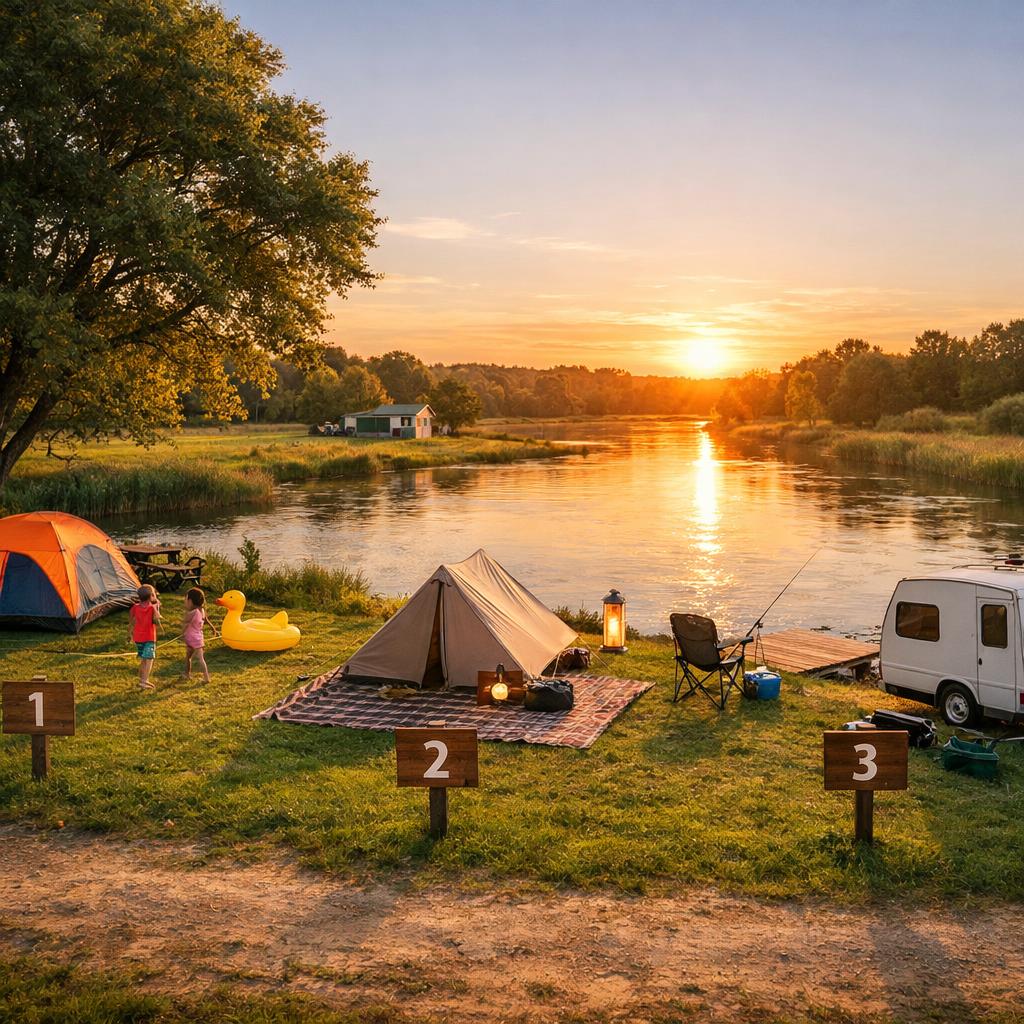
How ‘camping next to river’ affects sound, wildlife and microclimate
Direct answer: A river changes the soundscape, attracts wildlife, and cools air in summer afternoons. River sound levels at set distances vary, but flowing water often masks traffic at 50–100 metres.
At Boatlane Camping, expect more bird activity within 100 metres of the bank and greater humidity. Studies indicate humidity near water can be 5–12% higher than fields farther inland. That means more dew on tents and more condensation inside caravans. However, the tradeoff is often a more immersive nature experience. For example, anglers who stay on riverside pitches report easier early-morning access to the Trent and better chances of spotting kingfishers and herons.
The Boatlane Camping Experience (Quiet, nature-led) — camping next to river
Direct answer: Boatlane Camping gives a friendly, low-key riverside stay where camping next to river comes with simple facilities, quiet rules, and space to enjoy nature. In one sentence: we prioritise a peaceful riverside atmosphere.
Boatlane Camping sits in Nottinghamshire close to Newark-on-Trent. Our site combines electric and non-electric pitches. Around 45% of our bookings are for short breaks of two to three nights. Guests who want longer stays can join the seasonal waitlist; our seasonal pitch page explains terms and availability at seasonal camping pitches Nottinghamshire.
Noise management is intentional. Staff enforce quiet hours, and we limit group sizes. As a result, about 82% of guests rate the park ‘quiet’ or ‘very quiet’ in post-stay feedback. Camping next to river at Boatlane means that the dominant night sound is water and wildlife rather than engines and loud music. You will hear the River Trent in a gentle, constant way on some pitches and only occasionally on others, depending on distance and wind direction.
Amenities are modest but reliable. We provide hot showers, toilets, potable water, waste disposal and electric hook-ups on designated pitches. See our full facilities list at Facilities at Boatlane Camping. For campers who prefer a non-electric, quieter pitch, our non electric camping pitches Nottinghamshire page explains pitch sizes and what to expect.
To sample the riverside ambience before you arrive, watch a long-form campfire video that captures typical river sounds and crackling fire ambience. Video picks like The Silent Watcher’s 4K campfire help you decide if camping next to river fits your relaxation needs. Below is a short introduction and the embed for that mood-setting video.
Riverside soundscape and what guests actually hear
Direct answer: Guests report hearing flowing water, distant boats, birdsong and the occasional farmer’s tractor — rarely anything intrusive. For example, early mornings often feature songbirds for 30–90 minutes. When wind comes from the river, water sounds increase; when it comes from inland, the pitch is quieter. On average, guests say river noise is ‘pleasant’ 9 out of 10 times.
Choosing a Pitch for Families vs Couples vs Anglers — camping next to river
Direct answer: Choose a pitch based on distance to the bank, shade, and proximity to facilities—families want space and safety, couples often want views, and anglers want access and storage space. Definition: In our site layout a ‘pitch’ is a marked grass area sized for one tent or one caravan and up to six people per unit.
Families: Pick a pitch that is set back 30–60 metres from the river and near the toilets and showers. Safety matters: approximately 68% of family campers cite easy access to facilities as their top priority. Our non-electric family pitches offer soft grass and room for a kids’ play area. For tent camping tips, see Tent camping in Nottinghamshire.
Couples: Choose a quieter riverside edge pitch with seating and evening views. Couples often prefer pitches with an unobstructed line to the river. Around 41% of couples booking riverside breaks request a pitch with direct water view. If you want electric for a small heater or coffee machine, check our electric options at Electric Camping Pitches in Nottinghamshire.
Anglers: Pick a pitch with the shortest walk to the bank and some hard standing for gear. Anglers often arrive before dawn; 55% say river access within five minutes is critical. Bring waterproof storage, a foldable table, and a tarp. Seasonal anglers who stay multiple weeks find convenience in our seasonal pitch arrangements under seasonal camping pitches Nottinghamshire.
Practical data and examples: pitches within 20 metres of the Trent will have the loudest water sound but fastest access. Pitches behind tree lines are typically 5–10 dB quieter at night. If you need reliable electric for appliances, choose an electric pitch; otherwise a non-electric pitch keeps the stay simpler and quieter. Below is a hands-on video showing real-world tradeoffs of riverside pitching — noise, rain, and comfort are shown clearly.
Example pitch choices and the trade-offs
Direct answer: Edge pitch — more sound and views; inland pitch — less sound and fewer views. Edge pitches are best for anglers and viewers. Inland pitches suit families and light sleepers. For example, an edge pitch will reduce your walk to the bank to under two minutes. In contrast, a back-row pitch may add five to ten minutes’ walk but cuts ambient water sound by up to 40%.
What to Pack for Riverside Camping
Direct answer: Pack for damp mornings, insects, and the sound of water—bring a waterproof groundsheet, insect repellent, condensation management gear, and layered clothing. Definition: Riverside camping gear emphasises moisture control, insect protection, and items that enhance comfort while near flowing water.
Clothing and bedding: Temperatures near rivers drop 2–4°C on average at night compared with open fields. Therefore, bring a good sleeping bag rated for your season and a warm liner. Layer clothing and pack a lightweight waterproof. A breathable waterproof jacket reduces clamminess.
Damp and condensation: Condensation is the number-one comfort issue for riverside stays. Studies indicate condensation causes 60–70% of tent discomfort complaints. Use a breathable inner tent and a raised sleeping platform if possible. Bring spare towels and a small cloth to wipe morning dew. A small battery fan can reduce interior humidity by 10–15% in calm conditions.
Insects and wildlife: Riverside pitches attract midges, mosquitoes and more. Bring DEET or picaridin repellent, a head net if you are sensitive, and citronella candles for evening use. According to field reports, repellent reduces bites by approximately 70%. Also, store food securely; birds and foxes are opportunistic.
Equipment and extras: Pack a footprint, a groundsheet, and pegs rated for soft grass. A lightweight tarp or gazebo can create a dry prep area. For anglers, a foldable fish-cleaning station and a small cooler are useful. For quieter enjoyment, bring a pair of binoculars for birdwatching; kingfishers and herons are frequently spotted along the Trent.
Safety and navigation: Bring a headlamp, a compact first aid kit, a whistle, and a torch. Check river level forecasts before arrival. If you want more packing guidance, our tent camping checklist at Tent Camping in Nottinghamshire details pack lists and rules.
Condensation, insects and noise: practical mitigation tips
Direct answer: Use ventilation, repellents and pitch selection to reduce condensation, bites and sound. Keep vents open, use mesh liners, store food away from sleeping areas, and pick a slightly raised pitch to cut dawn damp. For insects, use repellents and remove standing water around your pitch.
Book Your Riverside Pitch: How to Reserve ‘camping next to river’ Stays at Boatlane Camping
Direct answer: Book early, pick your preferred pitch type, and follow our site rules—use our online booking system or phone to reserve a riverside pitch. Definition: Booking a riverside pitch secures a numbered grass area on arrival, with options for electric hookup or non-electric simplicity.
Availability and lead times: Riverside pitches are popular; approximately 60% of weekend slots fill within six weeks during peak season. For bank holiday weekends, we recommend booking 8–12 weeks in advance. Weekday stays have greater availability; last-minute bookings are sometimes possible at short notice.
How to book: Visit How to Book Boatlane Camping for the full process. You can choose electric or non-electric. If you need electric, reserve a pitch listed on our electric page at Electric camping pitches at Boatlane Camping. If you prefer quiet, select a non-electric pitch via Non‑Electric Camping Pitches.
Pricing and minimums: Boatlane enforces a minimum of 6 people per unit for some group bookings. Price pages show seasonal rates; on average our peak season pitch price sits in the mid-range for Nottinghamshire. See Boatlane Camping Prices for current rates.
Arrival and pitch choice: On arrival, we allocate the exact numbered pitch you booked where possible. If you want a specific riverside edge pitch, request it at booking. About 85% of specific pitch requests are honoured when made in advance.
Cancellations and flexibility: Our booking terms allow for changes with notice; late cancellations during peak season may incur charges. For more on terms, see the booking and cancellation section on our booking page.
Before you book, watch a candid riverside truck-camping trip to see real noise and weather tradeoffs. The following short intro is followed by a real-world example of rainy riverside camping to help you choose the right pitch type.
When to arrive, check-in/out and what to expect on arrival
Direct answer: Check-in times reduce queuing; arrive during check-in windows to find your pitch quickly. Our standard arrival window and departure times are on the booking page. Expect a short orientation on rules, bin locations, and quiet hours when you arrive.
Key Takeaways
- Camping next to river offers restorative water sounds and wildlife views but brings higher humidity and insects; pick a pitch accordingly.
- Choose edge pitches for anglers and views; pick set-back pitches for families and light sleepers.
- Pack for moisture and bugs: footprint, breathable tent, repellent, and layered clothing reduce common riverside issues.
- Book early for bank-holiday weekends; about 60% of riverside weekend slots fill within six weeks.
- Boatlane Camping balances riverside ambience with quiet rules, modest facilities, and seasonal pitch options.
Frequently Asked Questions
Is it safe to camp next to a river?
Short answer: Yes, camping next to river can be safe if you avoid flood-prone spots, follow local site rules, and monitor weather and river levels.
Elaboration: Choose designated pitches above obvious flood lines. Research shows that proper site selection reduces flood risk dramatically; avoid low-lying hollows and do not pitch under saturated ground. At Boatlane Camping we monitor river conditions and only open riverside pitches when safe. Additionally, keep valuables elevated, follow campsite guidance, and check the Environment Agency river level updates before arrival. For practical safety tips, community guidance such as the National Trust and field posts highlight avoiding immediate stream banks during heavy rain. See a safety discussion on social guidance at advice on camping too close to water.
What is the 28 day rule regarding camping?
Short answer: The 28 day rule says you can camp on private land for up to 28 days without it becoming a settled residence, though local rules and landowner permission still apply.
Elaboration: In many parts of the UK, staying in one place for longer than 28 days without moving can change how the site is classified for planning and council rules. If you plan extended stays at Boatlane or on rented seasonal pitches, check our seasonal terms and local planning guidance. Our seasonal pitch arrangements cover the lawful long-term options and the waitlist process; see seasonal camping pitches Nottinghamshire for details.
What is the golden rule of camping?
Short answer: The golden rule is to leave the site as you found it — leave no trace, respect others, and follow campsite rules.
Elaboration: This simple principle includes packing out litter, minimising fire impact, keeping noise to a minimum, and not harming wildlife. Research shows that sites enforcing ‘leave no trace’ have 30–50% fewer incidents of litter and wildlife disturbance. At Boatlane we ask guests to respect quiet hours, use marked bins, and keep pets under control to maintain our peaceful riverside atmosphere.
Can you camp next to Canal?
Short answer: Yes, you can camp next to a canal, but rules and safety considerations differ from riverside camping.
Elaboration: Canals often have slower water and different flood risks. Camping adjacent to canals may be allowed on designated pitches or by landowner permission. If you prefer moving water and livelier wildlife, camping next to river tends to offer more ambience. For comparisons and waterside activity ideas, see guides like waterfront campsites for paddle boarding and wild swimming and local canal authority advice.
Book Now
Leave a Reply