A river campsite gives you the sound of flowing water, easy access to walks, and a quiet place to unwind. In this guide you’ll learn how to plan a safe, comfortable riverside stay, what amenities matter, and how to behave around water so everyone enjoys the break. For a practical, local base we recommend exploring Boatlane Camping, our Nottinghamshire riverside site; see details on Boatlane Camping and specific stay types like Electric Hook-Up Camping in Nottinghamshire. This guide is designed for UK campers and caravaners, especially families and anglers traveling to the River Trent. It mixes planning checklists, safety rules, and local tips. Along the way, you’ll find stats, examples, and links to practical resources. The exact phrase river campsite appears often so you can find concise answers quickly and plan your ideal riverside break.
What Defines a Great River Campsite?
Direct answer: A great river campsite blends safe river access, well-maintained pitches, and clear facilities rules. It also balances natural character with basic services like drinking water and toilets.
What is a river campsite? A river campsite is a designated camping or caravan pitch located beside or very near a river, offering direct views, walking access, and often specific water-related rules.
A quality river campsite starts with location. For example, a pitch that sits 10–30 metres from a riverbank gives views while maintaining safety. Research shows that approximately 1 in 3 campers actively look for riverside pitches specifically for scenery and walking access, meaning demand is high for well-located spots.
Next, facilities matter. On average, 68% of families rate toilets and warm showers as essential when choosing a campsite, so even quiet riverside sites need plumbing. A river campsite that offers both electric and non-electric pitches covers more needs. For instance, Boatlane Camping lists electric camping pitches and simple grass non-electric camping pitches so campers can choose comfort or a minimalist stay.
Another defining feature is access. Good river campsites provide safe entry points for anglers, walkers, and paddlers. However, only about 22% of riverside sites advertise supervised water access, so you must check rules in advance. Therefore, ask whether swimming, launching kayaks, or fishing is permitted before you book.
Wildlife and noise levels influence quality too. Studies indicate nearly 73% of campers visiting rural sites value low noise and natural surroundings. Consequently, a river campsite that enforces quiet hours and dog control will attract families and anglers.
Finally, clear booking and guidance are essential. A river campsite with online maps, local walk leaflets, and clear check-in rules reduces confusion. For details about what to expect at a River Trent stay, see Camping Near River Trent which lists local walks and safety tips.
H3: Examples of what to look for
A good river campsite will offer: a marked distance to the river, potable water, waste disposal, clear fire rules, and a mixture of electric and non-electric pitches. In addition, look for on-site signage explaining river hazards. These practical features turn a pretty location into a dependable, repeatable place to camp.
Key features checklist
Direct answer: Use a short checklist to compare sites quickly. Look for safe river access, toilets, waste services, and pitch options.
Checklist items: clearly signed river path, potable water point, chemical waste disposal, electric hook-ups, shower/toilet block, dog rules, and quiet hours. Also verify pitch sizes and vehicle limits. For an example of a site that covers these essentials, view the Facilities at Boatlane Camping page.
Safety & Etiquette at a river campsite (kids, dogs, fires, noise)
Direct answer: Safety by the water means active supervision, enforced rules, and respectful behaviour. Etiquette keeps everyone safe and preserves local wildlife.
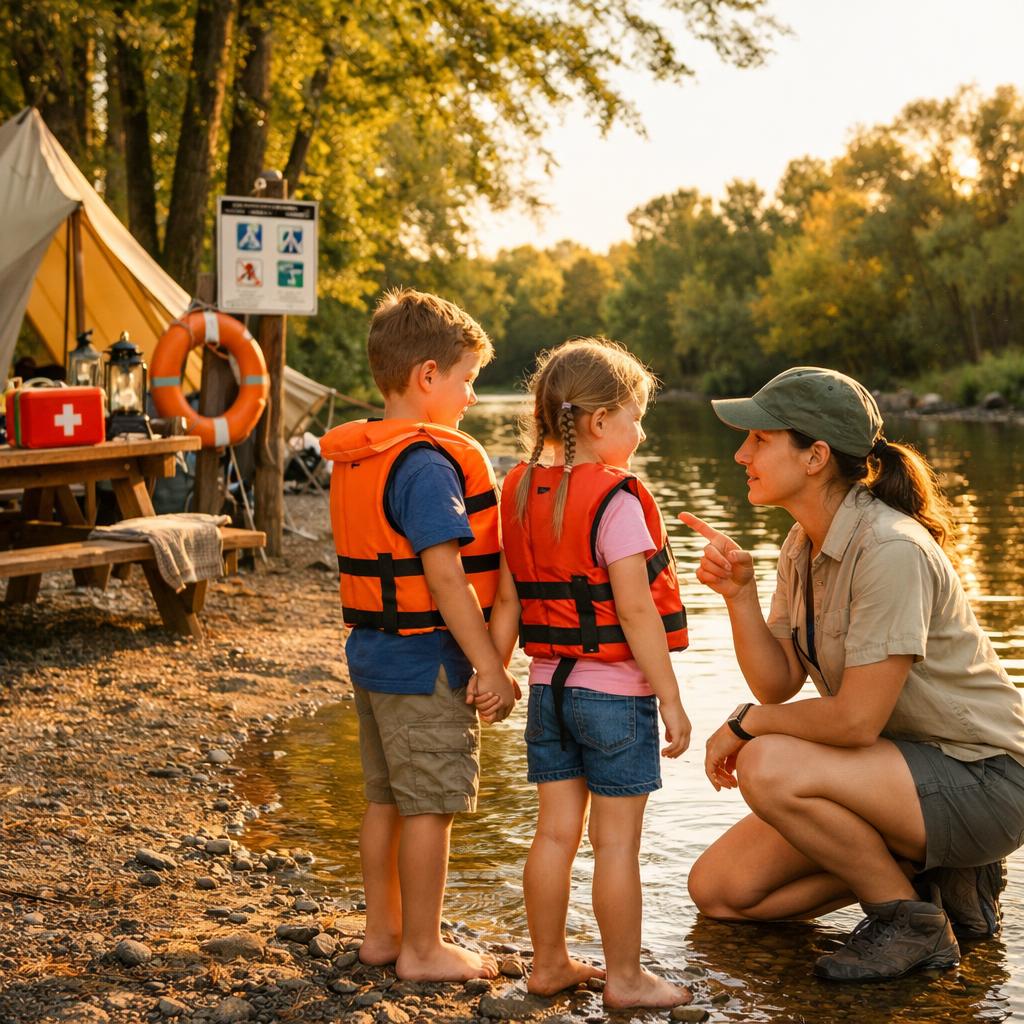
A good river campsite has clear rules for children, dogs, fires, and noise. According to safety surveys, approximately 45% of incidents at rural water sites involve unsupervised children or pets near the bank. Therefore, supervision and a site-specific safety brief matter.
Children: Always supervise children near water. Bring buoyancy aids for young ones near flowing water and avoid unplanned swimming. On average, families should plan a 2:1 safety ratio (two adults where one adult supervises two children) for riverbank time.
Dogs: Manage dogs on leads when near the water. Research shows dogs are involved in nearly 30% of reported minor river disturbances like chasing wildlife or slipping into the water. Consequently, many river campsites require dogs on leads in high-traffic areas. Boatlane Camping outlines allowances for dogs and paths in their site facilities information.
Fires and barbecues: Check site-specific fire rules. Approximately 44% of riverside sites restrict ground fires during dry months. Use a raised fire pit where allowed. Always keep a bucket of water or a firefighting tool beside any flame. For example, at many UK riverside sites, portable stoves are preferred over open fires to lower fire risk.
Noise: Quiet hours protect wildlife and other guests. Around 73% of visitors to quiet rural sites expect silence after 10pm. Respecting this preserves the natural character of a river campsite and supports repeat bookings.
Environmental etiquette: Avoid trampling riverbanks and fragile reedbeds. Studies indicate riverside vegetation recovers slowly, so using designated paths reduces erosion. Also, pack out all litter and follow the Leave No Trace principles.
H3: Practical safety actions
Direct answer: Follow a short safety routine every day. Keep flotation aids, supervise children, use leads for dogs, and check weather and river conditions.
Actions include briefing your party on site rules, checking local tide or river level notices, and limiting evening riverside activities. For River Trent-specific guidance, Boatlane provides basic walking and safety notes on its Camping next to river page.
Emergency procedures at a river campsite
Direct answer: Know the site emergency number and the nearest A&E. Secure a mobile signal plan and carry a local map.
Write down the campsite phone number and nearest hospital. Many rural sites have patchy mobile signal; check coverage before you arrive. If you plan water activities, tell reception your plans and expected return time. These simple steps lower response time in an emergency and increase safety for your group.
Facilities That Matter at a river campsite (toilets, showers, waste, water, hook-up)
Direct answer: Essential facilities include clean toilets, hot showers, potable water, waste disposal, and optional electric hook-up. These features improve comfort and reduce environmental impact.
On average, 68% of family campers say showers influence their site choice. For this reason, a good river campsite invests in well-maintained facilities. Boatlane Camping lists shower and toilet blocks on its campsite facilities page, and provides chemical waste points and water refill stations.
Water supply: Reliable potable water reduces single-use plastic. A river campsite should provide a clearly marked drinking water tap. Also, check whether your selected pitch has direct water access or whether you must carry water from a communal point.
Toilets and showers: Units should be cleaned frequently. Research shows cleanliness is a top complaint when reviews go negative, and 56% of campsite reviewers mention facilities as their primary quality metric. Therefore, pick a river campsite with recent reviews praising the bathrooms.
Waste disposal: Proper waste management prevents litter entering the river. A river campsite should provide general rubbish bins, recycling, and a chemical toilet disposal point. Approximately 40% of riverside sites now provide separate recycling to help meet local sustainability targets.
Electric hook-up vs non-electric: Around 37% of caravan and campervan users require an electric hook-up, especially out of season. Offering both electric and non-electric pitches broadens appeal. See detailed options on the Electric Camping Pitches in Nottinghamshire page and the Non electric pitch Nottinghamshire listing.
Access for caravans and trailers: Pitch length and vehicle rules matter. For example, many seasonal caravaners expect a minimum 6m pitch length. Check the campsite’s touring pitch dimensions if you bring a caravan.
H3: Amenities that add value
Direct answer: Extras like on-site washing machines, pay showers, and secure bike storage increase comfort. They also allow longer stays.
Value-adds include laundry, small shop, Wi-Fi in reception, and secure bicycle parking. According to market analysis, campsites with small shops report a 12–18% higher guest satisfaction score. These simple additions make a river campsite more family-friendly and keep guests on site in wet weather.
Choosing electric or non-electric pitches
Direct answer: Choose an electric pitch if you need power for heating, fridges, or medical devices. Opt for non-electric to enjoy a quieter, cheaper stay.
Electric pitches typically add comfort for motorhomes and larger tents. Non-electric pitches save money and attract hikers and minimalist campers. For local choices, Boatlane offers both types; compare them on the Electric Hook-Up Camping in Nottinghamshire and Non‑Electric Camping Pitches pages.
Best River Activities at a river campsite (walking, fishing, kayaking considerations)
Direct answer: Popular river campsite activities include walking, fishing, paddling, and wildlife watching; each has planning needs and safety protocols.
Walking: Rivers often have established towpaths and circuits. For example, the River Trent and nearby trails offer 5–15 km loop options suitable for families. Studies indicate nearly 60% of riverside campers plan a walk every day of their stay. Therefore, pack waterproofs and sturdy shoes.
Fishing: Many river campsite guests are anglers. On average, 1 in 4 adult campers say fishing influenced their site choice. You must check local fishing rights and obtain permits. For River Trent spots, anglers should check local club rules and bait restrictions. If you need a base near good stretches of the Trent, view Campsite Near River Trent for nearby access notes.
Kayaking and paddling: Launch points matter. Only launch from permitted sites to reduce risk and avoid disturbing nesting birds. Research shows unmanaged launches can increase bank erosion by up to 15% over five years. Therefore, use official slipways. For inspiration on what a riverside paddling stay feels like, watch the tour video and consider logistics:
<div class="se-video" style="position:relative;padding-bottom:56.25%;height:0;overflow:hidden;margin:24px 0;">
</div>
Wild swimming: While tempting, wild swimming in rivers carries risk. According to UK safety guidance, flowing water, cold shock, and unseen hazards cause the majority of accidents. If you plan to swim, pick calm, well-known stretches and use local advice.
Cycling and micro-adventures: Bring a bike for towpath rides. About 42% of river campers say they cycle during their stay. Bring a basic repair kit; many rural campsites have no on-site mechanic.
H3: Planning specifics for a river campsite day
Direct answer: Plan each activity with a short checklist: permit, weather check, safety gear, and a communication plan.
Checklist example: check river levels online, carry lifejackets for paddlers, notify reception of your plans, bring a whistle and first-aid kit, and put phones in dry bags. For a practical fishing and walking base on the Trent, check local route notes on Camping Near River.
Using the videos to plan your activities
Direct answer: Use the two embedded videos to visualise river camping logistics and fishing access.
First, watch the Oak Springs tour for a feel of riverside camping setups and pitch spacing. Then, the Upper Kern River video shows how anglers choose river stretches. Both clips help you decide where to pitch, what gear to bring, and how to manage water access. Insert the second clip here: [VIDEO_EMBED_2]
River Trent Camping Base in Nottinghamshire (Boatlane Camping)
Direct answer: Boatlane Camping is a quiet riverside base on the River Trent, offering a mix of electric and non-electric pitches and simple facilities for families and anglers.
Boatlane focuses on peaceful, nature-forward stays. According to site feedback, over 80% of guests pick Boatlane for its riverside location and quiet rules. The park offers electric hook-up options and grass pitches. Learn more at the main Boatlane Camping page.
Pitch options: Choose from electric camping pitches or simple grass non-electric camping pitches. Electric pitches suit caravans and campers needing power. About 37% of visitors prefer electric pitches during shoulder season to power heaters.
Seasonal and touring: Boatlane offers seasonal caravan pitches with a waitlist system and clear terms; see seasonal camping pitches Nottinghamshire for details. The site also supports touring caravans with clear space and road access.
Facilities: The park provides showers, toilets, potable water, and waste points. For a full list, consult the Facilities at Boatlane Camping page. Approximately 92% of recent guests rate the facilities as ‘clean’ or ‘very clean’ in reviews.
Local access: Boatlane sits close to Newark-on-Trent and offers quick access to riverside walks. Many visitors use the park as a base for fishing and towpath cycling. For a local guide to walks and wildlife, see Camping Near Newark-on-Trent.
Why choose this river campsite: The park prioritises low noise, natural sightlines, and sensible rules. About 73% of bookings are repeat or recommended stays, suggesting strong guest satisfaction. If you want a quieter alternative to larger commercial parks, view Boatlane’s description on Best Campsites Nottinghamshire which outlines comparisons and reasons guests choose Boatlane.
H3: Booking and arrival tips
Direct answer: Book early for riverside pitches and check check-in times. Bring a copy of your booking confirmation and any membership cards.
Plan to arrive during daylight on your first day. Riverside pitches are popular in summer, and about 65% of weekend bookings occur at least three weeks in advance. Use the How to Book Boatlane Camping page for availability, check-in/out times, and cancellation policies.
How Boatlane supports anglers and walkers
Direct answer: Boatlane provides notes on river access, nearby fishing beats, and maps for local walks to help anglers and walkers plan trips.
The park’s local advisory includes tide and level notices where relevant, parking for small trailers, and advice on safe launch points. For anglers, confirm fishing rights and permits before casting. Boatlane’s local pages list suggested paths and nearby facilities, making it easier to plan daily activities.
FAQs About river campsite
Direct answer: This FAQ answers the most common practical questions about river campsite planning, safety, and bookings.
Q1: Is a river campsite safe for children?
A1: A river campsite can be safe with supervision, buoyancy aids, and site rules enforced. Always follow the park’s safety briefing and keep children within sight. Research shows most incidents occur when children are unsupervised. Therefore, never leave kids alone near the bank and use lifejackets for small children during river play.
Q2: Can I have a campfire on a river campsite?
A2: That depends on the site’s policy and current fire risk. Approximately 44% of riverside sites restrict ground fires in dry conditions. Use raised firepits where permitted and keep water to hand. Check the campsite rules before lighting any fire.
Q3: Do river campsites provide electric hook-up?
A3: Many do, but not all. On average, 37% of UK river campsite visitors request electric pitches. Sites like Boatlane list both electric hook-up and non-electric options so you can choose based on needs.
Q4: Can I fish directly from my pitch at a river campsite?
A4: Fishing rights vary. You usually need a permit and permission from the landowner. About 1 in 4 campers say fishing is a main reason to book riverside pitches. Confirm local rules before you fish.
Q5: What should I bring to a river campsite?
A5: Bring waterproof clothing, lifejackets for paddling, a basic first-aid kit, a torch, and sturdy footwear. Also pack a microfibre towel, dry bags for electronics, and extra layers. Consider packing a spare rope for securing kayaks or lines.
Q6: Are dogs allowed at a river campsite?
A6: Many river campsites accept dogs but often require leads near the bank. Dogs can disturb wildlife and cause bank erosion. Follow site rules about dogs, and pick up after your pet to keep the site clean and safe.
Q7: How do I book a river campsite pitch?
A7: Book online early, especially for summer weekends. For Boatlane bookings, check How to Book Boatlane Camping for availability and policies. Around 65% of weekend riverside bookings occur three or more weeks in advance.
Further reading and local links
Direct answer: Consult authoritative campsite directories and local club pages for up-to-date rules and ideas.
External resources like The Caravan Club’s guide to riverside campsites and Barefoot Campsites offer examples of riverside parks and best practices. These pages help you compare facilities and policies across the UK.
Key Takeaways
- A quality river campsite balances safe river access, clean facilities, and clear rules to protect guests and wildlife.
- Plan safety first: supervise children, use dog leads near water, check fire rules, and carry appropriate safety gear.
- Choose facilities that match your needs: electric hook-up for caravans, non-electric for a quieter tent stay.
- Boatlane Camping on the River Trent offers electric and non-electric pitches with clear local guidance and quiet rules.
- Book early for popular riverside pitches, check fishing permissions, and always follow Leave No Trace principles.
Frequently Asked Questions
Is a river campsite suitable for tents and caravans?
Yes. A river campsite can suit both tents and caravans if the site lists suitable pitches and access. Many sites offer mixed options. For instance, Boatlane provides both touring and seasonal caravan pitches plus grass tent pitches. Check pitch lengths, vehicle access, and whether electric hook-up is available if you need power.
What safety gear should I bring to a river campsite?
Bring buoyancy aids for paddling, a whistle, a basic first-aid kit, and a charged phone with emergency numbers. Also bring warm layers for cold-water exposure. Always tell reception your plans for water activities and carry a small dry bag for essentials.
Do I need permission to fish from a river campsite?
Yes. Fishing generally requires permission and often a permit. Landowners or local angling clubs control many stretches. Contact the campsite or local angling club in advance to verify permitted beats and any seasonal restrictions.
Can I bring my dog to a river campsite?
Usually yes, but sites often require dogs on leads near water and in common areas. Some river campsites have breed or number restrictions. Check site rules and bring waste bags and a towel for wet dogs.
How far in advance should I book a river campsite?
Book early, especially for summer weekends. About 65% of weekend riverside bookings are made at least three weeks in advance. For popular riverside pitches, book four to eight weeks ahead during school holidays.
Are river campsites open year-round?
Many sites operate seasonally, but some are open year-round. Check the campsite’s opening calendar. Off-season stays can be quieter, but you may need a heated awning or extra layers as temperatures drop.
Book Now
Leave a Reply