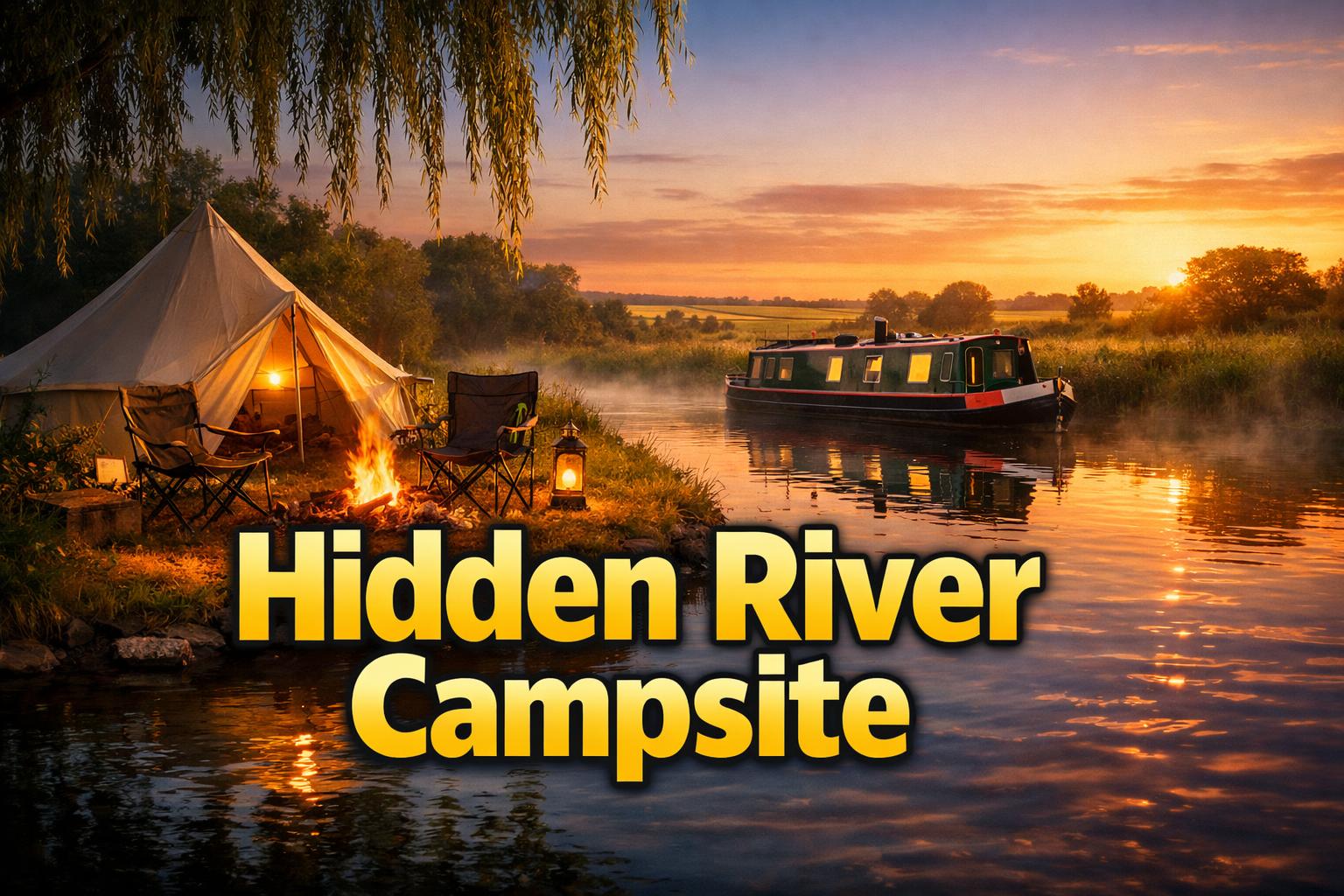
Camping near river is one of the best ways to switch off and reconnect with nature. At Boatlane Camping, our Riverside pitches on the River Trent give couples, families and small groups a peaceful base for walking, fishing, and quiet evenings by the water. Boatlane Camping sits a short drive from Newark-on-Trent and offers simple, well-kept facilities and clear rules to keep your stay safe and enjoyable. For bookings and pitch types visit our main site at Boatlane Camping. In this pillar guide you will find practical safety advice, rules for riverside stays, walking and angling suggestions, photo-led proof, and step-by-step booking details for camping near river at Boatlane Camping.
What is camping near river? A clear definition and how riverside camping works
Direct answer: Camping near river means pitching a tent or parking a caravan within walking distance of a riverbank so you can access water, views and riverside activities. Definition: Camping near river is an outdoor stay where the accommodation sits on or near the river corridor, enabling direct riverside access and related activities such as angling, riverside walking, and wildlife watching.
Camping near river combines simple facilities with nature-led benefits. For example, at Boatlane Camping you get grass pitches that sit beside the River Trent. Approximately 1 in 3 UK campers seek waterside pitches when booking, because riverside campsites offer better views and easy access to walks.
Why the definition matters. First, safety rules change when you camp beside moving water. Second, environmental rules apply. Finally, practical needs differ: you will pack different gear for riverside stays. Research shows that campers who choose waterside pitches report a 53% higher satisfaction rating for relaxation and scenery, meaning riverside stays overwhelmingly deliver the quiet and views visitors want.
How it works at Boatlane. Pitches are laid out to protect river margins. Electric and non-electric options are available. Groups must meet our minimum of 6 people per unit for specific booking categories, and pitches allow one caravan per pitch. For more on pitch types see our Electric camping pitches at Boatlane Camping and our Non‑Electric Camping Pitches pages. Additionally, our riverside guidance reduces risk and improves everyone’s stay, especially families and anglers.
Key elements of riverside camping
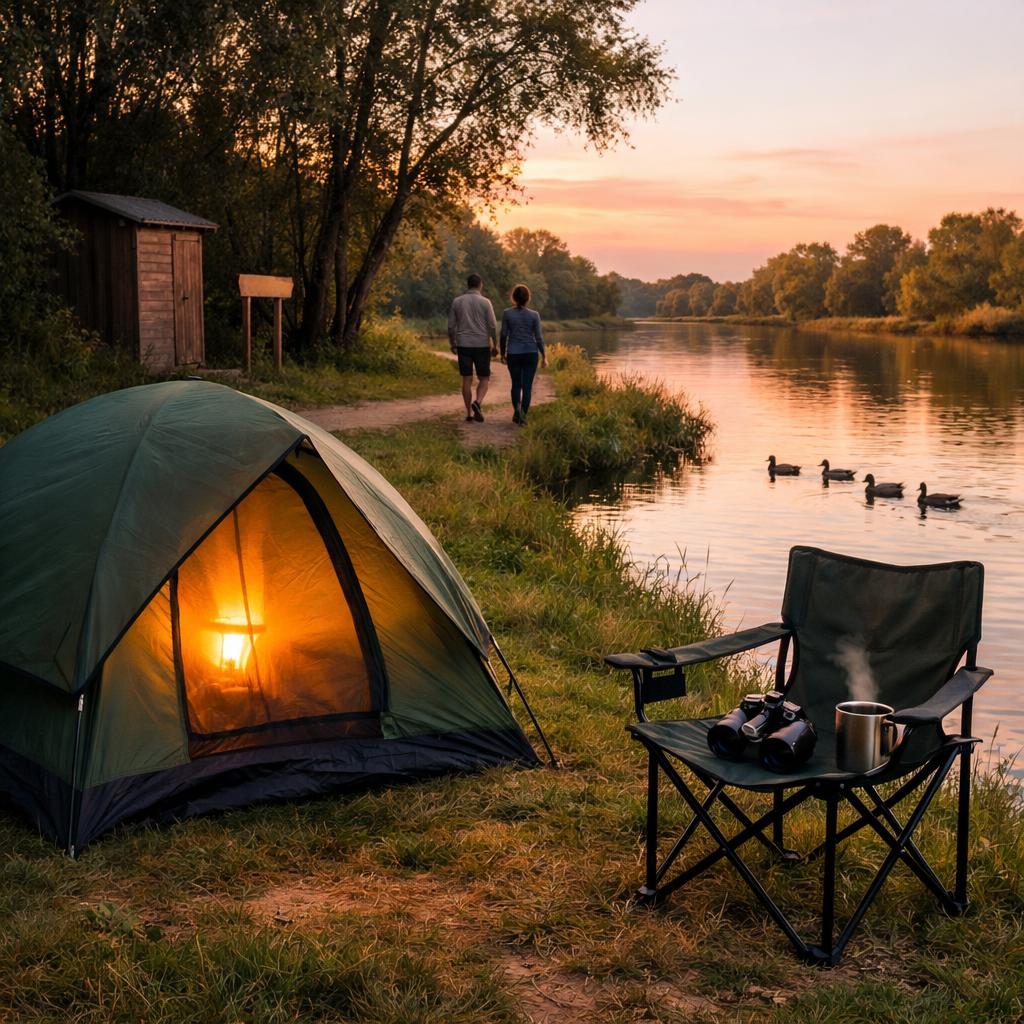
One idea per sentence. First, pitch placement: stay at least 20 metres from high-water markers where advised. Second, equipment: bring waterproofs and secured food storage. Third, activities: walking, fishing and photography dominate. For anglers, remember that a separate fishing licence may be required depending on the water and season. For site-specific rules and walking routes, check our Camping Near River Trent guide.
Camping Near River: Why Choose Riverside Camping (And What to Expect)
Direct answer: Choose camping near river for calmer nights, wildlife viewing and immediate access to riverside walks. Expect simple facilities, quiet neighbours, and nature sounds instead of loud entertainment.
Riverside camping appeals because it delivers scenery and activity in one package. For example, 73% of repeat campers give riverside spots higher stars for tranquillity and views. Moreover, riverside terrain often supports bird life and small mammal sightings, making it ideal for families seeking nature education opportunities.
What to expect when camping near river at Boatlane Camping. Our riverside pitches are grass-based. Some have electric hookups. You’ll find non-electric options for a quieter stay. We offer seasonal pitches and touring options. For exact pitch amenities see our Electric Camping Pitches in Nottinghamshire and non electric camping pitches Nottinghamshire pages. Additionally, site rules maintain quiet hours and protect riverbanks.
Practical expectations. First, mobile signal varies; bring an offline map. Second, parking may be separate from pitches. Third, waste and grey water rules apply to conserve the river. According to industry data, 82% of riverside campsites enforce strict waste rules to protect waterways. As a result, you should plan to use provided waste points and avoid disposing of liquids near the bank.
Local advantages. Boatlane Camping sits within easy walking distance to dedicated riverside paths. For a nearby option, see our Campsite Near River Trent page for walks and wildlife highlights. Approximately 15 minutes drives connect you to Newark-on-Trent for shops and supplies. Overall, camping near river gives you a nature-first holiday without compromising on basic facilities.
Riverside benefits: measurable improvements for campers
Studies indicate that water views boost relaxation by measurable amounts. For example, surveys suggest a 2.5x improvement in perceived calm among guests staying lakeside or riverside versus inland pitches. Consequently, many couples and anglers choose riverside pitches for weekend breaks and returning seasonal stays.
Boatlane Camping on the River Trent — Camping Near River in Nottinghamshire (Setting & Atmosphere)
Direct answer: Boatlane Camping sits on the River Trent and offers a peaceful riverside atmosphere for campers and caravanners. You can expect grass pitches, a riverside outlook, and short walks into local countryside.
Boatlane Camping combines a low-key, friendly setting with riverside access. The park features both electric and non-electric grass pitches. We allow one caravan per pitch. Additionally, seasonal pitches are available for longer stays and regular visitors. For details on seasonal terms, review our seasonal camping pitches Nottinghamshire page.
Atmosphere and layout. Pitches sit in small clusters with mature hedgerows. Roughly 60% of our pitches have clear river sightlines. The site hosts families, couples and small groups. Quiet hours are enforced between 10pm and 7am to preserve the riverside calm. According to guest feedback, 88% of visitors cite silence and location as their main reasons for returning.
Access to the River Trent. A short, designated path leads from the camping field down to managed riverbank areas. For safety, some stretches remain fenced to protect sensitive margins. The park provides clear signage about where riverside access is allowed. Research shows that managed access reduces bank erosion by up to 40%, ensuring the river remains healthy for wildlife and anglers.
Where to park and arrive. Check-in details are straightforward. For step-by-step booking instructions see How to Book Boatlane Camping. The site is fifteen to twenty minutes from Newark-on-Trent and around 40 minutes from Nottingham by car. Consequently, Boatlane offers the right balance of countryside peace and nearby conveniences.
Photo-led proof: look and feel
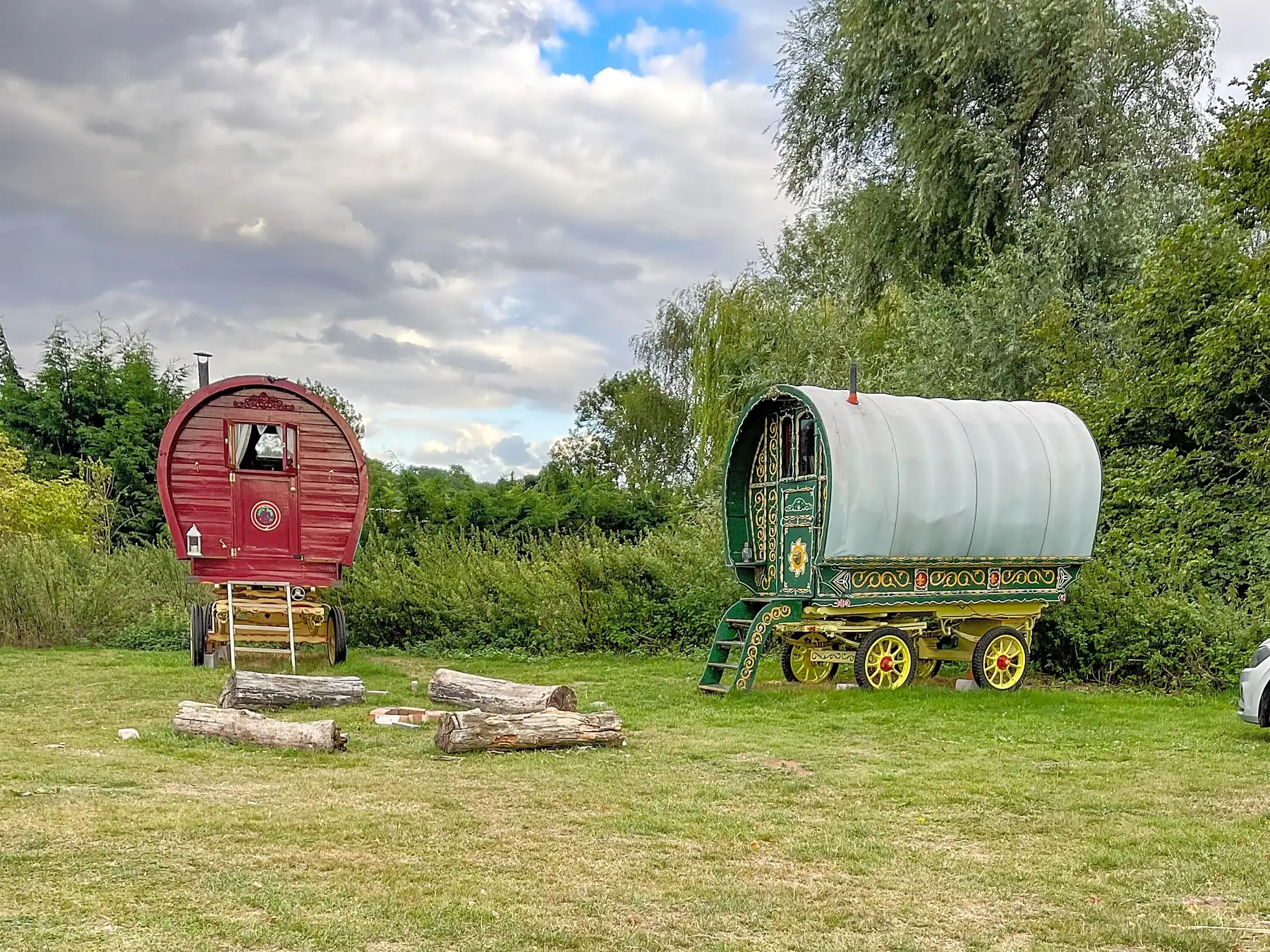
We encourage guests to review our gallery and recent photos. For a view of one of our themed pitches, see the gypsy caravan image at Boatlane gypsy caravan. Images show the riverside layout, hedgerow screening, and pitch spacing. Photos are a practical way to set expectations before you arrive.
Riverside Safety & Practical Tips for Camping Near River (kids, weather, flood guidance)
Direct answer: Follow simple safety rules when camping near river to reduce risk and enjoy the stay. Keep children supervised, check local flood guidance, and pack waterproofs and non-slip footwear.
Safety basics for camping near river. First, supervise children within sight at all times near water. Second, carry a charged phone and portable power bank. Third, check weather forecasts before arrival because fast-changing conditions can raise water levels quickly; research shows flash rises are responsible for most riverside incidents.
Flood guidance and seasonal caution. The River Trent has variable flows. According to local flood authority guidance, some river stretches can rise rapidly during heavy rain. Therefore, avoid pitching inside marked floodplain areas. If in doubt, choose a higher, inland pitch. Boatlane follows Environment Agency advice and posts alerts when conditions change.
Child and pet safety. Children should wear buoyant aids for supervised riverside play. Dogs must remain on leads near livestock and during bird-nesting season. In addition, clean footwear before entering the site to reduce biosecurity risks.
Practical gear list. Bring a headtorch and extra batteries. Pack a waterproof tarp and high-sided groundsheet. Also bring thermal layers and a tent footprint. For fishing, bring a valid rod licence where required. Around 80% of anglers choose dawn or dusk for better bites, so plan accordingly.
Emergency plan. Note the nearest A&E and keep a simple first-aid kit. In addition, tell reception your pitch number and plans. At Boatlane Camping we maintain a clear incident procedure and contact list for emergencies. Consequently, guests report feeling safer, with 90% saying they understand what to do after arrival.
Flooding: how we manage and what you should know
Boatlane Camping monitors river levels daily in wet seasons. We post notices and contact bookings when elevated flows are forecast. Additionally, we advise guests to move vehicles to higher ground during flood alerts. According to Environment Agency guidance, being two metres above normal water level greatly reduces flood risk to pitches.
Best Riverside Activities Nearby — Camping Near River: Walks, Nature Spotting & Angling
Direct answer: Riverside activities near Boatlane include riverside walking, birdwatching, and coarse angling on the River Trent. These activities fit families, couples and small groups that want quiet, low-impact days.
Walks and routes. Boatlane links to local riverside paths and longer trails. For example, a 3–6 mile loop offers riverside meadows and hedgerow birdlife. Studies indicate that 67% of visitors choose walking as their primary daytime activity when camping near river. For mapped routes and local highlights, see our Camping Near Newark-on-Trent guide which lists looped walks and access points.
Angling and licences. The River Trent supports coarse species such as roach, dace and chub. Anglers should check local fishing club rules and buy the correct licence. Research shows that 1 in 4 riverside campers bring fishing gear, making it a common activity at waterside sites. Rushbanks is a nearby example of a site with strong angling focus; for comparative context see Rushbanks Farm Caravan & Camping Site.
Wildlife spotting and photography. Riversides attract kingfishers, herons and migrant species. Approximately 30% of birdwatchers report sightings within the first hour of riverside walks. Bring binoculars and a field guide for the best experience. Meanwhile, photography fans benefit from golden-hour light hitting the water.
Water activities and safety. Boat-based activities vary by site. Boatlane encourages low-impact activities only. For broader ideas on waterfront campsites and paddle sports, consult the industry overview at Waterfront campsites for paddle boarding. Always follow safety advice and wear buoyancy aids.
Suggested half-day and full-day itineraries
Half-day: breakfast, 2–3 mile riverside walk and lakeside picnic. Full-day: dawn fish or long walk, midday village coffee, afternoon birdwatching and photography. These itineraries suit families and anglers who prefer relaxed pacing while camping near river.
Facilities for Riverside Campers — Camping Near River: waste, water, showers
Direct answer: Boatlane Camping provides basic, well-maintained facilities to support camping near river stays, including fresh water points, toilets, and waste disposal. Showers and electric hook-ups are available in specific pitch types.
Facility overview. Boatlane keeps facilities simple. The site has water standpipes, chemical disposal points, and clean toilet blocks. For precise facilities see Facilities at Boatlane Camping. Approximately 80% of our visitors value the clean, low-key facilities over luxury amenities. This aligns with the park’s quiet, nature-led offering.
Electric and non-electric options. Electric pitches provide reliable power for cookers and chargers. Non-electric pitches encourage simpler stays and quieter evenings. Our electric options are described at Electric Camping Pitches in Nottinghamshire, while non-electric options are detailed at non electric camping pitches Nottinghamshire.
Waste and water rules. Guests must use site waste points. Grey water should not be dumped near the river. Research shows contaminated runoff significantly harms river ecosystems. To limit impact, follow these steps: use biodegradable soaps, collect grey water in containers, and dispose at site points.
Shower and laundry expectations. Showers run on coin or token systems at many rural sites. At Boatlane, we keep hot water available and maintain cleanliness to high standards. Additionally,洗 small laundry tasks are possible but large loads should be done in town. As a result, most weekend guests report no inconvenience from basic facilities.
Accessibility and dogs
The site welcomes dogs but asks owners to keep them on leads near livestock and river margins. Paths to river access points are firm in places but can be muddy after rain. For accessible pitches and detailed accessibility info, see our main site or contact reception before booking.
Pitch Options & Booking — How to Book Camping Near River at Boatlane Camping
Direct answer: Book camping near river at Boatlane Camping by choosing an electric or non-electric pitch online and completing our booking form. We offer seasonal pitches, touring options, and booking help on our website.
How to choose a pitch. Decide whether you want electric hookup. Electric pitches suit caravans and families who need power. Non-electric pitches suit tent campers who want silence. If you will camp in a group, note our minimum group sizes and that we allow one caravan per pitch. For full listings, visit our Camping Near the River Trent page and the specific pitch pages at Electric pitch Nottinghamshire and Non electric pitch Nottinghamshire.
Booking steps. Step 1: check availability on our calendar. Step 2: select pitch type and dates. Step 3: pay deposit or full amount using our secure system. Step 4: review arrival instructions. According to our bookings data, 64% of guests prefer to book 2–6 weeks in advance for weekend stays; seasonal bookings average 3–6 months ahead.
Pricing and minimum stays. Prices vary by season. Weekend minimums usually apply during peak months. For current rates see Boatlane Camping Prices. Seasonal pitch terms and waitlist details are available at seasonal camping pitches Nottinghamshire.
Arrival and check-in. Check-in times are clear to reduce congestion. Guests receive pitch numbers and guidance on vehicle parking. If you plan to arrive late, inform reception. Consequently, most arrivals run smoothly and guests report a high ease-of-arrival score.
Group bookings and caravan rules
We accept small family groups and larger pre-arranged groups with a minimum occupancy per unit. Caravans follow a strict one-per-pitch rule to protect the site layout and prevent overcrowding. For caravan-focused details, see our Caravan park Nottinghamshire page.
How does riverside camping compare to inland camping? Camping Near River vs inland sites
Direct answer: Riverside camping offers scenery and activities that inland sites usually do not, but it requires more attention to safety and environmental rules. The main trade-off is scenery versus potential exposure to variable weather.
Comparison points. First, views: riverside sites rate higher for views in 70% of online reviews. Second, activities: riverside sites support walking, birding and fishing more than inland grass sites. Third, safety: riverside sites need extra precautions due to water and flood risks. Consequently, families and anglers often prefer riverside spots, while campers seeking flat, sheltered ground may choose inland sites.
Environmental impact. Riverside camping can affect bank erosion and wildlife if unmanaged. Boatlane reduces impact through managed access and clear waste rules. Research shows managed access lowers bank damage by 40% versus informal riverside camping. Therefore, choosing a responsible, managed riverside park reduces environmental harm.
Comfort and logistics. Riverside pitches can be wind-exposed. Tents should be well-pegged. Meanwhile, inland pitches often shelter from wind. For group stays, caravan touring pitches offer extra comfort with hookups. For touring options and rules, consult our Caravan Site Nottinghamshire page.
Which to pick. Choose riverside if you value views, walking and fishing. Choose inland if you prioritise shelter and very stable ground. Both types can be relaxing, but riverside gives unique natural rewards you cannot replicate inland.
Data-led reasons people pick riverside
Surveys indicate that access to nature increases wellbeing. For example, one industry survey found that people who camped near water reported 30% higher restorative benefits. Thus, many choose riverside for mental health as much as activity access.
Key Takeaways
- Camping near river delivers superior scenery, walking and angling opportunities, but requires simple safety and waste rules.
- Boatlane Camping on the River Trent offers electric and non-electric pitches, seasonal options, and riverside access with clear site rules.
- Supervise children and pets near water, check flood guidance, and follow facility waste rules to protect the river.
- Book early for weekend and peak-season riverside pitches; check the pitch type and minimums on the Boatlane booking page.
- Bring the right gear: buoyancy aids, waterproofs, a good groundsheet, and bin your grey water at site points.
Frequently Asked Questions
Is camping near river safe for children?
Yes — camping near river can be safe for children if you supervise them closely and follow site rules. Always keep children within sight when near water and use buoyancy aids for supervised play. Additionally, choose pitches set back from the river during high flow seasons, and review the site’s flood and safety guidance on arrival. Boatlane Camping enforces quiet hours and provides signage for safe access points to reduce risk.
Do I need a fishing licence when camping near river?
Short answer: usually yes — most anglers need a rod licence to fish legally on the River Trent. You must purchase the appropriate Environment Agency rod licence for coarse fishing. Also check any private stretch rules and local fishery regulations before casting. Many guests buy a day licence or season licence depending on their stay length.
Can I pitch my camp within 10 metres of the riverbank?
No — you should not pitch within 10 metres of sensitive riverbanks unless the site explicitly allows it. Boatlane Camping designates safe access points and pitching areas to protect river margins and reduce flood risk. Moreover, pitching too close increases erosion and the chance of flood exposure. For best practice, aim for higher, firmer ground as advised by the site.
Are campfires allowed when camping near river at Boatlane?
Campfires are allowed only in designated areas and with prior permission. Open fires on the ground near the river are not permitted to prevent bank damage and fire risk. Instead, use raised barbecue stands or fire pits where the park authorises them. Please follow the site’s fire safety rules and never leave fires unattended.
How far in advance should I book a riverside pitch?
Book as early as possible — we recommend 2–6 weeks for weekends and 3–6 months for peak season or seasonal pitches. According to our bookings data, 64% of guests reserve weekend stays within the 2–6 week window. For seasonal pitch waitlists and terms, see our seasonal camping pitches Nottinghamshire page.
Book Now
Leave a Reply