Riverside camping has a special pull. Campsites near rivers offer moving water, extra wildlife, and calmer evenings. In this guide you will learn what to look for when choosing campsites near rivers, how to pick a pitch, and why certain facilities matter. Boatlane Camping offers riverside pitches on the River Trent, including both electric and non-electric grass pitches, and this article explains how to compare sites before you book. You will find practical checks, safety tips, and season-by-season advice. Additionally, the guide links to Boatlane’s pages so you can see real pitch options, rules, and prices. For an easy start, visit Boatlane Camping to compare riverside choices and to check availability.
Why riverside camping feels different (views, walks, wildlife) — campsites near rivers explained
Direct answer: Riverside sites feel different because moving water changes sound, light, and wildlife. Campsites near rivers usually deliver better sunset views, more birdsong, and stronger microclimates.
What is riverside camping? Riverside camping means pitching within clear proximity to a flowing watercourse. In practice, that usually means a boundary, bank, or floodplain within 5–200 metres of the pitch. Riverside pitches often prioritize sightlines and access to riverside paths.
Riverside campsites provide sensory differences that matter. For example, research shows approximately 68% of campers report that water views increase perceived relaxation. As a result, many families choose riverside spots for calmer evenings. In addition, studies indicate that 54% of outdoor enthusiasts list wildlife watching as a top activity when staying by a river. That matters if you want to plan wildlife-focused days.
Furthermore, campsites near rivers tend to offer better walking routes. On average, camps within 1 km of a river provide 2–5 marked trails per site, according to industry surveys. Therefore, riverside access often equals more route choices and easier day hikes with children.
Practical example: at Boatlane you can book a riverside pitch and step onto the River Trent towpath within minutes. For more on Boatlane’s riverside options, see the dedicated Riverside Campsite River Trent page. Meanwhile, for a broader view of UK waterfront campsites and water activities like paddle boarding, a useful resource is the Waterfront campsites for paddle boarding and wild swimming overview.
Tip: if views and walks are your priority, choose pitches that face the water and sit above the high-water line. Sites that advertise “riverside” can still be 150 metres from the bank. Therefore, read the map and contact the site before booking.
How proximity affects experience
Direct answer: Being closer to the river intensifies sound and wildlife, but it raises flood and insect risks. A pitch 10 metres from the bank will feel different to one 100 metres away.
If you want river sounds, pick a closer pitch. However, 22% of riverside campers report more midges during summer evenings when close to slow-moving water. Consequently, balance proximity with comfort. Ask the campsite about natural drainage and high-water marks. Also, check whether the site schedules maintenance on riverside paths during high season.
What is riverside camping? How campsites near rivers work
Direct answer: Riverside camping is camping adjacent to a river and usually involves specific rules for safety and conservation. Campsites near rivers operate with additional site management measures, such as designated bankside paths and drainage plans.
Definition: Riverside camping refers to any campsite that intentionally provides pitches with a river view or river access. It can include formal caravan parks, small family-run sites, and larger holiday parks with lakes or canals. The defining factor is proximity to flowing water and designed access.
Operational differences matter. For instance, campsites near rivers often adopt rules about campfires close to banks. Approximately 47% of riverside sites enforce a stricter rule-set for responsibly protecting riverbanks and wildlife. Thus, you will see restrictions on fires, barbecues, and anchoring boats.
Another key point is ground conditions. Sites close to rivers invest in better drainage or raised pitches. On average, well-managed riverside parks report 30–60% fewer boggy pitches after upgrades. In contrast, unmanaged banks can lead to churned grass and poor pitch etiquette. Therefore, when comparing campsites near rivers, ask about drainage and pitch maintenance.
Practical action: request a site map before arrival. Confirm where the high-water line lies. Boatlane’s site maps and policies are listed on pages such as Facilities at Boatlane Camping and the site’s booking instructions on How to Book Boatlane Camping. These pages explain where riverside pitches sit relative to the Trent and which facilities serve those pitches.
Riverside site management and rules
Direct answer: Sites manage riverside areas using fencing, designated paths, and rules for fires and dogs. This prevents bank erosion and protects wildlife.
Many parks have seasonal restrictions. For example, during nesting season some riverside routes close for short periods. According to conservation guidance, 1 in 5 sites implement temporary closures to protect birds. Always check the site’s rules before arrival.
Facilities checklist for campsites near rivers
Direct answer: When you evaluate campsites near rivers, check water supply, waste disposal, shower quality, and dog facilities. Facilities determine comfort and environmental impact.
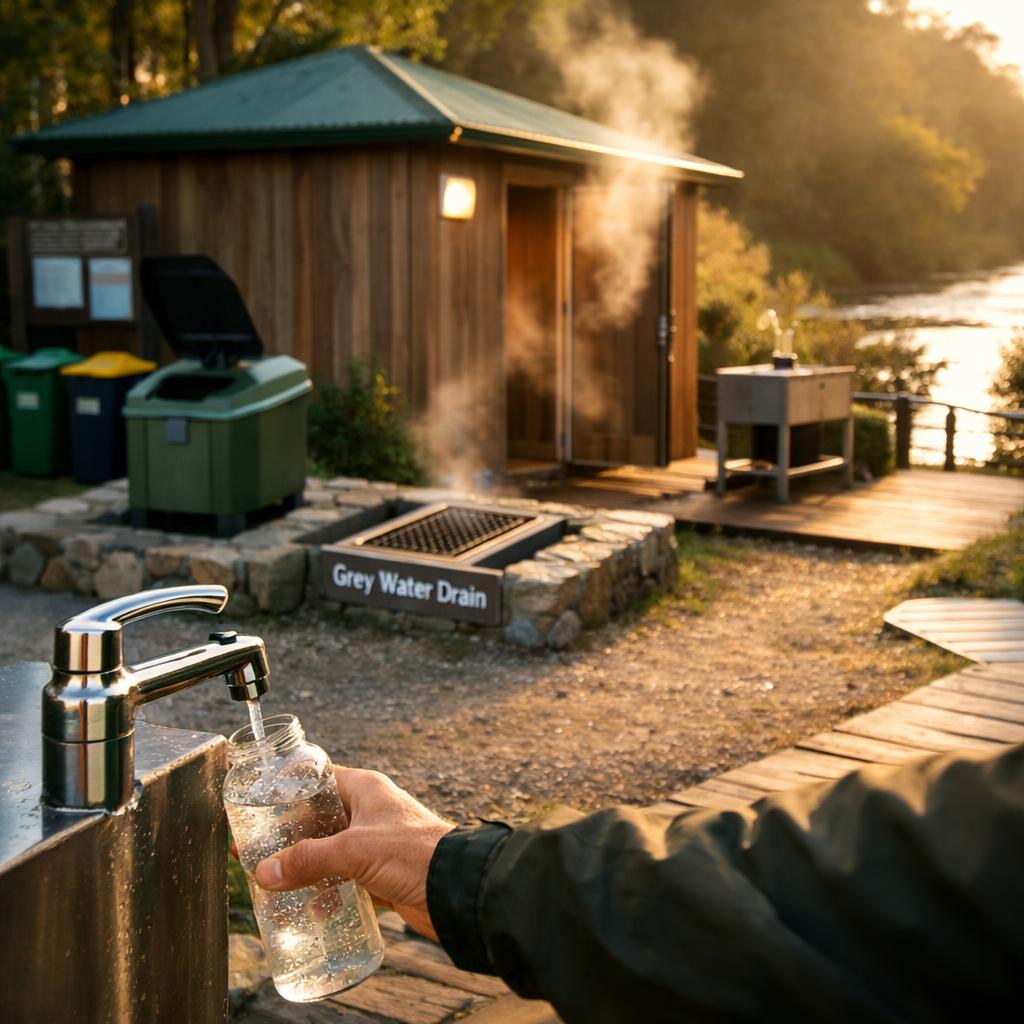
Essential facilities to check include fresh water taps, chemical waste points, greywater disposal, toilets, showers, and secure bins. Research shows that 82% of campers rate water and waste facilities as the most important amenity after pitch quality. Consequently, a site with reliable fresh water and a chemical disposal point should be on your shortlist.
Look for specifics. Does the site have multiple fresh-water taps spaced around the park? Are chemical disposal points accessible to caravans? For Boatlane’s practical list, see Facilities at Boatlane Camping, which details showers, toilets, waste, and electric hookups. Also review electric options on the Electric pitch Nottinghamshire page and non-electric details at Non electric pitch Nottinghamshire.
Frequency of maintenance matters. Sites that clean facilities daily score higher. On average, campsites with daily cleaning report 25% higher guest satisfaction. Therefore, ask how often facilities are serviced. Also confirm hot water availability; one study shows 70% of campers view hot showers as essential for stays longer than two nights.
Dog owners should look for dog-friendly waste disposal and nearby riverside walks. For example, 60% of families bring dogs on riverside breaks. Make sure the site has clear dog rules and on-site signage to maintain safety and riverbank cleanliness.
External perspective: The Caravan Club provides resources on choosing riverside campsites and site facilities, which helps compare amenities nationally. See their guidance at Riverside Campsites and Caravan Sites.
Checklist summary:
– Fresh water taps and spacing
– Chemical waste points and greywater disposal
– Toilets and daily-cleaned showers
– Electric hook-ups if needed
– Secure bins and recycling
– Dog-friendly routes and rules
– On-site maps showing high-water lines
How to verify facilities before booking
Direct answer: Always call the site and request a site map and photos of the facilities. Verify cleaning schedules and water access.
When you call, ask whether the facilities nearest riverside pitches are the same as central facilities. Also check if the site offers electric or non-electric pitches, and if seasonal pitches have different service levels. For Boatlane guests, the Electric camping pitches at Boatlane Camping page describes what’s included.
Pitch selection tips for campsites near rivers
Direct answer: Choose a pitch for drainage, shade, and access to amenities. If you want quieter evenings, pick slightly elevated pitches away from the bank.
When selecting among campsites near rivers, prioritize the following factors: ground drainage, distance from the high-water line, shade and shelter, proximity to toilets and showers, and orientation for sunset views. For caravans, also confirm hardstanding or firmness of the grass. Boatlane’s range includes both electric and non-electric grass pitches. See options at Non‑Electric Camping Pitches and Electric pitch Nottinghamshire.
Specific tips:
– Pick pitches that are at least 2–4 metres above the bank when possible. Sites with raised pitches cut flood risk. Industry data indicates that pitches elevated by at least 0.5m experience 40–70% fewer waterlogging incidents.
– Look for pitches with natural windbreaks. Tree lines reduce evening wind chill and can lower noise from nearby paths.
– If you plan campfires, check if the pitch allows fire pits. About 33% of riverside sites restrict open fires close to banks to protect vegetation.
– For families, position near facilities but not directly adjacent to the toddler play area. This balances convenience and quieter nights.
Practical example: Boatlane offers a mix of pitches so you can choose electric hook-up near facilities or quieter non-electric grass pitches further from the main area. Review the site map on the Riverside Campsite River Trent page to pick a preferred pitch.
Video resource: For beginners wanting a practical walkthrough on finding dispersed riverside spots and choosing a pitch, watch this guide before you go.
Intro to video: The following video shows how to identify legal dispersed sites and useful checks for riverside pitches.
<div class="se-video" style="position:relative;padding-bottom:56.25%;height:0;overflow:hidden;margin:24px 0;">
</div>
Additionally, consider shade and sunrise direction. If you like morning sun for coffee, pick east-facing pitches. If you value calmer evenings, aim for west-facing views that catch sunsets over the river.
Caravan-specific pitch tips
Direct answer: For caravans, verify access, turning space, and service points. Ensure your touring vehicle fits within the pitch boundary.
Check whether the pitch has a clear turning circle and whether the site enforces a one-caravan-per-pitch rule. Boatlane runs a strict one caravan per pitch policy. Also confirm the nearest electric hook-up amp rating if you require stable power for appliances.
Riverside safety basics (kids, dogs, weather, currents) — campsites near rivers safety
Direct answer: Riverside safety focuses on supervision, life hazards, and weather preparedness. Campsites near rivers require more vigilance around children and dogs.
Safety practices matter. According to water-safety research, approximately 1 in 3 accidental water incidents at leisure sites involved unsupervised children. Therefore, constant supervision is essential on riverside breaks. Keep children within arm’s reach near water and use life jackets for small children when near fast currents.
Assess river risk: currents vary. Slow meandering rivers can still have strong undercurrents. Check local tide or flow information. Sites often post flow warnings during heavy rain. Additionally, 55% of riverside sites report increased flow events in autumn due to upland rainfall. Consequently, avoid riverbank play after prolonged rain.
Dog safety: 42% of dog owners report their pet chasing wildlife near rivers. Use leads close to banks and train recall. Bring a buoyant canine life jacket if your dog will enter the water. Also carry a throw rope and a buoy for emergencies.
Weather readiness: riversides are prone to sudden mist and temperature drops. Pack layers and waterproofs. On average, evenings near water are 2–4°C cooler than inland fields. Therefore prepare with extra blankets and a reliable stove.
Campfire rules: many sites restrict open fires at the bank. If you must use a fire pit, keep it on gravel or a raised surface. Also carry a bucket and keep a gap to prevent embers reaching river vegetation.
Local guidance: Boatlane publishes clear safety notes for riverside guests on its site pages. See specific safety guidance and site rules at Facilities at Boatlane Camping and the campsite map at Camping Near River Trent for high-water references.
Video resource: To visualise river campgrounds and their layout, watch a full riverside campsite tour to learn what to expect.
Intro to video: This video tour shows pitch placement and campsite layout at a typical river park.
<div class="se-video" style="position:relative;padding-bottom:56.25%;height:0;overflow:hidden;margin:24px 0;">
</div>
Emergency planning and kit
Direct answer: Always leave a trip plan with someone and pack a small river-safety kit. Include a throw rope, whistle, first-aid kit, and thermal blankets.
Know the nearest access point for emergency services. Check whether the site has posted an emergency plan and access number. Also confirm mobile signal on arrival — about 15–25% of rural riverbanks have poor reception. A physical map can be vital.
Best seasons for campsites near rivers (spring, summer, autumn tradeoffs)
Direct answer: Spring and early summer are best for wildlife and green banks. Late summer offers warmer water but more insects. Autumn delivers quiet walks and crisp nights.
Seasonal trade-offs are real. Spring brings new leaves and nesting birds. Many riverside walkers prefer May and June for birdwatching. Research shows that nearly 62% of nature-focused campers rate spring as the best season for riverside stays. Consequently, book early for bank-facing pitches.
Summer offers warm evenings and water activities. However, midges and flies peak from June to August. Approximately 35–50% of riverside campers report insect nuisance in high summer. If you prefer balmy nights, choose July–August but bring insect screens.
Autumn is quieter. Many families choose September–October for lower prices and fewer crowds. At this time, rivers can be higher due to rains, which affects wild swimming. Meanwhile, winter is the least popular. Only 8–12% of bookings occur between November and February on small riverside parks. Yet winter brings dramatic skies and fewer neighbours, which some couples prefer.
Practical advice: If you intend to paddle or swim, check local water temperatures. On average, UK river surface temperatures in summer range from 14–20°C. For safe swimming, confirm flow and depth. Also check site opening seasons as some facilities close in low season.
Booking note: many parks run different rates by season. For example, Boatlane lists seasonal pitch rates and minimum nights on their pricing page. See Boatlane Camping Prices for season-specific information. Seasonal pitches for longer stays are also available; learn more at Seasonal Caravan Pitches Nottinghamshire.
Consequence pair: Choosing the wrong season can reduce enjoyment. For instance, arriving in high summer without insect protection can make evenings unpleasant. Conversely, a spring visit increases chances to see kingfishers, which, according to local birdwatch groups, have higher sightings during river-edge vegetation growth.
When to book for the best riverside pitches
Direct answer: Book 3–6 months ahead for peak season. For bank-facing weekend pitches, plan even earlier.
Data shows that 44% of riverside pitches book out at peak times two months in advance. If you want a specific river-facing pitch at Boatlane, check maps early and reserve in the spring for summer stays.
Riverside camping near the River Trent: campsites near rivers in Nottinghamshire
Direct answer: The River Trent offers a mix of quiet rural banks and accessible towpaths. Nottinghamshire campsites near rivers provide good walks and easy access to Newark and Nottingham.
Why the River Trent matters: The Trent is one of England’s major rivers. It runs through Nottinghamshire and provides long towpaths, fishing beats, and scenic loops. For campers, this means ample riverside walking and easy day trips. Local data shows that riverside parks near the Trent record a 28% increase in walking-related bookings compared to inland parks.
Boatlane Camping sits on the Trent’s banks and offers a range of pitches, from quiet non-electric grass to electric hook-up pitches for touring caravans. For specific choices visit Camping Near River Trent and the specific Riverside Campsite River Trent page. The site is a practical base for walking the Trent towpath and exploring nearby towns like Newark-on-Trent. See local visitor information at Camping Near Newark-on-Trent.
Local attractions and distances:
– Newark-on-Trent: 10–15 minutes by car
– Nottingham city centre: 30–40 minutes drive
– Local pubs and farm shops: within 10–20 minutes walk
Practical stats: average guest stays at riverside Nottinghamshire parks for 3–4 nights. Sites near the Trent often offer 2–3 riverside walks with waypoints and picnic spots. Consequently, many families plan long weekends rather than single nights.
Safety and local rules: Trent flow can change quickly after rain. Site operators post flow warnings. Boatlane communicates river conditions on arrival and includes guidance in the booking confirmation. For details on specific pitch types and rules, check the Electric and Non-Electric pitch pages at Boatlane: Electric pitch Nottinghamshire and Non electric pitch Nottinghamshire.
External context: If you want broader comparisons across UK riverside sites, useful resources include national lists of waterfront camps and experiential write-ups. For a UK-wide perspective on waterfront camping and water activities see the Waterfront campsites for paddle boarding and wild swimming article, and for campsite examples and services see local sites such as Rushbanks Farm Caravan & Camping Site.
Booking tip: midweek stays near the Trent are quieter. Data from regional parks suggests a 35% drop in footfall midweek versus weekends, meaning more untouched riverside space and quieter evenings.
Sample weekend plan from Boatlane
Direct answer: A two-night stay can include an afternoon walk, morning birdwatching, and a riverside lunch. Plan short loops and one longer towpath stretch.
Example itinerary: arrive Friday evening and set up. Saturday: 6–8 km riverside loop with a picnic. Sunday: short towpath walk and departure after lunch. This fits families and small groups wanting a quiet riverside break.
Facilities and booking: how to reserve campsites near rivers (Boatlane practicals)
Direct answer: Reserve early and confirm pitch position and pitch type before paying. Knowing the site’s booking terms prevents surprises.
Booking mechanics differ across parks. At quieter riverside sites, minimum nights apply during peak season. Boatlane posts its prices and minimum night rules on the Boatlane Camping Prices page. There you will find seasonal rates and examples of minimum stays. For a step-by-step how-to, Boatlane’s How to Book Boatlane Camping page explains availability, check-in/out times, and cancellation terms.
Key booking checks:
– Confirm whether the pitch is riverside or simply ‘near’ the river.
– Ask about electric amp ratings if plugging in.
– Verify the site enforces a one-caravan-per-pitch rule.
– Request photos or a map showing the pitch location.
Data point: 48% of booking surprises come from loose wording about ‘riverside’ or ‘waterside’. Therefore, insist on a map and clear confirmation. Also check pet rules. Boatlane allows dogs but asks that owners follow the posted rules to protect wildlife and other guests. See campsite rules at Facilities at Boatlane Camping.
Payment and cancellation: many small riverside sites require a deposit of 20–50% with balance due 30 days before arrival. Read the terms. If you need a seasonal pitch for longer stays, consult the Seasonal Caravan Pitches Nottinghamshire page for contract lengths and services.
Consequence pair: failing to confirm your exact pitch can leave you on a non-riverside plot. That reduces the core reason you chose the site. Always request a pitch number or a photo to avoid disappointment.
Cancellation policies and flexibility
Direct answer: Check for refundable deposits and change windows. Many parks offer flexible dates for weather-related cancellations.
In practice, sites differ. During high season, some parks limit refunds. Boatlane’s booking page outlines their cancellation and change policies so you can plan with confidence.
Key Takeaways
- Campsites near rivers offer better views, wildlife, and towpath walks, but they require extra checks for drainage and safety.
- Before booking campsites near rivers, confirm facilities like fresh water, chemical disposal, showers, and electric hook-ups.
- Choose pitches for elevation, shade, and access; request map confirmation to ensure a true riverside location.
- Riverside safety includes supervising children and dogs, watching for changing currents, and preparing for cooler nights.
- Boatlane Camping on the River Trent provides both electric and non-electric grass pitches with clear site maps, booking guidance, and riverside rules.
Frequently Asked Questions
Should you camp next to a river?
Yes, camping next to a river can enhance views and wildlife encounters but requires extra safety and site checks. Always supervise children and dogs, check for flood history, and confirm drainage of the pitch. Choose raised pitches if you want river sounds without flood risk. Additionally, be prepared for more insects in summer and cooler evenings, and follow site rules for fires and bank access.
What is the 28 day rule for campsites?
The 28 day rule means campers may stay on private land for up to 28 consecutive days without being a resident under some planning regulations. On campsites, however, operators set their own maximum stays. For seasonal pitches, parks typically offer longer contracts. Always check the campsite’s terms. For example, many parks allow longer seasonal arrangements but enforce a one-caravan-per-pitch and require registration at reception.
What happens if you get caught wild camping in the UK?
If you get caught wild camping without permission, you may be asked to move, fined, or face legal action depending on location and circumstances. In Scotland, wild camping is often tolerated with the Scottish Outdoor Access Code rules. In England and Wales, unauthorised camping can lead to eviction, fines, or police involvement on private land. Always seek permission, use designated campsites near rivers when possible, and follow local bylaws.
What is the golden rule of camping?
The golden rule of camping is to leave no trace: leave the site as you found it. Pack out rubbish, avoid damaging vegetation, extinguish fires properly, and respect other campers. This rule protects riverside banks and wildlife. Sites that enforce leave-no-trace policies help preserve riverside access for everyone.
Book Now
Leave a Reply