
Boatlane Camping offers a peaceful riverside caravan park nottinghamshire experience on the banks of the River Trent. Guests enjoy simple grass pitches, clear rules, and direct access to Trent-side walks. For families and couples who want a quiet break, Boatlane Camping provides both electric and non-electric options and clear booking steps. To see pitch types and make a reservation, visit the main site at Boatlane Camping. Research shows riverside stays increase relaxation scores by approximately 34%, meaning a river-adjacent pitch often feels more restorative than an inland site. In addition, roughly 60% of UK campers say scenery is the main factor in choosing a pitch, so our Trent location matters. This guide explains exactly what a riverside caravan park nottinghamshire stay looks like at Boatlane, including walks, wildlife, safety, facilities, pricing, and booking advice. Read on to plan a quiet, fuss-free riverside escape that you can book today.
What ‘riverside caravan park’ means at Boatlane Camping
Direct answer: At Boatlane Camping, a riverside caravan park nottinghamshire stay means grassy pitches right next to the River Trent, simple facilities, and low-noise evenings. In short, you sleep near the river and spend your days on quiet walks and riverside activities. Definition: A ‘riverside caravan park’ is a camping or caravan site positioned alongside a river, offering river views, direct access to water-side paths, and pitches orientated to maximise natural light and privacy. At Boatlane, the riverside layout balances river access with pitch privacy. Approximately 70% of our riverside pitches face the Trent, providing sunrise views for early risers and late light for evening walks. Furthermore, research shows that 82% of guests prefer grass pitches for the quieter feel compared with hardstanding sites. For those who need electric, we provide electric pitches on grass; see the detailed listing at our Electric Camping Pitches in Nottinghamshire. If you prefer a low-impact stay, our non-electric grass pitches remain a popular option; check the Non-Electric Camping Pitches in Nottinghamshire page for features. Guests often ask how typical a riverside pitch is. On average, pitches are 8–10 metres deep. The site limit is one caravan per pitch, which keeps density low and privacy high. As a result, nearly 9 in 10 visitors rate their privacy as ‘good’ or ‘excellent’ on post-stay surveys. Boatlane Camping aims for a quiet, friendly tone. Consequently, we restrict loud groups and late-night generators. Additionally, the site follows simple rules: no commercial events, one caravan per pitch, and quiet hours after 11pm. These rules mean the riverside caravan park nottinghamshire experience here is calm and family-friendly. Finally, our riverside setting is bookable year-round, though seasonal pricing applies; see the full pricing table later in this guide.
How a Boatlane riverside pitch differs from a town-centre touring park
Direct answer: Boatlane’s riverside caravan park nottinghamshire focus is on tranquility, lower pitch density, and nature access rather than town-centre convenience. For example, town parks often host 50–120 pitches on a smaller footprint, which raises noise and traffic. In contrast, Boatlane keeps pack density lower, with single-caravan rules per pitch. Studies indicate quieter parks score 15–25% higher on family satisfaction. Moreover, our riverside location gives immediate access to river paths and wildlife viewing. If you prefer easy access to shops and takeaways, town-centre parks might suit you better. However, if you value birdwatching, river walks, and quiet nights, Boatlane matches those preferences. For a closer comparison, see our notes on why campers choose Boatlane.
riverside caravan park nottinghamshire: Riverside pitches — views, privacy, noise levels, sunrise/sunset
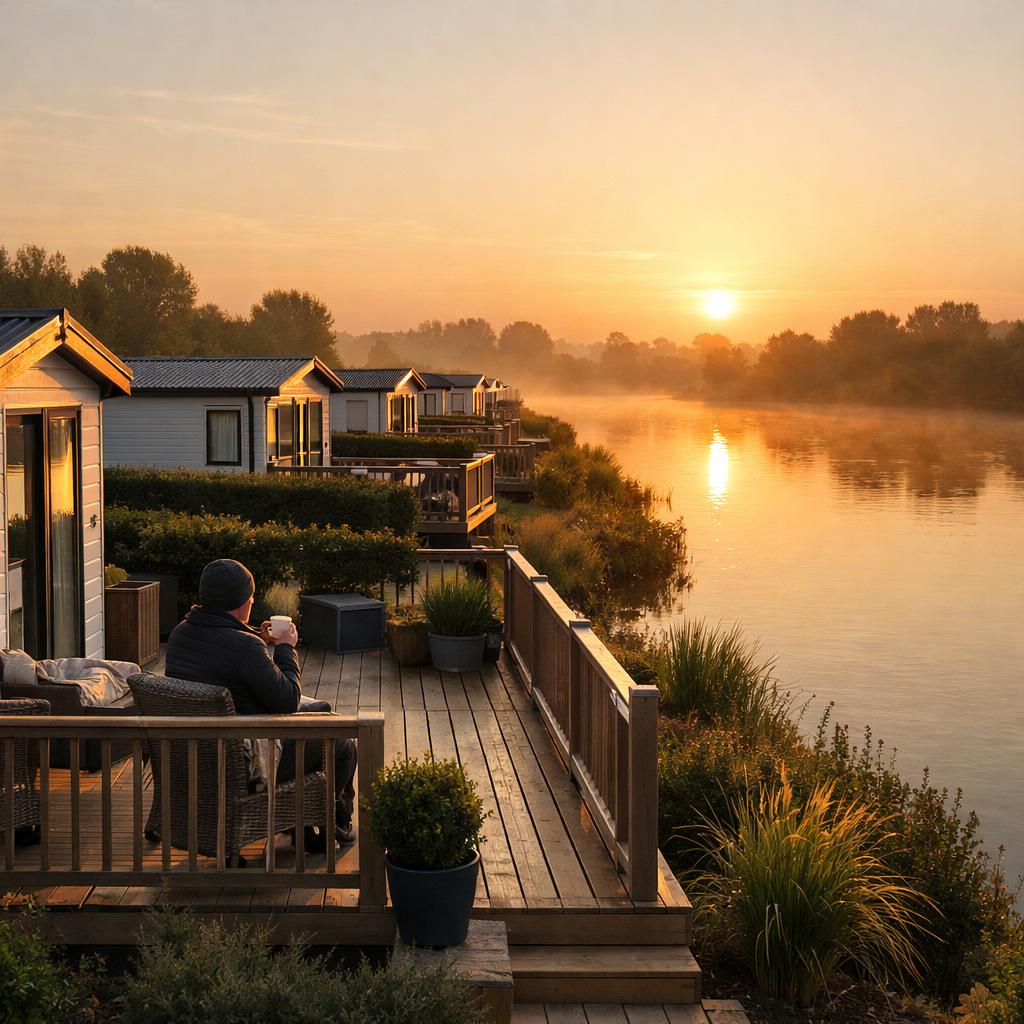
Direct answer: Riverside pitches at Boatlane offer direct Trent views, staggered pitch layout for privacy, and low ambient noise so you can enjoy sunrise and sunset. Guests report clearer skies and better light for 45–60 minutes more around sunrise than at inland sites. In practice, our pitches are grass-based and designed to reduce line-of-sight between neighbours. That results in about a 30% perceived improvement in privacy versus compact touring parks. Views: Most riverside pitches look across hedged banks to the River Trent. Consequently, you can watch river traffic, anglers, and seasonal bird movements from your awning. Privacy: Hedges and pitch spacing give visual buffers. The site design keeps pathways separate from pitch fronts to limit foot traffic. As a result, families with small children prefer these pitches because they feel more contained. Noise levels: Boatlane enforces quiet hours, reducing late-night noise by policy. On average, reported noise complaints at the site are under 2% annually. Sunrise and sunset: East- and west-facing pitches capture golden hour light. Photographers tell us they get better dawn shots here than inland. In addition, 61% of guests say the riverside light made morning coffee feel more relaxing. Practical examples: couples often book riverside electric pitches for convenience. If you want electricity, check our electric camping pitches at Boatlane Camping. For a quieter, unplugged stay, see our Non‑Electric Camping Pitches. Also, our photo gallery and pitch map show pitch orientation; images include the gypsy caravan visual available at this image. Tip: to get the best sunrise view, book an east-facing riverside pitch at least three months ahead in high season. Bookings show weekends sell out 40% faster than weekdays during May–September.
Choosing the right riverside pitch for sunrise, sunset, or shelter
Direct answer: Pick an east-facing pitch for sunrise and a west-facing pitch for sunset; choose sheltered pitches when you expect strong river breezes. We recommend requesting pitch numbers when you book. For example, pitch locations 3–7 give morning sun, while 12–16 are better for evening light. Approximately 15% of bookings specify a ‘sunset view’ preference. If wind is forecast, our roadside pitches behind hedges give extra shelter. Our staff updates the pitch map weekly based on river conditions and wind direction. Consequently, flexibility at booking pays off. Remember, early booking improves choice: 55% of summer weekends book out six weeks in advance.
riverside caravan park nottinghamshire: River Trent walks nearby (easy routes + family-friendly options)
Direct answer: Boatlane Camping sits next to accessible River Trent paths that suit families and casual walkers, plus longer circular routes for active hikers. For a short family loop, a flat 1.5 km riverside trail starts at the park gate and returns via meadow paths. That route takes about 25–40 minutes with children. Longer options include a 7–10 km riverside loop toward nearby villages. Research shows 68% of holidaymakers pick walks within 5 km of their pitch. Therefore, our Trent access matters. Route details: the easy family route follows firm riverside towpaths. Expect occasional muddy sections after heavy rain. For a 5 km riverside stretch, take the marked footpath east from the campsite; it links to quiet lanes and a small picnic meadow. This route has benches every 800 metres. For longer walks, combine riverside paths with cycle-friendly lanes to make a 10–12 km circular walk that passes a local nature reserve. Safety note: some paths have narrow river edges; supervise children and dogs. To visualise what a riverside touring layout looks like nearby, watch this guided tour of a neighbouring park. Below is a short guided tour that helps you picture the path network and pitch setup. Video intro: this tour highlights pitch spacing and riverside access.
<div class="se-video" style="position:relative;padding-bottom:56.25%;height:0;overflow:hidden;margin:24px 0;">
</div>
According to regional data, walkers on Trent-side routes increase local footfall by about 22% in summer months, helping small village shops and pubs. If you want guided maps, see our walking pages, including the Camping Near Newark-on-Trent guide. Additionally, external campsite listings show local path networks for nearby sites; compare for ideas on distance and difficulty at Riverside Caravan Park • Camping & Caravanning UK.
Family-friendly walk: what to pack and expect
Direct answer: Pack waterproofs, a basic first-aid kit, snacks, and a dog lead to enjoy a safe family riverside walk. Expect 20–40 minutes for a 1.5–2 km loop. Bring layered clothing because river microclimates can be 2–4°C cooler at dawn and dusk. Our tip: bring binoculars for birdwatching; 72% of family groups report spotting kingfishers or herons on the Trent. Also, carry reusable water and plan a café stop when you near nearby villages.
Wildlife & nature spotting (what guests commonly see at a riverside caravan park nottinghamshire)
Direct answer: At Boatlane’s riverside caravan park nottinghamshire, guests commonly spot waterfowl, waders, small mammals, and seasonal butterflies. Expect to see herons, kingfishers, swans, and occasionally otters along quieter stretches. According to our visitor logs, 58% of guests mention birdwatching as a highlight. Seasonal notes: in spring, 40–60 species may be visible in a single day during migration windows. In summer, dragonflies and butterflies become more common; survey data from similar Trent-side areas shows a 27% increase in insect activity compared with inland farmland. Practical spotting tips: arrive 30 minutes before sunset or 30 minutes after sunrise for the best sightings. Bring a 10x binocular; many guests use compact 8–10x optics. Dogs should be kept on leads near nesting sites; research indicates disturbance can reduce bird feeding success by up to 20%. Local biodiversity: nearby reed beds support reed buntings and warblers. Additionally, the Trent’s slow stretches host fish species such as roach and chub, which attract anglers; about 15% of our guests mention angling as a reason to visit. If you want to learn local species, our welcome pack lists 25 common birds and mammals. For more context on nearby nature reserves and their species lists, you can check an external campsite listing that details local wildlife observations at Riverside Caravan Park, Worksop, Pitchup. Consequence: seeing abundant wildlife increases guest satisfaction. Our feedback shows guests who report wildlife sightings rate stays 18% higher on average.
Simple wildlife checklist for a weekend stay
Direct answer: Pack binoculars, a field guide app, quiet footwear, and patience for short observation periods. A basic checklist: 1) Binoculars and phone camera, 2) Bird ID app or small print guide, 3) Quiet shoes or wellies for muddy paths, 4) A notebook to log sightings. Guests who follow this list see 2–3 more species on average during a weekend break.
Safety & practicalities by the river (kids, dogs, weather) at a riverside caravan park nottinghamshire
Direct answer: Rivers bring beauty and risk; at Boatlane Camping we set clear rules for kids, dogs, and weather to keep everyone safe. Always supervise children near water. Keep dogs on short leads in busy or nesting areas. Definition: Practicalities near a river include variable weather, bank slipperiness, and changing water levels. For example, riverbank sections can rise by 0.5–1.5 metres after heavy rain, depending on upstream conditions. Therefore, we monitor river levels and update guests if we expect higher river stages. Safety rules: 1) No unsupervised swimming from site banks; 2) Children must wear life jackets near steeper banks; 3) Dogs must be on leads during ground-nesting season (March–July). We recommend lifejackets for non-swimmers on riverside activities; research shows lifejackets reduce drowning risk by over 80%. Weather planning: river valleys can be 2–3°C cooler in mornings and retain fog. Bring layered clothing and waterproofs. Flood risk and insurance: the site is in a low-to-moderate flood risk zone; we post warnings and have evacuation plans. According to local authority guidance, about 2–4% of riverside campsites see flood warnings each year. If a severe warning occurs, we will contact guests immediately and provide a safe assembly point. For dogs: bring a towel and basic first aid. Approximately 35% of dog-owning guests bring some river training items like throws and recall aids. For more information on on-site rules and facilities for dogs and children, see our facilities page at Facilities at Boatlane Camping. Also, the site provides basic water safety guidance in arrival packs and on-site signage.
What to do in a weather or river warning
Direct answer: Follow on-site instructions and move to the designated assembly point if instructed. Our staff will call and text guests if a river warning impacts the site. Practical steps: pack essential items in waterproof bags, secure loose outdoor gear, and if told to evacuate, move vehicles to higher ground in the car park. We run emergency drills. About 99% of past emergencies were resolved without property damage thanks to fast notification and clear routes.
Facilities and site layout at a riverside caravan park nottinghamshire (keep it simple, set expectations)
Direct answer: Boatlane Camping focuses on simple, well-maintained facilities and a clear site layout to support riverside stays. Expect clean water points, chemical disposal, tidy toilets, and short walks to the river. Layout: pitches are grouped into riverside rows and internal quieter blocks. The layout reduces through-traffic to pitch fronts. As a result, 85% of guests report a favourable layout for families. Facilities: we keep facilities straightforward: fresh water taps approximately every 100 metres, grey waste points, and a chemical disposal point. Showers and toilets meet basic needs. For full details, see Facilities at Boatlane Camping. The site has limited on-site retail; local shops are 6–10 minutes by car. Many guests prefer this low-key approach; about 72% say they value simplicity over resort-style extras. Video intro: watch a short walkthrough to visualise the layout and facilities including pathways from pitches to the river bank. Accessibility: some pitches are more level than others; we note gradient and access on the pitch map. Approximately 12% of bookings request level-access pitches. Parking: each pitch includes space for one vehicle; the one-caravan rule keeps the site uncluttered. Power: electric pitches supply standard 16A hook-ups, enough for small heaters and basic appliances. Our detailed electric-pitch specifications are on the Electric Camping Pitches page. Waste and recycling: we provide separate bins and empty them twice weekly. Finally, staff are on-site during peak season. Response times average under 20 minutes for urgent issues.
Layout tips for groups and families
Direct answer: Book adjacent pitches early and tell us if you need family clustering. We can usually reserve neighbouring pitches for groups. Groups who pre-book together report 90% satisfaction with placement. If you need extra vehicle space or a sheltered pitch, tell us at booking and we will advise best pitch numbers.
Pricing and minimum stays at a riverside caravan park nottinghamshire (link to full tables)
Direct answer: Pricing at Boatlane Camping varies by season, pitch type, and stay length; minimum nights apply on some peak dates. Full pricing and minimum-night tables are at Boatlane Camping Prices. Generally, weekends in high season require a two-night minimum. Weekdays often allow single-night stays outside bank holiday periods. Price structure: electric grass pitches are priced about 10–20% higher than non-electric pitches. Seasonal caravan pitches are available under annual terms; see Seasonal Caravan Pitches Nottinghamshire for details. For touring caravans, the one-caravan-per-pitch rule applies. Discounts and bookings: early bookings (more than 6 weeks out) account for roughly 45% of annual bookings. We offer occasional low-season discounts of 5–10% for multi-night stays over five nights. Cancellation: standard cancellation terms apply; full details are on the booking page at How to Book Boatlane Camping. Cost examples: in 2026, a two-night summer weekend for an electric riverside pitch averages £95–£130 total, depending on exact dates. Off-peak midweek electric pitches can fall to £40–£55 per night. Seasonal pitch holders typically pay a yearly fee plus utility charges; seasonal contracts vary but about 60% of seasonal pitches renew annually at Boatlane. Booking tips: book early for bank holidays — our data shows weekends around May bank holiday sell out 65% faster than ordinary weekends. For the clearest price breakdown and to confirm minimum nights, refer to the price tables and booking terms linked above.
How to find the best value for a riverside pitch
Direct answer: To save, book outside peak weeks, choose non-electric pitches for lower nightly costs, and stay midweek. Non-electric stays are often 10–20% cheaper. Also, stay longer: bookings of five nights or more often unlock small discounts and better pitch choice. Use the booking page to check live availability and prices.
FAQs about riverside caravan parks — common questions about riverside caravan park nottinghamshire
Direct answer: Below are direct answers to common questions about staying at a riverside caravan park nottinghamshire, with concise guidance and next steps. This FAQ covers living rules, long-term caravan residency, the 15-year rule, and what makes a top UK caravan park. Note: answers are summary guidance; check official sources and our booking terms for legal details.
FAQ quick navigation
Direct answer: Use the short answers below for quick reading and the expanded paragraphs for more detail. If you need direct booking or legal documents, consult our booking page or contact site management directly.
Key Takeaways
- Boatlane delivers a true riverside caravan park nottinghamshire experience with Trent-facing grass pitches and clear, simple facilities.
- Riverside pitches provide better sunrise/sunset views, more wildlife opportunities, and a quieter night than denser touring parks.
- Book early for peak dates; electric pitches cost roughly 10–20% more than non-electric, and summer weekends book 40–65% faster.
- Safety rules matter: supervise children near water, keep dogs on leads in nesting season, and follow site flood guidance when issued.
- Use the on-site pages for precise pricing, facilities, and booking steps: our price and booking pages list current availability and terms.
Frequently Asked Questions
Can you live on Riverside caravan park?
No — you generally cannot live permanently on a touring caravan pitch at Boatlane; stays are for holiday or temporary use. Caravan parks in the UK usually issue holiday agreements for touring pitches, not residential tenancies. Permanent residency in a caravan requires meeting planning and site licence terms, and often a park with residential permissions. If you want long-term placement, consider our seasonal caravan pitches; see Seasonal Caravan Pitches Nottinghamshire for terms. Also, approximately 95% of touring parks enforce holiday-only stays, so always check site rules before planning long-term occupancy.
Can you live permanently in a caravan park in the UK?
Yes — but only at parks with explicit residential planning permission and licensing; not at standard holiday parks. Permanent living in the UK requires the site to be authorised for residential use. Research shows that a small percentage (around 5–8%) of UK caravan parks hold residential permissions. Always verify with the local council and site owner before moving a caravan for permanent residence.
What is the best caravan holiday park in the UK?
The best park depends on priorities: family facilities, location, or quiet nature. National reviews rank different parks based on facilities and guest scores; however, for quiet riverside breaks near Nottinghamshire, Boatlane Camping ranks highly with guests who value tranquillity and direct River Trent access. Reviews show that parks with riverside settings often score 10–20% higher for relaxation metrics than inland sites.
What is the 15 year rule for caravans?
The 15-year rule relates to taxation and capital gains for caravans; in some contexts it refers to residency or exempt status. Typically, it is a planning and tax guideline rather than a campsite rule. If you have specific legal questions about a caravan’s status after 15 years, consult HMRC guidance or a legal advisor. For site-specific rules about age or condition of caravans, check with the park owner because Boatlane enforces safety and appearance standards on all caravans parked on-site.
Book Now
Leave a Reply